Kirjojen hintavertailu. Mukana 12 595 353 kirjaa ja 12 kauppaa.

Kirjailija

Kathy Eden

Kirjat ja teokset yhdessä paikassa: 8 kirjaa, julkaisuja vuosilta 2001-2023, suosituimpien joukossa Rhetorical Renaissance. Vertaile teosten hintoja ja tarkista saatavuus suomalaisista kirjakaupoista.

8 kirjaa

Kirjojen julkaisuhaarukka 2001-2023.

Rhetorical Renaissance

Rhetorical Renaissance

Kathy Eden

THE UNIVERSITY OF CHICAGO PRESS
2023
sidottu
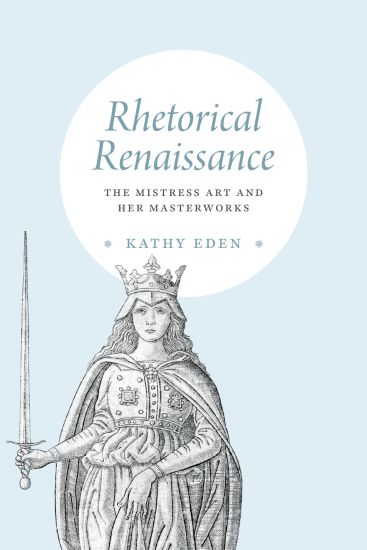
Kathy Eden reveals the unexplored classical rhetorical theory at the heart of iconic Renaissance literary works. Kathy Eden explores the intersection of early modern literary theory and practice. She considers the rebirth of the rhetorical art—resulting from the rediscovery of complete manuscripts of high-profile ancient texts about rhetoric by Plato, Aristotle, Cicero, Quintilian, and Tacitus, all unavailable before the early fifteenth century—and the impact of this art on early modern European literary production. This profound influence of key principles and practices on the most widely taught early modern literary texts remains largely and surprisingly unexplored. Devoting four chapters to these practices—on status, refutation, similitude, and style—Eden connects the architecture of the most widely read classical rhetorical manuals to the structures of such major Renaissance works as Petrarch’s Secret, Castiglione’s Book of the Courtier, Erasmus’s Antibarbarians and Ciceronianus, and Montaigne’s Essays. Eden concludes by showing how these rhetorical practices were understood to work together to form a literary masterwork, with important implications for how we read these texts today.
Rhetorical Renaissance

Rhetorical Renaissance

Kathy Eden

THE UNIVERSITY OF CHICAGO PRESS
2023
nidottu
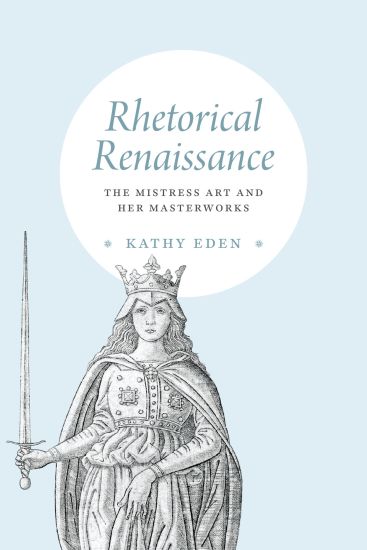
Kathy Eden reveals the unexplored classical rhetorical theory at the heart of iconic Renaissance literary works. Kathy Eden explores the intersection of early modern literary theory and practice. She considers the rebirth of the rhetorical art—resulting from the rediscovery of complete manuscripts of high-profile ancient texts about rhetoric by Plato, Aristotle, Cicero, Quintilian, and Tacitus, all unavailable before the early fifteenth century—and the impact of this art on early modern European literary production. This profound influence of key principles and practices on the most widely taught early modern literary texts remains largely and surprisingly unexplored. Devoting four chapters to these practices—on status, refutation, similitude, and style—Eden connects the architecture of the most widely read classical rhetorical manuals to the structures of such major Renaissance works as Petrarch’s Secret, Castiglione’s Book of the Courtier, Erasmus’s Antibarbarians and Ciceronianus, and Montaigne’s Essays. Eden concludes by showing how these rhetorical practices were understood to work together to form a literary masterwork, with important implications for how we read these texts today.
The Renaissance Rediscovery of Intimacy

The Renaissance Rediscovery of Intimacy

Kathy Eden

University of Chicago Press
2017
nidottu
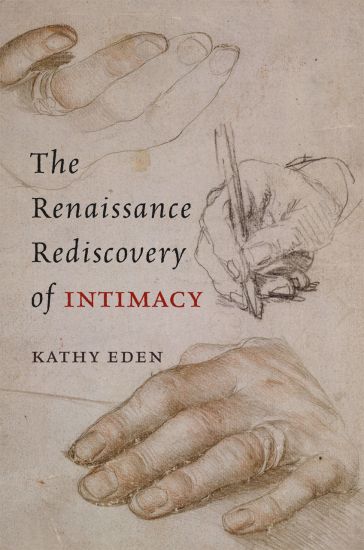
In 1345, when Petrarch recovered a lost collection of letters from Cicero to his best friend Atticus, he discovered an intimate Cicero, a man very different from either the well-known orator of the Roman forum or the measured spokesman for the ancient schools of philosophy. It was Petrarch's encounter with this previously unknown Cicero and his letters that Kathy Eden argues fundamentally changed the way Europeans from the fourteenth through the sixteenth centuries were expected to read and write. The Renaissance Rediscovery of Intimacy explores the way ancient epistolary theory and practice were understood and imitated in the European Renaissance.Eden draws chiefly upon Aristotle, Cicero, and Seneca but also upon Plato, Demetrius, Quintilian, and many others to show how the classical genre of the "familiar" letter emerged centuries later in the intimate styles of Petrarch, Erasmus, and Montaigne. Along the way, she reveals how the complex concept of intimacy in the Renaissance leveraging the legal, affective, and stylistic dimensions of its prehistory in antiquity pervades the literary production and reception of the period and sets the course for much that is modern in the literature of subsequent centuries. Eden's important study will interest students and scholars in a number of areas, including classical, Renaissance, and early modern studies; comparative literature; and the history of reading, rhetoric, and writing.
Poetic and Legal Fiction in the Aristotelian Tradition

Poetic and Legal Fiction in the Aristotelian Tradition

Kathy Eden

Princeton University Press
2016
sidottu
When Philip Sidney defends poetry by defending the methods used by poets and lawyers alike, he relies on the traditional association between fiction and legal procedure--an association that begins with Aristotle. In this study Kathy Eden offers a new understanding of this tradition, from its origins in Aristotle's Poetics and De Anima, through its development in the psychological and rhetorical theory of late antiquity and the Middle Ages, to its culmination in the literary theory of the Renaissance. Originally published in 1986. The Princeton Legacy Library uses the latest print-on-demand technology to again make available previously out-of-print books from the distinguished backlist of Princeton University Press. These editions preserve the original texts of these important books while presenting them in durable paperback and hardcover editions. The goal of the Princeton Legacy Library is to vastly increase access to the rich scholarly heritage found in the thousands of books published by Princeton University Press since its founding in 1905.
Poetic and Legal Fiction in the Aristotelian Tradition

Poetic and Legal Fiction in the Aristotelian Tradition

Kathy Eden

Princeton University Press
2014
pokkari
When Philip Sidney defends poetry by defending the methods used by poets and lawyers alike, he relies on the traditional association between fiction and legal procedure--an association that begins with Aristotle. In this study Kathy Eden offers a new understanding of this tradition, from its origins in Aristotle's Poetics and De Anima, through its development in the psychological and rhetorical theory of late antiquity and the Middle Ages, to its culmination in the literary theory of the Renaissance. Originally published in 1986. The Princeton Legacy Library uses the latest print-on-demand technology to again make available previously out-of-print books from the distinguished backlist of Princeton University Press. These editions preserve the original texts of these important books while presenting them in durable paperback and hardcover editions. The goal of the Princeton Legacy Library is to vastly increase access to the rich scholarly heritage found in the thousands of books published by Princeton University Press since its founding in 1905.
The Renaissance Rediscovery of Intimacy

The Renaissance Rediscovery of Intimacy

Kathy Eden

University of Chicago Press
2012
sidottu
In 1345, when Petrarch recovered a lost collection of letters from Cicero to his best friend, Atticus, he discovered an intimate Cicero, a man very different from either the well-known orator of the Roman forum or the measured spokesman for the ancient schools of philosophy. It was Petrarch's encounter with this previously unknown Cicero and his letters that Kathy Eden argues fundamentally changed the way Europeans from the fourteenth through the sixteenth centuries were expected to read and write. The "Renaissance Rediscovery of Intimacy" explores the way ancient epistolary theory and practice were understood and imitated in the European Renaissance. Eden draws chiefly upon Aristotle, Cicero, and Seneca - but also upon Plato, Demetrius, Quintilian, and many others - to show how the classical genre of the "familiar" letter emerged centuries later in the intimate styles of Petrarch, Erasmus, and Montaigne. Along the way, she reveals how the complex concept of intimacy in the Renaissance - leveraging the legal, affective, and stylistic dimensions of its prehistory in antiquity - pervades the literary production and reception of the period and sets the course for much that is modern in the literature of subsequent centuries. Eden's important study will interest students and scholars in a number of areas, including classical, Renaissance, and early modern studies; comparative literature; and the history of reading, rhetoric, and writing.
Hermeneutics and the Rhetorical Tradition

Hermeneutics and the Rhetorical Tradition

Kathy Eden

Yale University Press
2005
pokkari
This book poses an eloquent challenge to the common conception of the hermeneutical tradition as a purely modern German specialty. Kathy Eden traces a continuous tradition of interpretation from Republican Rome to Reformation Europe, arguing that the historical grounding of modern hermeneutics is in the ancient tradition of rhetoric.
Friends Hold All Things in Common

Friends Hold All Things in Common

Kathy Eden

Yale University Press
2001
sidottu
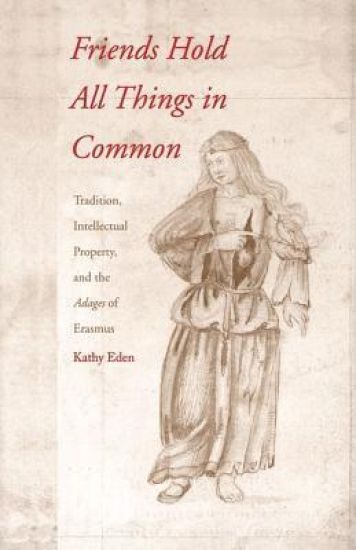
Erasmus’ Adages—a vast collection of the proverbial wisdom of Greek and Roman antiquity—was published in 1508 and became one of the most influential works of the Renaissance. It also marked a turning point in the history of Western thinking about literary property. At once a singularly successful commercial product of the new printing industry and a repository of intellectual wealth, the Adages looks ahead to the development of copyright and back to an ancient philosophical tradition that ideas should be universally shared in the spirit of friendship.In this elegant and tightly argued book, Kathy Eden focuses on both the commitment to friendship and common property that Erasmus shares with his favorite philosophers—Pythagoras, Plato, and Christ—and the early history of private property that gradually transforms European attitudes concerning the right to copy. In the process she accounts for the peculiar shape of Erasmus’ collection of more than 3,000 proverbs and provides insightful readings of such ancient philosophical and religious thinkers as Pythagoras, Plato, Aristotle, Cicero, Iamblichus, Tertullian, Basil, Jerome, and Augustine.