Kirjojen hintavertailu. Mukana 12 578 675 kirjaa ja 12 kauppaa.

Kirjailija

Kati Ihnat

Kirjat ja teokset yhdessä paikassa: 3 kirjaa, julkaisuja vuosilta 2016-2025, suosituimpien joukossa Mother of Mercy, Bane of the Jews. Vertaile teosten hintoja ja tarkista saatavuus suomalaisista kirjakaupoista.

3 kirjaa

Kirjojen julkaisuhaarukka 2016-2025.

Mother of Mercy, Bane of the Jews

Mother of Mercy, Bane of the Jews

Kati Ihnat

PRINCETON UNIVERSITY PRESS
2016
sidottu
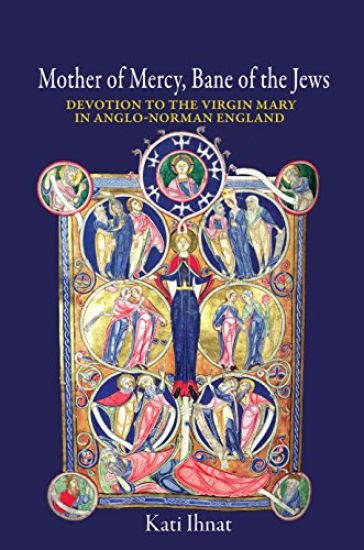
Mother of Mercy, Bane of the Jews explores a key moment in the rise of the cult of the Virgin Mary and the way the Jews became central to her story. Benedictine monks in England at the turn of the twelfth century developed many innovative ways to venerate Mary as the most powerful saintly intercessor. They sought her mercy on a weekly and daily basis with extensive liturgical practices, commemorated additional moments of her life on special feast days, and praised her above all other human beings with new doctrines that claimed her Immaculate Conception and bodily Assumption. They also collected hundreds of stories about the miracles Mary performed for her followers in what became one of the most popular devotional literary genres of the Middle Ages. In all these sources, but especially the miracle stories, the figure of the Jew appears in an important role as Mary's enemy. Drawing from theological and legendary traditions dating back to early Christianity, monks revived the idea that Jews violently opposed the virgin mother of God; the goal of the monks was to contrast the veneration they thought Mary deserved with the resistance of the Jews. Kati Ihnat argues that the imagined antagonism of the Jews toward Mary came to serve an essential purpose in encouraging Christian devotion to her as merciful mother and heavenly Queen. Through an examination of miracles, sermons, liturgy, and theology, Mother of Mercy, Bane of the Jews reveals how English monks helped to establish an enduring rivalry between Mary and the Jews, in consolidating her as the most popular saint of the Middle Ages and in making devotion to her a foundational marker of Christian identity.
Understanding the Old Hispanic Office

Understanding the Old Hispanic Office

Emma Hornby; Kati Ihnat; Rebecca Maloy; Raquel Rojo Carrillo

Cambridge University Press
2025
pokkari
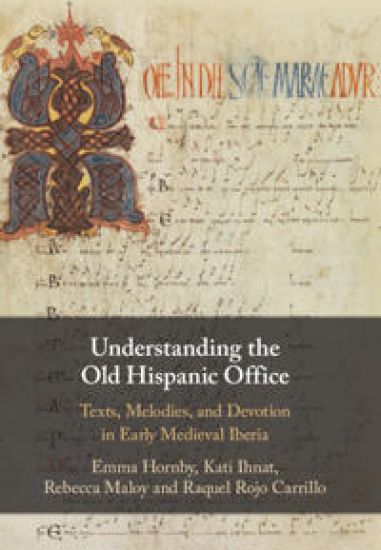
Based on highly original archival and palaeographical research, this is the first methodological and factual primer in English on the distinctive liturgical tradition of early medieval Spain. It provides clear and approachable blueprints for future work on the description and analysis (musical, theological and cultural) of this and other liturgies. For non-specialists, the authors introduce the main features of Old Hispanic liturgy, its manuscripts, its services and its liturgical genres. For specialists, they model a variety of ways to work with the Old Hispanic materials in depth, incorporating notational, musical, theological and historical perspectives. For those interested in musical notation, the book lays out a method for working with unpitched neumes, with illustrative results, that will inspire and challenge others working on monophonic chant. For historians and liturgists, the texts and melodies are analysed in combination with the theological context that informed their creation.
Understanding the Old Hispanic Office

Understanding the Old Hispanic Office

Emma Hornby; Kati Ihnat; Rebecca Maloy; Raquel Rojo Carrillo

Cambridge University Press
2022
sidottu
Based on highly original archival and palaeographical research, this is the first methodological and factual primer in English on the distinctive liturgical tradition of early medieval Spain. It provides clear and approachable blueprints for future work on the description and analysis (musical, theological and cultural) of this and other liturgies. For non-specialists, the authors introduce the main features of Old Hispanic liturgy, its manuscripts, its services and its liturgical genres. For specialists, they model a variety of ways to work with the Old Hispanic materials in depth, incorporating notational, musical, theological and historical perspectives. For those interested in musical notation, the book lays out a method for working with unpitched neumes, with illustrative results, that will inspire and challenge others working on monophonic chant. For historians and liturgists, the texts and melodies are analysed in combination with the theological context that informed their creation.