Kirjojen hintavertailu. Mukana 12 595 353 kirjaa ja 12 kauppaa.
Kirjailija
Katie Featherstone
Kirjat ja teokset yhdessä paikassa: 12 kirjaa, julkaisuja vuosilta 2005-2026, suosituimpien joukossa Walking Loch Lomond and the Trossachs. Vertaile teosten hintoja ja tarkista saatavuus suomalaisista kirjakaupoista.
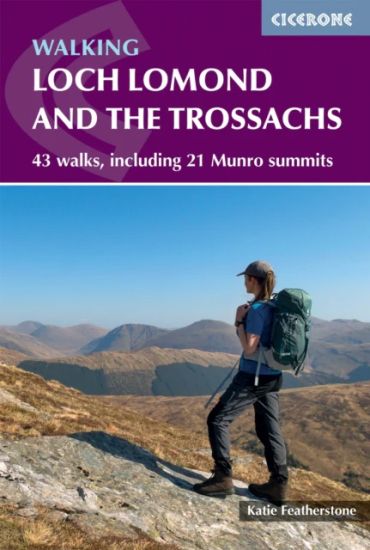
A guidebook to 43 walks in Loch Lomond and the Trossachs National Park. From low-level short circuits to demanding mountain routes, there is something for walkers of all fitness levels and experience in this Scottish National Park. The walks range in length from 3 to 26km (2–16 miles) and cover all 21 Munros in the region as well as a collection of its finest Corbetts and smaller hills. 1:50,000 OS maps included for each walk GPX routes available to download Highlights include ascents of Ben Lui and The Cobbler Easy access from Edinburgh and Glasgow Public transport and parking options given for each walk
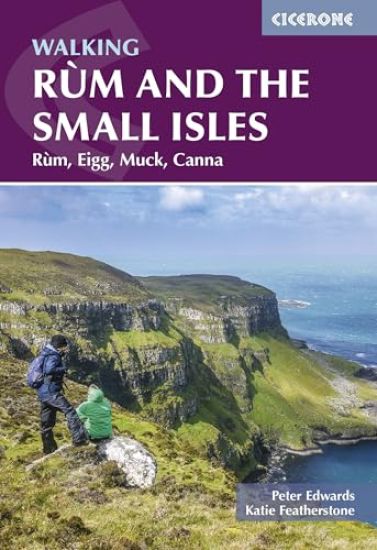
Guidebook to Rum, Eigg, Muck and Canna with 25 coastal and mountain routes ranging from short rambles to an epic three-day, 25-mile (41km) round of the coast of Rum. The wild, rugged and beautiful islands of the Small Isles archipelago lie scattered off mainland Scotland’s Atlantic coast. From Rum’s towering volcanic Cuillin hills and the pitchstone crest of An Sgùrr on the Isle of Eigg to Canna’s awe-inspiring cliffs and Muck’s fascinating coastline, explore the hidden gems of the Hebrides with his essential guidebook for adventurous walkers of a range of abilities. 25 detailed routes from 2-25 miles (3-41km) with OS 1:50,000 mapping, step-by-step descriptions, information on distance, ascent, time, difficulty and terrainPractical advice on trip planning, including transport, accommodation, amenities and suggested kitFascinating background information on each island’s geology, history and wildlifeGPX routes available for download
Would you like to explore the best of Callander, Aberfoyle and the Trossachs? This guidebook covers 15 of the best short walks in the area (between 3 and 14km), including Bracklinn Falls, Callander Crags, Loch Katrine, Ben A'an, Primrose Hill and Fairy Knowe. Why choose this guidebook? Walks under three hours, plus one challenge routeEasy to follow with clear route descriptionsFacilities, parking and highlights for every routeNo specialist gear needed, walk all year roundOrdnance Survey mapping Cicerone’s Short Walks guidebooks contain everything you need to get outdoors and discover the best of an area. The routes are perfect if you’re new to walking or looking for something you can enjoy with the whole family. Let the adventures begin!
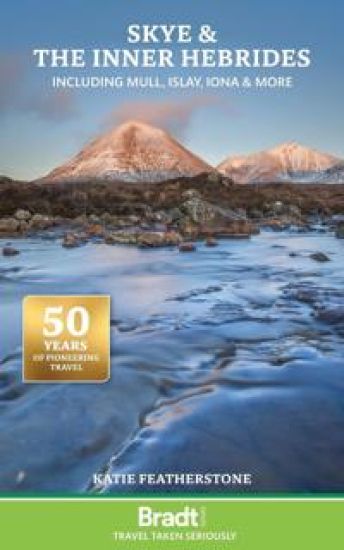
Bradt's Skye & the Inner Hebrides is the new, thoroughly updated, second edition of the most detailed standalone travel guidebook to this group of Scottish islands. Author Katie Featherstone, who loved the Inner Hebrides so much she moved there, features 20 inhabited islands, from the Isle of Skye in the north to community-owned Gigha in the south, plus the gateway towns of Oban and Mallaig on the Scottish mainland. Ransacked by Vikings, caught between warring clan chiefs and exploited by mainland nobility, the ongoing survival of Inner Hebridean communities testifies to the strength of their character. Reclaiming an identity through their native Gaelic language, ceilidh dancing and traditional industries remains a struggle, but despite only around 20,000 people living across the region, each inhabited island has a distinctive history, character and culture. With a bridge to the mainland, Skye sees the most visitors; it boasts the most varied landscape and most obvious attractions, including its Highland Games. Other, smaller islands remain relatively remote and less affected by the outside world. Pious Iona, Islay with its whisky, and Canna - where the village shop still runs via honesty box - all have their own individual charm. Beyond cultural intrigue, the Inner Hebrides are renowned for their wild places, striking a perfect balance between feeling remote and being accessible on any budget. Scotland's 'right to roam' provides infinite walking possibilities. Away from the villages, miles of intricate coastline, with sandy beaches and towering cliffs, enclose swathes of heathery moorland and hills. Hikers can enjoy Mull's dramatic rock formations or Jura's 'Paps', with only a herd of red deer or a soaring eagle for company. On Skye, you can go beachcombing in the morning, then watch the Highland Games in the afternoon. Wildlife-watchers can snorkel with basking sharks off Coll, listen for corncrakes on Tiree, admire wintering geese on Islay or spot dolphins off Mull. With extensive listings of accommodation and eating options, detailed transport advice, walking routes and packing lists, plus insights into history, myths and lifestyle, Bradt's Skye & the Inner Hebrides is the ideal companion for an enjoyable visit.
Frommer’s books aren’t written by committee, by A.I., or by travel writers who simply pop in briefly to a destination and then consider the job done. We use seasoned, locally-based journalists like Deborah Collcutt, Katie Featherstone, Samantha Priestley, Simon Willmore, and Donald Strachan, plus part-time residents like Jason Cochran and Stephen Brewer because they are all real experts. The seven of them spent months checking out all of England’s and Scotland’s best hotels, attractions, shops, wineries, and restaurants in person, so they could offer authoritative, candid reviews that will help you find the venues that suit your tastes and budget. In short, use this book and you’ll be eating in the places most tourists don’t know about, visiting top attractions at times when the crowds are at their thinnest, and patronizing the bars and clubs Brits and Scots hold dear. Inside the guide:Full-color photos and helpful maps, including a detachable foldout mapDetailed itineraries for planning your trip to suit your schedule and interests (and help you avoid lines and crowds)Candid reviews of the best restaurants, historic sights, museums, tours, shops, and experiences-and no-punches-pulled info on the ones not worth your time and moneyAccurate, up-to-date info on transportation, useful websites, telephone numbers, and moreCompelling cultural information so that you’ll better understand the history, cuisine, and traditions of both Britain and ScotlandBudget-planning help with the lowdown on prices and ways to save money, whether you’re traveling on a shoestring or in the lap of luxuryAbout Frommer's: There’s a reason Frommer’s has been the most trusted name in travel for more than 65 years. Arthur Frommer created the best-selling guide series in 1957 to help American servicemen fulfill their dreams of travel in Europe, and since then, we have published thousands of titles, become a household name, and helped millions upon millions of people realize their own dreams of seeing our planet. Travel is easy with Frommer’s.
Wandering the Wards provides a detailed and unflinching ethnographic examination of life within the contemporary hospital. It reveals the institutional and ward cultures that inform the organisation and delivery of everyday care for one of the largest populations within them: people living with dementia who require urgent unscheduled hospital care. Drawing on five years of research embedded in acute wards in the UK, the authors follow people living with dementia through their admission, shadowing hospital staff as they interact with them during and across shifts. In a major contribution to the tradition of hospital ethnography, this book provides a valuable analysis of the organisation and delivery of routine care and everyday interactions at the bedside, which reveal the powerful continuities and durability of ward cultures of care and their impacts on people living with dementia.*Shortlisted for the Foundation for the Sociology of Health and Illness Book Prize 2021*
Wandering the Wards provides a detailed and unflinching ethnographic examination of life within the contemporary hospital. It reveals the institutional and ward cultures that inform the organisation and delivery of everyday care for one of the largest populations within them: people living with dementia who require urgent unscheduled hospital care. Drawing on five years of research embedded in acute wards in the UK, the authors follow people living with dementia through their admission, shadowing hospital staff as they interact with them during and across shifts. In a major contribution to the tradition of hospital ethnography, this book provides a valuable analysis of the organisation and delivery of routine care and everyday interactions at the bedside, which reveal the powerful continuities and durability of ward cultures of care and their impacts on people living with dementia.*Shortlisted for the Foundation for the Sociology of Health and Illness Book Prize 2021*
Based on original ethnographic research with scientists, clinicians and families, this book examines Rett syndrome to illuminate more general issues concerning the construction and interpretation of diseases and syndromes. It derives from research with a specialist team of clinicians and scientists, and a series of families referred with a potential diagnosis of Rett syndrome, and documents the scientific, clinical, patient and family experiences over a three-year period. Although Rett syndrome itself is rare, it is one of some 2,000 such syndromes, and its genetic basis has recently been linked to the much broader Autism spectrum. From a sociological or anthropological point of view, it is also of considerable interest as a clinical entity that is undergoing transformation in the light of recent post-genomic research. Traditionally, such syndromes have been diagnosed clinically, but increasingly genetic technologies are having an impact on the diagnosis, description and classification of conditions. Rett Syndrome is thus a key exemplar of the implications of genetic medicine that are far-reaching and extend well beyond this particular syndrome.
Based on original ethnographic research with scientists, clinicians and families, this book examines Rett syndrome to illuminate more general issues concerning the construction and interpretation of diseases and syndromes. It derives from research with a specialist team of clinicians and scientists, and a series of families referred with a potential diagnosis of Rett syndrome, and documents the scientific, clinical, patient and family experiences over a three-year period. Although Rett syndrome itself is rare, it is one of some 2,000 such syndromes, and its genetic basis has recently been linked to the much broader Autism spectrum. From a sociological or anthropological point of view, it is also of considerable interest as a clinical entity that is undergoing transformation in the light of recent post-genomic research. Traditionally, such syndromes have been diagnosed clinically, but increasingly genetic technologies are having an impact on the diagnosis, description and classification of conditions. Rett Syndrome is thus a key exemplar of the implications of genetic medicine that are far-reaching and extend well beyond this particular syndrome.
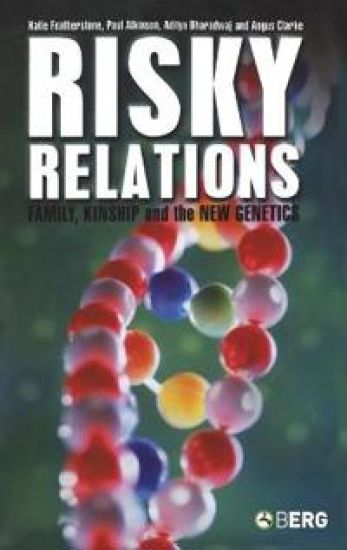
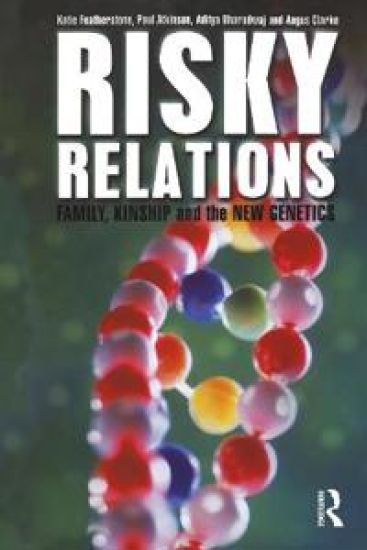
Increasingly more conditions are now being identified as having a genetic component, and controversial new genetic technologies potentially have major consequences for social relations and self-identity. How do family members respond to the information that they have a genetically transmitted disease or condition? How do they communicate (or not communicate) about their shared heritage? How do they decide who to tell and who not to tell within their family? Richly illustrated with the real experiences of individuals and families, Risky Relations is essential reading for anthropologists and sociologists of health and medicine, specialists in family and kinship, and health professionals concerned with the treatment and counselling of clients with genetic conditions. The lived impact of genetic technology on understanding within families with genetic conditions has never been systematically explored. This book fills a major gap by placing ethical, medical and social debates surrounding this charged issue firmly in context.
Increasingly more conditions are now being identified as having a genetic component, and controversial new genetic technologies potentially have major consequences for social relations and self-identity. How do family members respond to the information that they have a genetically transmitted disease or condition? How do they communicate (or not communicate) about their shared heritage? How do they decide who to tell and who not to tell within their family? Richly illustrated with the real experiences of individuals and families, Risky Relations is essential reading for anthropologists and sociologists of health and medicine, specialists in family and kinship, and health professionals concerned with the treatment and counselling of clients with genetic conditions. The lived impact of genetic technology on understanding within families with genetic conditions has never been systematically explored. This book fills a major gap by placing ethical, medical and social debates surrounding this charged issue firmly in context.