Kirjojen hintavertailu. Mukana 12 595 353 kirjaa ja 12 kauppaa.

Kirjailija

Katie Kelly

Kirjat ja teokset yhdessä paikassa: 5 kirjaa, julkaisuja vuosilta 2009-2025, suosituimpien joukossa Improving Disabled Students' Learning. Vertaile teosten hintoja ja tarkista saatavuus suomalaisista kirjakaupoista.

5 kirjaa

Kirjojen julkaisuhaarukka 2009-2025.

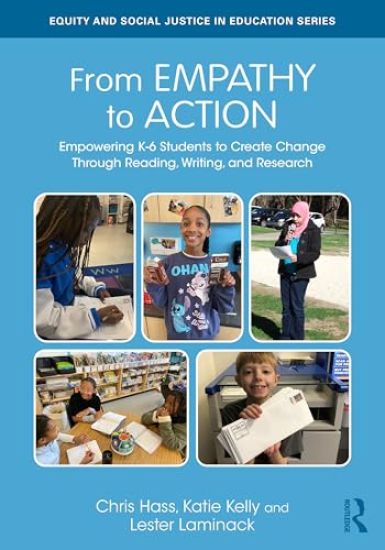
From Empathy to Action: Empowering K-6 Students to Create Change Through Reading, Writing, and Research
How can we move children from simply talking about things to learning to take action—and feeling empowered to enact change? This book shows you exactly what this can look like in an elementary class setting. It details the structures and instructional strategies classroom teachers can adopt to help their children create positive outcomes for their communities while also building identities for themselves as real agents of change.Topics include building empathy and compassion, helping students become aware of issues within their communities, creative brave environments so students can engage in productive discussions around sensitive topics, engaging students in research that answers their needs and those of their community, and supporting students into action. Classroom examples, practical tools, and student voices are featured throughout.With this book by your side, you can debunk the false deficit-based assumptions that young people aren’t ready for activism, and you’ll see what is possible when we commit ourselves to integrating civic learning into our classroom literacy instruction.
Critical Comprehension [Grades K-6]

Critical Comprehension [Grades K-6]

Katie Kelly; Lester Laminack; Vivian Maria Vasquez

SAGE PUBLICATIONS INC
2023
nidottu
Because high-level comprehension cannot be divorced from wide-ranging texts To be literate is to think through multiple perspectives, exploring diverse texts, and using the power of story to give students the life skills to discuss just about anything with critical curiosity. Critical Comprehension transforms this vital work into an accessible, three-step lesson process. Using picture books, multimodal texts, and thoughtfully framed questions, each differentiated lesson expands students’ understanding of a text through: First read: the "movie read", during which the text is read without interruptionSecond read: The teacher poses questions that probe deeper meanings through interaction with the text to summarize, name and highlight issues, analyze and infer, to make more informed decisions about what to believe and what to question.Third read: Harnessing students’ curiosities, the class revisits the text to talk back to theme, symbols, central idea, or social, cultural, historical influences at work on author and audience Popular media, classic novels, breaking news — the world’s content is ready for students to absorb. But are we ready to help them read it well? Equipped with this resource, the answer is, Yes, we are.
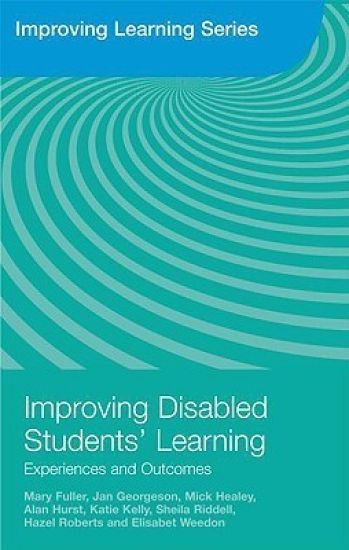
Improving Disabled Students' Learning

Improving Disabled Students' Learning

Mary Fuller; Jan Georgeson; Mick Healey; Alan Hurst; Katie Kelly; Sheila Riddell; Hazel Roberts; Elisabet Weedon

Routledge
2009
nidottu
How do disabled students feel about their time at university? What practices and policies work and what challenges do they encounter? How do they view staff and those providing learning support? This book sets out to show how disabled students experience university life today. The current generation of students is the first to move through university after the enactment of the Disability Discrimination Act, which placed responsibility on universities to create an inclusive environment for disabled students. The research on which the book is based focuses on a selected group of students with a variety of impairments, as they progress through their degree courses. On the way they encounter different styles of teaching and approaches to learning and assessment. The diversity of their views is reflected in the issues they raise: negotiating identities, dealing with transitions, encountering divergent and sometimes confusing teaching and assessment.Improving Disabled Students’ Learning goes on to ask university staff how they experience these new demands to widen participation and create more inclusive learning climates. It explores their perspectives on their roles in a changing university sector. Offering insights into the workings of universities, as seen by their central participants, its findings will be of great interest to all practitioners who teach and support disabled students, as well as campaigners for an end to discrimination. Crucially, it foregrounds the views of disabled students themselves, giving rise to a complex, contradictory and always fascinating picture of university life from students whose voices are not always heard.
Improving Disabled Students' Learning

Improving Disabled Students' Learning

Mary Fuller; Jan Georgeson; Mick Healey; Alan Hurst; Katie Kelly; Sheila Riddell; Hazel Roberts; Elisabet Weedon

Routledge
2009
sidottu
How do disabled students feel about their time at university? What practices and policies work and what challenges do they encounter? How do they view staff and those providing learning support? This book sets out to show how disabled students experience university life today. The current generation of students is the first to move through university after the enactment of the Disability Discrimination Act, which placed responsibility on universities to create an inclusive environment for disabled students. The research on which the book is based focuses on a selected group of students with a variety of impairments, as they progress through their degree courses. On the way they encounter different styles of teaching and approaches to learning and assessment. The diversity of their views is reflected in the issues they raise: negotiating identities, dealing with transitions, encountering divergent and sometimes confusing teaching and assessment.Improving Disabled Students’ Learning goes on to ask university staff how they experience these new demands to widen participation and create more inclusive learning climates. It explores their perspectives on their roles in a changing university sector. Offering insights into the workings of universities, as seen by their central participants, its findings will be of great interest to all practitioners who teach and support disabled students, as well as campaigners for an end to discrimination. Crucially, it foregrounds the views of disabled students themselves, giving rise to a complex, contradictory and always fascinating picture of university life from students whose voices are not always heard.