Kirjojen hintavertailu. Mukana 12 595 353 kirjaa ja 12 kauppaa.

Kirjailija

Katie Wakeford

Kirjat ja teokset yhdessä paikassa: 2 kirjaa, julkaisuja vuosilta 2008-2011, suosituimpien joukossa Expanding Architecture. Vertaile teosten hintoja ja tarkista saatavuus suomalaisista kirjakaupoista.

2 kirjaa

Kirjojen julkaisuhaarukka 2008-2011.

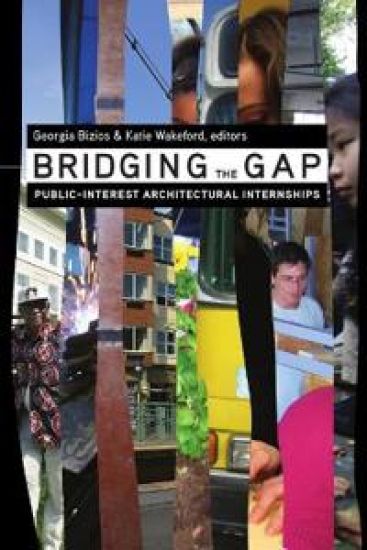
Bridging the Gap

Bridging the Gap

Georgia Bizios; Katie Wakeford

Lulu.com
2011
pokkari
Bridging the Gap, a collection of 19 essays, brings together the best in current practice and thinking regarding public-interest architectural internship and advocates for new models that will have the power to profoundly change the architectural profession and our communities. The collection is intended to fuel a vibrant conversation in the hope of inspiring the creation of new public-interest internships and informing the ongoing updates to the Intern Development Program (IDP). The advantages to developing new public-service internships are clear. Let's get started Essay Contributors: Victoria Beach, Thomas Fisher, Marvin Malecha, Michael Pyatok, Jess Zimbabwe, Andrew Caruso, Georgia Bizios, Katie Wakeford, Stephen Luoni, Len Charney, Gabe Bergeron, John Quale, David Perkes, Christina Calabrese, Diane Georgopulos, Katherine Williams, Esther Yang, Bryan Bell, Haley Loram, Luke Perry, Luke Clark Tyler, Sam Valentine

Expanding Architecture

Expanding Architecture

Katie Wakeford

Distributed Art Publishers
2008
nidottu
Expanding Architecture presents a new generation of creative design carried out in the service of the greater public and the greater good. Questioning how design can improve daily lives, editors Bryan Bell and Katie Wakeford map an emerging geography of architectural activism – or ‘public-interest architecture’ – that might function akin to public interest law or medicine by expanding architecture’s all-too-often elite client base. With 30 essays by practising architects and designers, urban and community planners, historians, landscape architects, environmental designers and members of other fields, this volume is full of work from around the world that illustrates the ways in which design can address issues of social justice, allow individuals and communities to plan and improve their own lives and serve a much larger percentage of the population than it has in the past. This new inclusionary practice must define new services and new processes, and these are illuminated in the generously illustrated texts as well. Examining evolving notions of socially conscious practice, this book serves as an essential guide for designers who are willing to take on the social, economic and environmental challenges we face today.