Kirjojen hintavertailu. Mukana 12 595 353 kirjaa ja 12 kauppaa.

Kirjailija

Katrin Hohl

Kirjat ja teokset yhdessä paikassa: 4 kirjaa, julkaisuja vuosilta 2012-2024, suosituimpien joukossa Just Authority?. Vertaile teosten hintoja ja tarkista saatavuus suomalaisista kirjakaupoista.

4 kirjaa

Kirjojen julkaisuhaarukka 2012-2024.

Policing Rape

Policing Rape

Katrin Hohl; Elizabeth A. Stanko

TAYLOR FRANCIS LTD
2024
sidottu
The policing of rape is in permacrisis. This book addresses the question of why police investigations continue to fail most rape victim-survivors and puts forward a framework for what policing can do to change this. Low conviction rates and poor victim-survivor experiences are the hallmarks of the rape justice gap. Three decades of research, policy, and legal changes have tweaked rape investigations to alleviate some of their ills; however, for the majority of victim-survivors, the process remains gruelling. Police forces are notoriously resistant to reform, even in the face of rapidly declining public trust. The starting point of this book is the recognition that if we want profound change in policing, we must try something new. To do so, the authors move from asking "What is it about rape that makes it so difficult for police to investigate it well?" to asking "What is it about the police that makes it so difficult for police to investigate rape well?". Policing Rape sets out a practice-oriented theoretical framework for radically and sustainably transforming rape investigations, rape prevention, and the quality of officer engagement with victim-survivors. The authors reflect on the journey of putting this framework into practice within Operation Soteria Bluestone as a step on the path towards a radical transformation of rape policing. This book is essential reading for all those looking to understand and improve the policing of rape.
Policing Rape

Policing Rape

Katrin Hohl; Elizabeth A. Stanko

TAYLOR FRANCIS LTD
2024
nidottu
The policing of rape is in permacrisis. This book addresses the question of why police investigations continue to fail most rape victim-survivors and puts forward a framework for what policing can do to change this. Low conviction rates and poor victim-survivor experiences are the hallmarks of the rape justice gap. Three decades of research, policy, and legal changes have tweaked rape investigations to alleviate some of their ills; however, for the majority of victim-survivors, the process remains gruelling. Police forces are notoriously resistant to reform, even in the face of rapidly declining public trust. The starting point of this book is the recognition that if we want profound change in policing, we must try something new. To do so, the authors move from asking "What is it about rape that makes it so difficult for police to investigate it well?" to asking "What is it about the police that makes it so difficult for police to investigate rape well?". Policing Rape sets out a practice-oriented theoretical framework for radically and sustainably transforming rape investigations, rape prevention, and the quality of officer engagement with victim-survivors. The authors reflect on the journey of putting this framework into practice within Operation Soteria Bluestone as a step on the path towards a radical transformation of rape policing. This book is essential reading for all those looking to understand and improve the policing of rape.
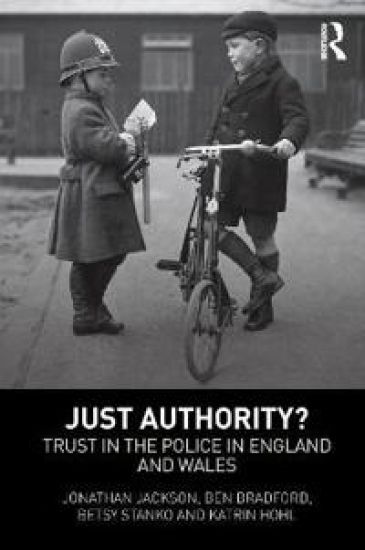
Just Authority?

Just Authority?

Jonathan Jackson; Ben Bradford; Betsy Stanko; Katrin Hohl

Focal Press
2014
nidottu
What does it mean to trust the police? What makes the police legitimate in the eyes of the policed? What builds trust, legitimacy and cooperation, and what undermines the bond between police and the public? These questions are central to current debates concerning the relationship between the British police and the public it serves. Yet, in the context of British policing they are seldom asked explicitly, still less examined in depth. Drawing on psychological and sociological explanatory paradigms, Just Authority? presents a cutting-edge empirical study into public trust, police legitimacy, and people’s readiness to cooperate with officers. It represents, first, the most detailed test to date of Tom Tyler’s procedural justice model attempted outside the United States. Second, it uncovers the social ecology of trust and legitimacy and, third, it describes the relationships between trust, legitimacy and cooperation.This book contains many important lessons for practitioners, policy-makers and academics. As elsewhere the dominant vision of policing in Great Britain continues to stress instrumental effectiveness: the ‘fight against crime’ will be won by pro-active and even aggressive policing. In line with work from the United States and elsewhere, Just Authority? casts significant doubt on such claims. When people find policing to be unfair, disrespectful and careless of human dignity, not only is trust lost, legitimacy is also damaged and cooperation is withdrawn as a result. Absent such public support, the job of the police is made harder and the avowed objectives of less crime and disorder placed ever further from reach.
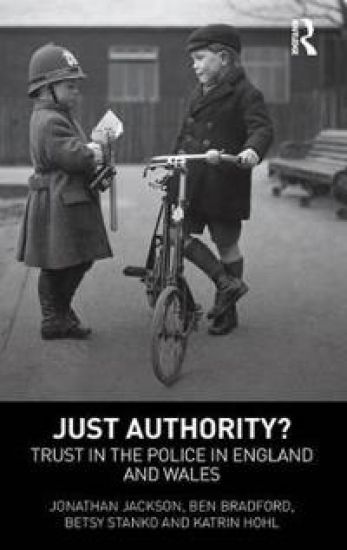
Just Authority?

Just Authority?

Jonathan Jackson; Ben Bradford; Betsy Stanko; Katrin Hohl

Willan Publishing
2012
sidottu
What does it mean to trust the police? What makes the police legitimate in the eyes of the policed? What builds trust, legitimacy and cooperation, and what undermines the bond between police and the public? These questions are central to current debates concerning the relationship between the British police and the public it serves. Yet, in the context of British policing they are seldom asked explicitly, still less examined in depth. Drawing on psychological and sociological explanatory paradigms, Just Authority? presents a cutting-edge empirical study into public trust, police legitimacy, and people’s readiness to cooperate with officers. It represents, first, the most detailed test to date of Tom Tyler’s procedural justice model attempted outside the United States. Second, it uncovers the social ecology of trust and legitimacy and, third, it describes the relationships between trust, legitimacy and cooperation.This book contains many important lessons for practitioners, policy-makers and academics. As elsewhere the dominant vision of policing in Great Britain continues to stress instrumental effectiveness: the ‘fight against crime’ will be won by pro-active and even aggressive policing. In line with work from the United States and elsewhere, Just Authority? casts significant doubt on such claims. When people find policing to be unfair, disrespectful and careless of human dignity, not only is trust lost, legitimacy is also damaged and cooperation is withdrawn as a result. Absent such public support, the job of the police is made harder and the avowed objectives of less crime and disorder placed ever further from reach.