Kirjojen hintavertailu. Mukana 12 546 146 kirjaa ja 12 kauppaa.

Kirjailija

Katrina Clifford

Kirjat ja teokset yhdessä paikassa: 3 kirjaa, julkaisuja vuosilta 2017-2022, suosituimpien joukossa Policing, Mental Illness and Media. Vertaile teosten hintoja ja tarkista saatavuus suomalaisista kirjakaupoista.

3 kirjaa

Kirjojen julkaisuhaarukka 2017-2022.

Policing, Mental Illness and Media

Policing, Mental Illness and Media

Katrina Clifford

Springer Nature Switzerland AG
2022
nidottu
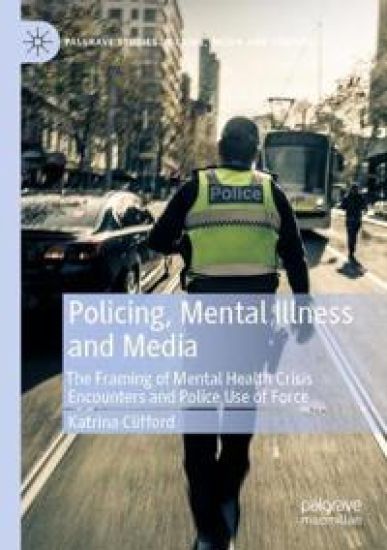
This book examines the complexities of the relationship between policing and mental health – in Australia especially – including the circumstances that lead to police use of force, and the ways in which news media typically report deaths resulting from police contact with people in mental health crisis. When a vulnerable member of society is killed by the police, it is only natural that questions are asked about the behaviour and actions of those involved. Police are, after all, meant to be the ‘protectors of society’. By virtue of these circumstances, fatal encounters between police and mentally ill individuals in crisis often attract heightened media and legal attention, as well as public debate. Drawing together research interviews and extensive case study analysis, the book explores the conditions for the production of this news media coverage, the ways in which it can shape public perceptions of police-involved mental health crisis interventions, and the potential impactson those involved in and affected by such events. The implications for police agencies are also considered in the context of how they respond to vulnerable people in the community, while being in the media spotlight. This book will appeal to students, scholars and practitioners in journalism, media studies, policing, criminology, sociology, and mental health as well as those interested in learning about the relationship between policing, mental illness, and media representation.
Policing, Mental Illness and Media

Policing, Mental Illness and Media

Katrina Clifford

Springer Nature Switzerland AG
2021
sidottu
This book examines the complexities of the relationship between policing and mental health – in Australia especially – including the circumstances that lead to police use of force, and the ways in which news media typically report deaths resulting from police contact with people in mental health crisis. When a vulnerable member of society is killed by the police, it is only natural that questions are asked about the behaviour and actions of those involved. Police are, after all, meant to be the ‘protectors of society’. By virtue of these circumstances, fatal encounters between police and mentally ill individuals in crisis often attract heightened media and legal attention, as well as public debate. Drawing together research interviews and extensive case study analysis, the book explores the conditions for the production of this news media coverage, the ways in which it can shape public perceptions of police-involved mental health crisis interventions, and the potential impactson those involved in and affected by such events. The implications for police agencies are also considered in the context of how they respond to vulnerable people in the community, while being in the media spotlight. This book will appeal to students, scholars and practitioners in journalism, media studies, policing, criminology, sociology, and mental health as well as those interested in learning about the relationship between policing, mental illness, and media representation.
Media and Crime

Media and Crime

Katrina Clifford; Rob White

OUP Australia and New Zealand
2017
nidottu
Public knowledge of crime and criminal justice often develops through the media to the extent that, for some people, the media may be their sole source of information on these issues and systems. The role that the media plays in shaping public perceptions of crime and criminality, and framing debates about criminal justice and responses to crime, is therefore undeniable. For these reasons, questions of media influence have become a prominent aspect of criminological theorising and inquiry. Media and Crime offers a new and innovative approach to these debates and analysis by combining the skills and expertise of journalism and media studies with criminological knowledge to critically interrogate the nexus between the media and crime, and the linkages between process, practice and representation. Wide-ranging in subject matter, and international in scope, it provides a theoretically informed analysis of media constructions of crime, criminality and criminal justice. Media and Crime will be of interest to scholars, practitioners and students of journalism, media studies, criminology, sociology, and the general reader.