Kirjojen hintavertailu. Mukana 12 595 353 kirjaa ja 12 kauppaa.

Kirjailija

Kavita Rai

Kirjat ja teokset yhdessä paikassa: 3 kirjaa, julkaisuja vuosilta 2005-2013, suosituimpien joukossa Energy For Rural Livelihoods. Vertaile teosten hintoja ja tarkista saatavuus suomalaisista kirjakaupoista.

3 kirjaa

Kirjojen julkaisuhaarukka 2005-2013.

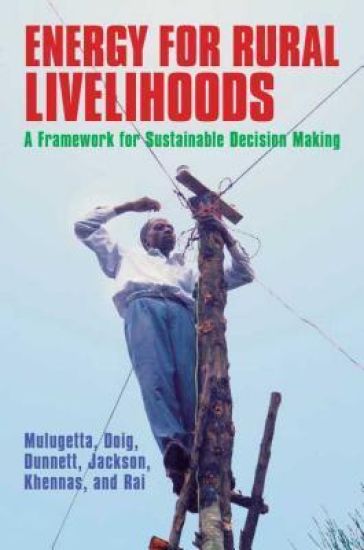
Energy For Rural Livelihoods

Energy For Rural Livelihoods

Alison Doig; Yacob Mulugetta; Simon Dunnett; Tim Jackson; Smail Khennas; Kavita Rai

Practical Action Publishing
2005
nidottu
This manual presents a range of analytical techniques to assist in evaluating and comparing energy technology options from a variety of important perspectives. The work distils experiences and draws lessons from previous rural energy activities, and presents a variety of relevant analysis tools that will contribute towards upgrading current decision making practices in rural energy development. The manual demonstrates how integrating technical, economic, social, institutional and environmental criteria forms the basis of 'good practice'in rural energy planning and policy development. Analytical techniques are described and illustrated with the help of case studies and information acquired from various parts of the developing world, in order to show how the techniques can be applied in real situations. The primary audience for the manual consists of energy analysts, policy makers, development workers and researchers in developing countries. The book will also be useful to academics interested in development issues, energy industry experts and decision makers at the local or government level involved in making decisions about energy and development policies.
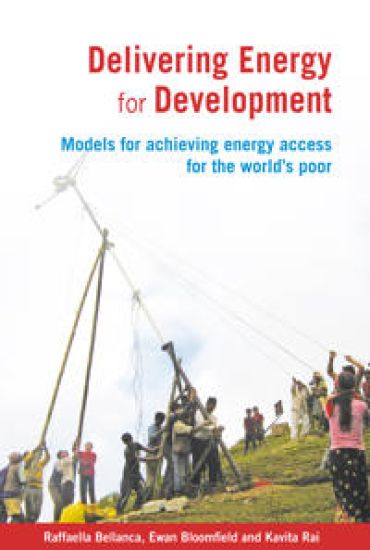
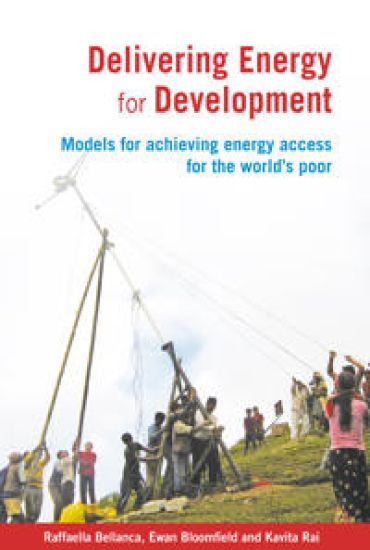
Delivering Energy for Development

Delivering Energy for Development

Raffaella Bellanca; Ewan Bloomfield; Kavita Rai

Practical Action Publishing
2013
nidottu
At the outset of 2012 - the United Nations' International Year of Sustainable Energy for All - access to modern energy services remains low or non-existent for approximately ** billion of the world's population. Energy practitioners worldwide are facing the challenge of delivering access to modern energy services where poverty and lack of infrastructure makes it most difficult. Rising awareness about climatic change and the notion of energy security for future generations are also being channelled into the debate. This book aims to provide an overview of existing energy delivery systems, as well as a guide to practitioners on the key issues integral to the success or failure of energy programmes in middle- and low-income countries. The authors consider how markets develop, which services are pivotal in supporting the process, and what overarching factors enable change to take place. The aim of the book is to provide practical guidance on how to replicate and scale up the successful delivery of energy to the very poor and is expected to be of use for energy development policy makers and practitioners.
Delivering Energy for Development

Delivering Energy for Development

Raffaella Bellanca; Ewan Bloomfield; Kavita Rai

Practical Action Publishing
2013
sidottu
At the outset of 2012 - the United Nations' International Year of Sustainable Energy for All - access to modern energy services remains low or non-existent for approximately ** billion of the world's population. Energy practitioners worldwide are facing the challenge of delivering access to modern energy services where poverty and lack of infrastructure makes it most difficult. Rising awareness about climatic change and the notion of energy security for future generations are also being channelled into the debate. This book aims to provide an overview of existing energy delivery systems, as well as a guide to practitioners on the key issues integral to the success or failure of energy programmes in middle- and low-income countries. The authors consider how markets develop, which services are pivotal in supporting the process, and what overarching factors enable change to take place. The aim of the book is to provide practical guidance on how to replicate and scale up the successful delivery of energy to the very poor and is expected to be of use for energy development policy makers and practitioners.