Kirjailija
Keith Dewhurst
Kirjat ja teokset yhdessä paikassa: 8 kirjaa, julkaisuja vuosilta 1982-2024, suosituimpien joukossa Dancing Bear. Vertaile teosten hintoja ja tarkista saatavuus suomalaisista kirjakaupoista.
8 kirjaa
Kirjojen julkaisuhaarukka 1982-2024.
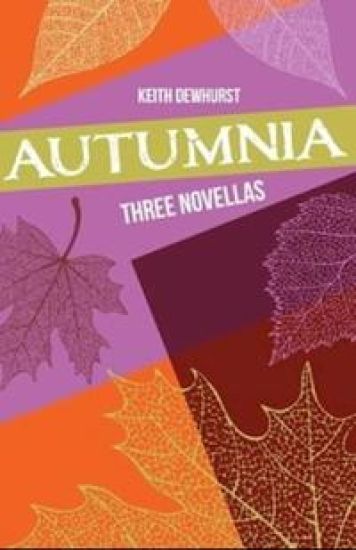
Beginning in the mid-20th Century and moving to the 21st, this collection of novellas create a vivid panorama, with a surprising parallel story about the remnants of Shakespeare's acting company as theatres are culture-cancelled in 1649.AUTUMNIA opens with a wartime raid over Germany and closes with its denouement years later. ART MOVERS follows an ex-soldier turned art mover: his van, his lover, the people he meets.AFTER traces an old writer's last days as he faces the past during the Covid pandemic.Beginning in the mid-20th Century and ending in the 21st, Keith Dewhurst's three novellas make a panorama, with a surprising parallel story about the remnants of Shakespeare's acting company as theatres are culture-cancelled in 1649.
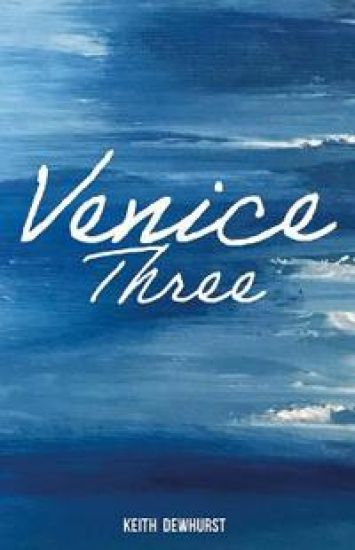
Venice: part mystery, part illusion, with its floating houses and painterly skies. Three linked novellas spanning the Fourteenth Century to the present day tell stories of treacherous crimes, hidden love and survival.A place of beauty and power, foreigners have long been drawn to the city's sinking shores. Here are stories of what they seek and find; of those who will always remain and of a Venetian exiled from the Republic, whose return implies the dark energies that created and maintained it. Through the whole weaves the story of Ana Rovigo, a noblewoman. Who is she? And what does she become?'Lords of the Night' is set in the glory days of the Republic. Sister Annunziata has become a nun to protect her family fortune; Vico Pisani is the former Lord of the Night who entrusts her with his secrets as an old man. Together their voices tell a mysterious tale of murder, intrigue and political foul play. But will Vico's story ever be truly told? 'Day Pieces'. Venice in the Eighteenth Century. Other voices resume the tales. Francisco Contaro is an impoverished noble living on a state pension and his wits; Henry Arden an English clergyman tutoring a rich mute youth on the Grand Tour; Enzo is a gondolier's son turned scaffold-boy to a great fresco painter and Ana Pavic a Balkan shipping heiress who secures an aristocratic marriage... Will the players find the answers they seek? Will the mute boy speak?'School Trip': tourist-clogged present day Venice continues to beg its questions. Apprentice chef Bastardino is working in a tourist restaurant. Teacher Marjorie spends a life-changing evening there accompanying a sixth-form trip to study Venetian art. Voices from the 1840s join. A love story with few answers, perhaps? Is this Venice teasing us still?
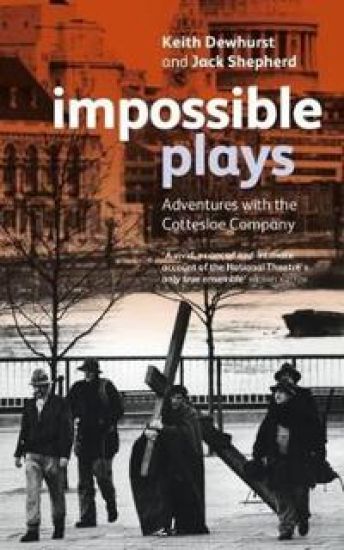
Bill Bryden's Cottesloe Company, which flourished at Peter Hall's National Theatre, was the English theatre's only true ensemble of the last thirty or so years. Impossible Plays tells the story of the company and the many actors and musicians connected to it. Co-written by Keith Dewhurst, author of eight plays for the group, and Jack Shepherd, a founder-actor, it explains the ideas behind the company's work and how the work was staged, and provides an idiosyncratic, lively and deeply personal take on the company. "The search was always to find a popular theatre, a form of theatre that would draw into it people from all backgrounds, not just the cultured and the educated." Beginning with a Royal Court Theatre Sunday night performance in 1970, the story of one company's aim to create a popular theatre form includes such milestone productions as The Mystery cycle of plays and Lark Rise to Candleford. With photographs by John Haynes, Michael Mayhew and Nobby Clark, Impossible Plays is a glorious and timely tribute to one of theatre's most innovative companies.

Flora Thompson was born in an Oxfordshire hamlet in 1876. She left school at 14 and went to work as a clerk in a small village post office until her marriage to John Thompson. She is perhaps best remembered for her semi-autobiographical trilogy which evokes, through childhood memories in the person of Laura, in a vanished world of agricultural customs and rural culture in England of the 1880s. Keith Dewhurst has adapted the trilogy into two plays "Lark Rise" which erects the first day of harvest from sunrise to sunset and, in contrast, "Candleford", which depicts a day in midwinter - to give a lively picture of typical country life of the period with music and songs. Commissioned by the National Theatre, the plays can be produced in a "promenade" style where audience and actors freely mix. With a flexible range of characters and a minimum of stage props, this play could be of value with amateur drama groups.