Kirjojen hintavertailu. Mukana 12 390 323 kirjaa ja 12 kauppaa.

Kirjailija

Keith M. Brown

Kirjat ja teokset yhdessä paikassa: 3 kirjaa, julkaisuja vuosilta 2003-2026, suosituimpien joukossa Bloodfeud in Scotland 1573-1625. Vertaile teosten hintoja ja tarkista saatavuus suomalaisista kirjakaupoista.

3 kirjaa

Kirjojen julkaisuhaarukka 2003-2026.

Bloodfeud in Scotland 1573-1625

Bloodfeud in Scotland 1573-1625

Keith M. Brown

BIRLINN GENERAL
2026
nidottu
Feuding had an effect on the history of most of Europe. Scotland provides a fascinating focus for the study of the bloodfeud because feuding survived until remarkably late there, and thus is much better documented than in other European societies. This examination of the Scottish evidence shows its relevance to the wider European community to which the Scots belonged, reveals much about the nature of the bloodfeud in general, and explores the changes in society which at last brought about its suppression. The bloodfeud has been the subject of anthropological rather than historical investigation, partly because it largely disappeared at an early stage in the development of literacy in Europe and has never been a fashionable research topic for historians. In this study of fifteenth- and sixteenth-century feud in Scotland, Keith Brown focuses on its context in society, politics and the ideology that served to uproot the tradition. The book will be of value to historians of many different cultures and periods.
An Incredible Journey

An Incredible Journey

Keith M. Brown

AuthorHouse
2011
pokkari
The book explores the role, significance, power and influence of religion in society in general, and the value and validity in the life of the individual in particular. The book helps to highlight that this monument, religion will remain with us for a long, long time. If mankind does not go to it, it will find mankind. The way it is managed is the challenge.
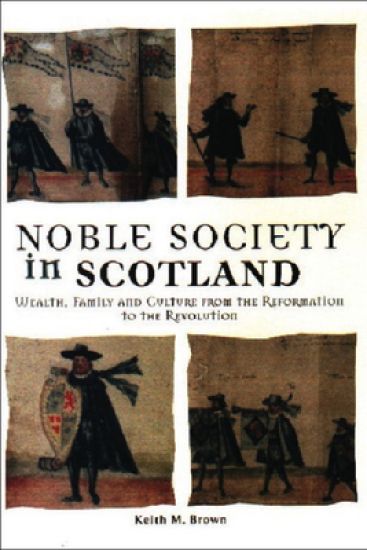
Noble Society in Scotland

Noble Society in Scotland

Keith M. Brown

Edinburgh University Press
2003
nidottu
The author draws on extensive research in the rich archives of the Scottish noble houses to demonstrate that the conventional view of the Scottish nobility is wrong. He shows that the nobility were as steeped in contemporary European debates and movements as they were rooted in local society. Far from holding back Scotland's economic and cultural development, they embraced economic change, seized financial opportunities, led the way in the pursuit of Renaissance ideals through their own learning and in the education of their children, and were partners in religious reform. Professor Brown makes extensive comparisons with the noble societies elsewhere in Europe to reveal how the differences and above all the similarities between the lives of Scottish nobles and their peers abroad.