Kirjojen hintavertailu. Mukana 12 595 353 kirjaa ja 12 kauppaa.

Kirjailija

Kengo Kuma

Kirjat ja teokset yhdessä paikassa: 11 kirjaa, julkaisuja vuosilta 2014-2026, suosituimpien joukossa OOPEAA Office for Peripheral Architecture. Vertaile teosten hintoja ja tarkista saatavuus suomalaisista kirjakaupoista.

11 kirjaa

Kirjojen julkaisuhaarukka 2014-2026.

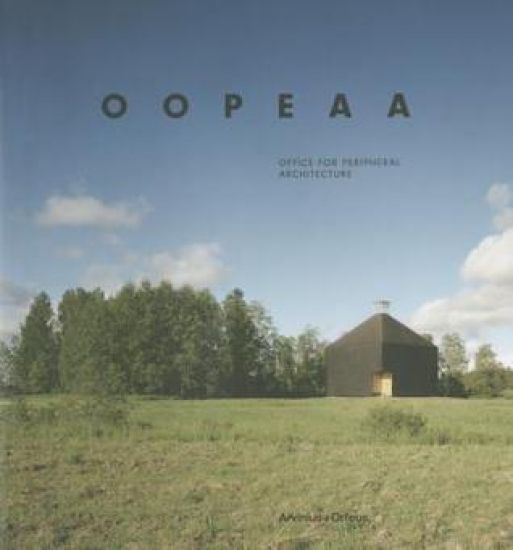
OOPEAA Office for Peripheral Architecture

OOPEAA Office for Peripheral Architecture

Michael Asgaard Andersen; Julie Cirelli; Juulia Kauste; Kengo Kuma; Tuomo Tammenpää; John E. Kroll

Arvinius+Orfeus Publishing
2014
sidottu
The story of OOPEAA began in a rural field in Finland, where the now-iconic Kärsämäki Shingle Church was built by hand by hundreds of volunteers over half a decade. In the years that followed, OOPEAA has established itself as one of Finland's leading architecture firms, one that is distinguished by a sensitivity to material and craftmanship - first under the name Lassila Hirvilammi Architects and, from 2014, as OOPEAA Office for Peripheral Architecture. In text, photographs and drawings, this book traces the office's development into one of the most innovative and exploritory architectural practices in the Nordic region today.
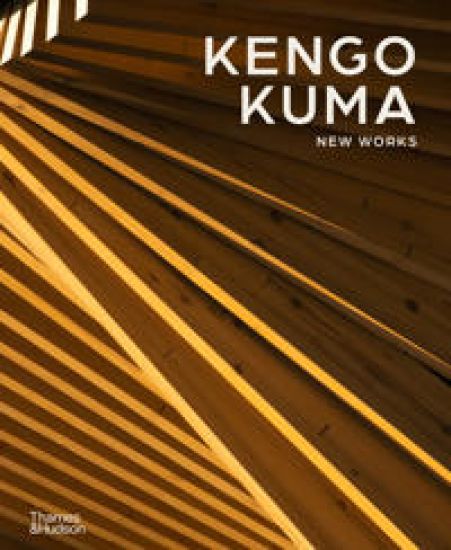
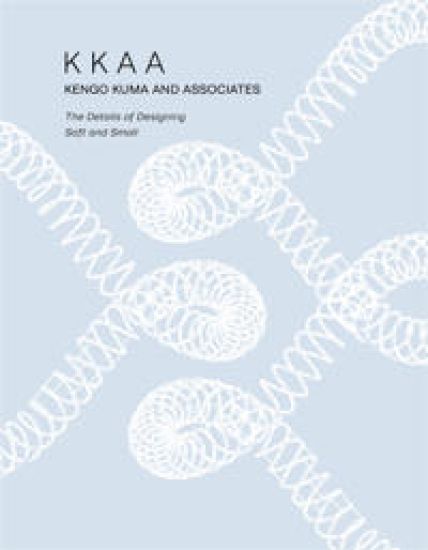
KKAA Kengo Kuma and Associates

KKAA Kengo Kuma and Associates

Kengo Kuma; Michael J. Crosbie

SCHIFFER PUBLISHING LTD
2026
sidottu
This new book on Kengo Kuma, one of the world’s most respected architects, focuses on architectural detailing throughout 38 global projects to discover his creative essence. Kuma’s gentle but commanding commentary, accompanied by hundreds of photos and diagrams, focuses on how architectural details reveal his identity across a journey of discovery. This evolution is told in six chapters—Fabric, Mineral, Green, Thatching, Bamboo, and Wood—and covers 38 projects from around the world. Each project has been carefully curated to tell specific developments in this coming-of-age story. As he explains the details of each project, readers will see more of Kengo Kuma’s creative essence throughout his process. Concepts covered here offer clarity on his perspective as an architect and include • creating softness with hard materials, • the relationship between openness and anti-volume, • and how to use geometry to mitigate the natural contours of a building site. What unfolds is an architectural vision of craft developed through the exploration of historical processes and expectations, craftsmanship, and artistic skill.
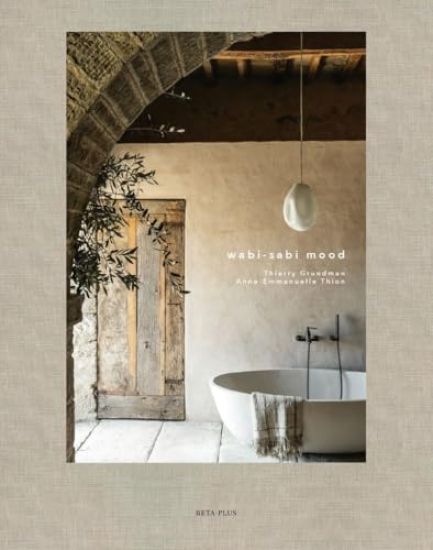
Wabi-Sabi Mood

Wabi-Sabi Mood

Thierry Grundman; Kengo Kuma

BETA-PLUS
2025
sidottu
Wabi-sabi, that ancient philosophy which embraces imperfection, lies at the very heart of Japanese traditions—both artistic and societal. Today, it is being diluted by modernity. Worse still, this timeless aesthetic—nourished by the slow passage of time and enriched by the patina of age—is being cheapened by the mass-market home décor industry. Reducing wabi-sabi to what it once was, or to a fleeting “lifestyle” trend, is to confine it within a box. From their encounter with architect Kengo Kuma, the authors have retained—and illustrate here—his vision of “modern wabi-sabi. Through their travels in India, Europe, and Morocco, they have witnessed the transcontinental ripple effect of wabi-sabi and, through this aesthetic, the subtle yet powerful influence of Japan. While journeying through the Japanese archipelago, they met with a new generation who is preserving, revealing, and carrying forward this philosophy: the new ambassadors of wabi-sabi. From a shared moment with a monk in a teahouse to a thousand quiet joys, they experienced the wabi-sabi feeling… They summon it here, and invite you to experience it too. Part travel journal, part photo book, and part collection of testimonies—Anne-Emmanuelle Thion, a nomadic photographer, and Thierry Grundman, a traveling antiques dealer and founder of Atmosphère d’Ailleurs and the Wabi-Sabi Lab—offer a cross-cultural, contemporary vision of wabi-sabi through encounters with those who embody it today. Text in English and French.
Point Line Plane

Point Line Plane

Kengo Kuma

THAMES HUDSON LTD
2024
sidottu
A collection of writings that sets out Kengo Kuma’s theories of architecture, but also a left field critique of where the architecture world finds itself today. Kengo Kuma is one of Japan’s leading architects and Professor Emeritus at the University of Tokyo. Widely known as a prolific writer and philosopher, he proposes architecture that opens up new relationships between nature, technology and human beings. Through a series of thought-provoking essays, he unveils his vision of architecture as a dynamic interplay between tradition and innovation, critiquing the megastructures and capitalist influences of the 20th century and challenging readers to reconsider the role of architecture in shaping our world. Drawing from diverse disciplines including art history, philosophy and literature, Kuma crafts a narrative that transcends the boundaries of traditional architectural theory, presenting a compelling manifesto for a new era of design – one that dismantles hard concrete volumes into points, lines and planes that celebrate the simplicity and sustainability of human connection.
Kengo Kuma: My Life as an Architect in Tokyo
It was around Kengo Kuma’s tenth birthday that he came into contact with Kenzo Tange’s fishlike Yoyogi National Gymnasium, completed for the 1964 Tokyo Olympics, and determined that he would become an architect. In the intervening five or so decades, he has become one of the world’s most fascinating and influential architects. Kuma is known throughout the world for his formally daring and materially expressive buildings, recognized for his inventive use of traditional materials, and his use of innovative materials in vernacular forms. He is perhaps less known for his work inside his native Japan, where he works actively towards the preservation of ancient building techniques and craft. A keen curiosity for all forms of building and a wealth of knowledge about the world acquired through expansive travels make Kuma a unique commentator on Tokyo’s dynamic architecture. Through twenty-five stories, this intimate little publication paints a picture of how a building inspired a boy to become an architect, how Japan’s national heritage helped form his thinking, and how his professional experience has made him one of the most successful architects of his generation. This book contains something for everyone: design acumen, insights into Japanese culture, a tour of Tokyo and the heartfelt commitment to producing buildings that have meaning and longevity.With 41 illustrations, 21 in colour
Architecture of Defeat

Architecture of Defeat

Kengo Kuma

Routledge
2019
nidottu
Kengo Kuma, one of Japan’s leading architects, has been combining professional practice and academia for most of his career. In addition to creating many internationally recognized buildings all over the world, he has written extensively about the history and theory of architecture. Like his built work, his writings also reflect his profound personal philosophy. Architecture of Defeat is no exception. Now available in English for the first time, the book explores events and architectural trends in the twentieth and twenty-first centuries in both Japan and beyond. It brings together a collection of essays which Kuma wrote after disasters such as the destruction of the World Trade Center in New York City on 9/11 and the earthquake and tsunami that obliterated much of the built landscape on Japan’s northern shore in a matter of minutes in 2011. Asking if we have been building in a manner that is too self-confident or arrogant, he examines architecture’s intrinsic—and often problematic—relationship to the powerful forces of contemporary politics, economics, consumerism, and technology, as well as its vital ties to society. Despite the title, Architecture of Defeat is an optimistic and hopeful book. Rather than anticipating the demise of architecture, Kuma envisages a different mode of conceiving architecture: guided and shaped by more modesty and with greater respect for the forces of our natural world. Beautifully designed and illustrated, this is a fascinating insight into the thinking of one of the world’s most influential architects.
Architecture of Defeat

Architecture of Defeat

Kengo Kuma

Routledge
2019
sidottu
Kengo Kuma, one of Japan’s leading architects, has been combining professional practice and academia for most of his career. In addition to creating many internationally recognized buildings all over the world, he has written extensively about the history and theory of architecture. Like his built work, his writings also reflect his profound personal philosophy. Architecture of Defeat is no exception. Now available in English for the first time, the book explores events and architectural trends in the twentieth and twenty-first centuries in both Japan and beyond. It brings together a collection of essays which Kuma wrote after disasters such as the destruction of the World Trade Center in New York City on 9/11 and the earthquake and tsunami that obliterated much of the built landscape on Japan’s northern shore in a matter of minutes in 2011. Asking if we have been building in a manner that is too self-confident or arrogant, he examines architecture’s intrinsic—and often problematic—relationship to the powerful forces of contemporary politics, economics, consumerism, and technology, as well as its vital ties to society. Despite the title, Architecture of Defeat is an optimistic and hopeful book. Rather than anticipating the demise of architecture, Kuma envisages a different mode of conceiving architecture: guided and shaped by more modesty and with greater respect for the forces of our natural world. Beautifully designed and illustrated, this is a fascinating insight into the thinking of one of the world’s most influential architects.
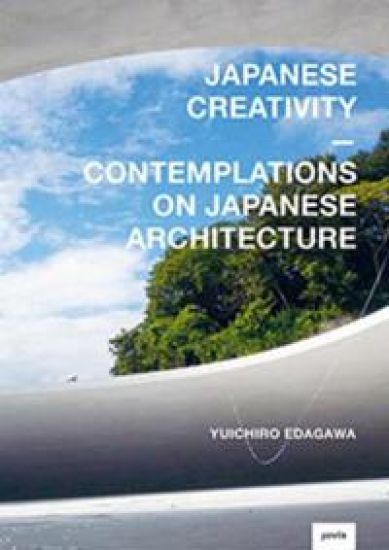
Japanese Creativity

Japanese Creativity

Yuichiro Edagawa; Kengo Kuma

JOVIS Verlag
2018
sidottu
What lies at the root of Japanese creativity and its architectural artefacts? In his new book, the Japanese architect Yuichiro Edagwa explores this question in detail. By analysing a wide variety of unique exemplary buildings from the sixth century to the present, he determines twelve distinctive characteristics of Japanese architectural creativity and composition, including: intimacy with nature, importance of materials, bipolarity and diversity, asymmetry, devotion to small space, and organic form. The key understanding which pervades all these characteristics is that 'parts precede the whole'. The Japanese process of creation begins with designing parts and details and ends with combining them to one edifice, instead of starting with a whole structure and working out the components afterwards. With Japanese Creativity - Contemplations on Japanese Architecture Edagawa provides a personal and comprehensive understanding of Japanese creativity and the architectural process. The book gives us an inspiring insight into Japanese culture and identity, which in its essence is deeply traditional and modern at the same time.
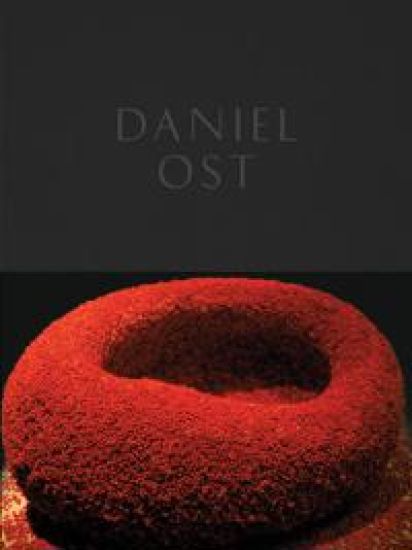
Daniel Ost

Daniel Ost

Paul Geerts; Kengo Kuma

Phaidon Press Ltd
2015
sidottu
The most comprehensive monograph available on the internationally renowned Belgian floral artist and designer Daniel Ost.Daniel Ost’s work in floral design gores far beyond table arrangements to bridge the gap between floral design and art. Using elements from the natural world – flowers, branches, and plants of all varieties, Ost crates large-scale, site-specific constructions that at times enter the realms of sculpture and set design. Ost has created exquisite installations for royal residences, embassies, temples, international art exhibitions, and the fashion industry.Daniel Ost presents 80 of his most important projects while accompanying essays explore their significance and the inspiration behind them. Lavish photography illustrates each project in this visually inspiring sourcebook for all creative and design professionals.Texts by Dutch author Cees Nooteboom and Japanese architect Kengo Kuma reflect on the impact of Ost’s career.
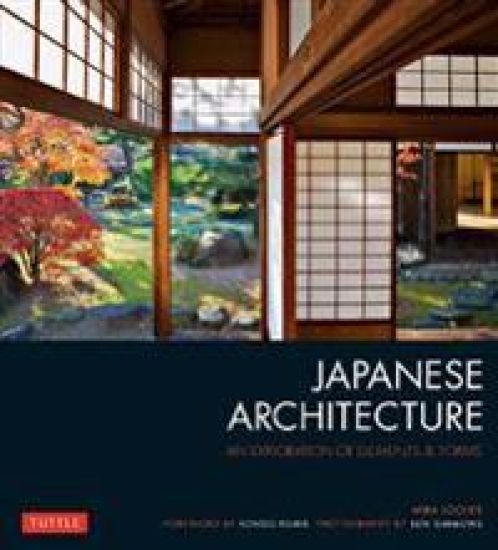
Japanese Architecture

Japanese Architecture

Mira Locher; Kengo Kuma

Tuttle Publishing
2015
nidottu
Thick thatched roofs and rough mud plaster walls. An intricately carved wood transom and a precisely woven tatami mat—each element of traditional Japanese architecture tells a story.In Japanese Architecture, author Mira Locher explores how each of these stories encompasses the particular development, construction, function and symbolism inherent in historic architectural elements. From roofs, walls and floors to door pulls and kettle hangers, Japanese Architecture situates these elements firmly within the natural environment and traditional Japanese culture.Japanese architecture developed with influences from abroad and particular socio-political situations at home. The resulting forms and construction materials—soaring roofs with long eaves, heavy timber structures of stout columns supporting thick beams, mud plaster walls flecked with straw and sand and the refined paper-covered lattice shoji screen—are recognizable as being of distinctly Japanese design. These constructed forms, designed with strong connections to the surrounding environment, utilize natural construction materials in ways that are both practical and inventive. This fascinating architecture book provides a comprehensive perspective of traditional Japanese architecture, relating the historical development and context of buildings and the Japanese garden while examining the stories of the individual architectural elements, from foundation to roof.