Kirjojen hintavertailu. Mukana 12 595 353 kirjaa ja 12 kauppaa.

Kirjailija

Kenneth J. Banks

Kirjat ja teokset yhdessä paikassa: 3 kirjaa, julkaisuja vuosilta 2002-2026, suosituimpien joukossa A Sea of Possibilities: The Revolutionary Atlantic World of Captain Thomas Allen. Vertaile teosten hintoja ja tarkista saatavuus suomalaisista kirjakaupoista.

3 kirjaa

Kirjojen julkaisuhaarukka 2002-2026.

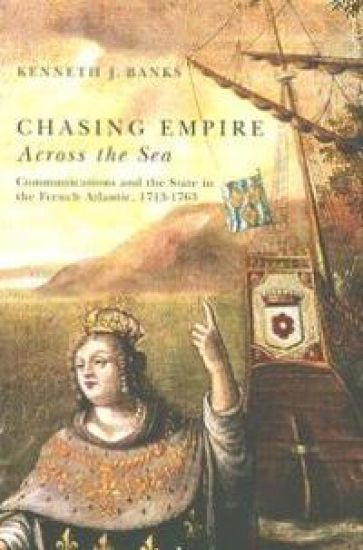
Chasing Empire Across the Sea

Chasing Empire Across the Sea

Kenneth J. Banks

McGill-Queen's University Press
2006
nidottu
Banks defines and applies the concept of communications in a far broader context than previous historical studies of communication, encompassing a range of human activity from sailing routes, to mapping, to presses, to building roads and bridges. He employs a comparative analysis of early modern French imperialism, integrating three types of overseas possessions usually considered separately - the settlement colony (New France), the tropical monoculture colony (the French Windward Islands), and the early Enlightenment planned colony (Louisiana) - offering a work of synthesis that unites the historiographies and insights from three formerly separate historical literatures. Banks challenges the very notion that a concrete "empire" emerged by the first half of the eighteenth century; in fact, French colonies remained largely isolated arenas of action and development. Only with the contraction and concentration of overseas possessions after 1763 on the Plantation Complex did a more cohesive, if fleeting, French empire first emerge.
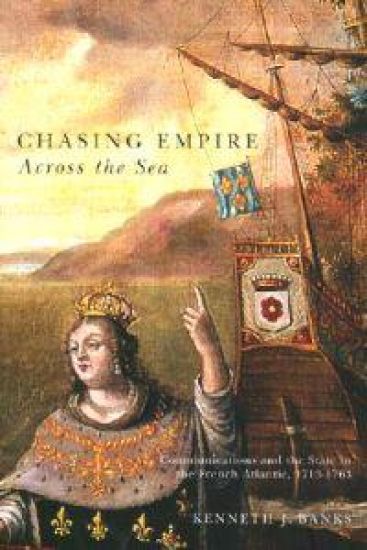
Chasing Empire Across the Sea

Chasing Empire Across the Sea

Kenneth J. Banks

McGill-Queen's University Press
2002
sidottu
Banks defines and applies the concept of communications in a far broader context than previous historical studies of communication, encompassing a range of human activity from sailing routes, to mapping, to presses, to building roads and bridges. He employs a comparative analysis of early modern French imperialism, integrating three types of overseas possessions usually considered separately - the settlement colony (New France), the tropical monoculture colony (the French Windward Islands), and the early Enlightenment planned colony (Louisiana) - offering a work of synthesis that unites the historiographies and insights from three formerly separate historical literatures. Banks challenges the very notion that a concrete "empire" emerged by the first half of the eighteenth century; in fact, French colonies remained largely isolated arenas of action and development. Only with the contraction and concentration of overseas possessions after 1763 on the Plantation Complex did a more cohesive, if fleeting, French empire first emerge.