Kirjojen hintavertailu. Mukana 12 595 353 kirjaa ja 12 kauppaa.

Kirjailija

Kenneth J. Gregory

Kirjat ja teokset yhdessä paikassa: 6 kirjaa, julkaisuja vuosilta 2008-2014, suosituimpien joukossa The Basics of Geomorphology. Vertaile teosten hintoja ja tarkista saatavuus suomalaisista kirjakaupoista.

6 kirjaa

Kirjojen julkaisuhaarukka 2008-2014.

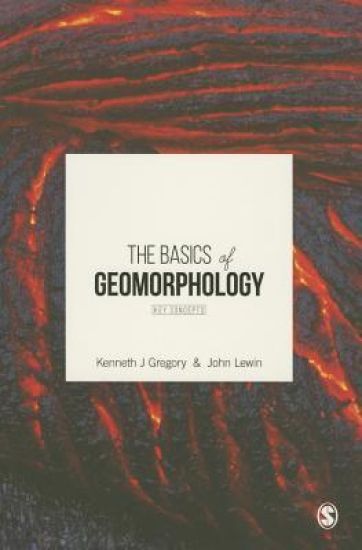
The Basics of Geomorphology

The Basics of Geomorphology

Kenneth J. Gregory; John Lewin

SAGE Publications Ltd
2014
sidottu
"I can think of no better guides than Professors Ken Gregory and John Lewin to lead the reader through the conceptual basis of this exciting science." - Victor R. Baker, University of Arizona "A very readable and informative introduction to the discipline for senior undergraduates, postgraduates and researchers." - Angela Gurnell, Queen Mary University of London "Time will tell, but this book may well mark a turning point in the way students and scientists alike perceive Earth surface processes and landforms." - Jonathan Phillips, University of Kentucky This student focused book provides a detailed description and analysis of the key concepts, ideas, and hypotheses that inform geomorphology. Kenneth Gregory and John Lewin explain the basics of landform science in 20 concepts, each the subject of a substantive, cross-referenced entry. They use the idea of the 'geomorphic system' to organise entries in four sections, with extensive web resources provided for each: System Contexts: The Systems Approach / Uniformitarianism / Landform / Form, Process and Materials / Equilibrium / Complexity and Non Linear Dynamical Systems System Functioning: Cycles and cascades / Force-Resistance / Geomorphic work / Process Form Models System Adjustments: Timescales / Forcings / Change Trajectories / Inheritance and Sensitivity / Anthropocene Drivers for the Future: Geomorphic Hazards / Geomorphic Engineering / Design and Prediction Aligned with the teaching literature, this innovative text provides a fully-functioning learning environment for study, revision, and even self-directed research for both undergraduate and postgraduate students of geomorphology.
The Basics of Geomorphology

The Basics of Geomorphology

Kenneth J. Gregory; John Lewin

SAGE Publications Ltd
2014
nidottu
"I can think of no better guides than Professors Ken Gregory and John Lewin to lead the reader through the conceptual basis of this exciting science." - Victor R. Baker, University of Arizona "A very readable and informative introduction to the discipline for senior undergraduates, postgraduates and researchers." - Angela Gurnell, Queen Mary University of London "Time will tell, but this book may well mark a turning point in the way students and scientists alike perceive Earth surface processes and landforms." - Jonathan Phillips, University of Kentucky This student focused book provides a detailed description and analysis of the key concepts, ideas, and hypotheses that inform geomorphology. Kenneth Gregory and John Lewin explain the basics of landform science in 20 concepts, each the subject of a substantive, cross-referenced entry. They use the idea of the 'geomorphic system' to organise entries in four sections, with extensive web resources provided for each: System Contexts: The Systems Approach / Uniformitarianism / Landform / Form, Process and Materials / Equilibrium / Complexity and Non Linear Dynamical Systems System Functioning: Cycles and cascades / Force-Resistance / Geomorphic work / Process Form Models System Adjustments: Timescales / Forcings / Change Trajectories / Inheritance and Sensitivity / Anthropocene Drivers for the Future: Geomorphic Hazards / Geomorphic Engineering / Design and Prediction Aligned with the teaching literature, this innovative text provides a fully-functioning learning environment for study, revision, and even self-directed research for both undergraduate and postgraduate students of geomorphology.
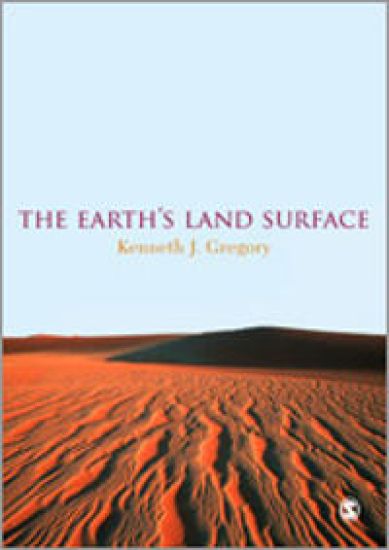
The Earth's Land Surface

The Earth's Land Surface

Kenneth J. Gregory

SAGE Publications Ltd
2010
nidottu
"Given the sheer scale of the topic under consideration here, Professor Gregory does well to condense it into bite-size pieces for the reader. I recommend this text to all undergraduate students of physical geography and earth sciences, particularly to those in their first and second years... This book is a comprehensive and (crucially) inexpensive text that will provide students with a useful source on geomorphology." - Lynda York, The Geographical Journal "I would highly recommend this to anyone doing geology or geography at university as a 'go to' book for geomorphology and landform." - Sara Falcone, Teaching Earth Science "An excellent source of information for anyone who needs a well-informed, easy to use reference volume to introduce them to the fascinating complexities of the earth’s land surface, past, present and future." - Angela Gurnell, Queen Mary, University of London This introductory text details the land surface of the earth in a readable style covering the major issues, key themes and sensitivities of the environments/landscape. Emphasising the major ideas and their development, each chapter includes case studies and details of influential scientists (not necessarily geomorphologists) who have contributed to the progress of understanding. Providing a very clear explanation of the understanding achieved and of the debates that have arisen, the book is comprised of 12 chapters in four sections: Visualising the land surface explains and explores the composition of the land surface and outlines how it has been studied.Dynamics of the land surface considers the dynamics affecting the earth's land surface including its influences, processes and the changes that have occurred.Environments of the land surface looks to understand the land surface in major world regions highlighting differences between the areas.Management of the land surface is an examination of the current and future prospects of the management of the earth's land surface. With pedagogical features including further reading, questions for discussion and a glossary, this original, lively text is authored by one of the leading experts in the field and will be core reading for first and second year undergraduates on all physical geography courses.
The Earth's Land Surface

The Earth's Land Surface

Kenneth J. Gregory

SAGE Publications Ltd
2010
sidottu
"Given the sheer scale of the topic under consideration here, Professor Gregory does well to condense it into bite-size pieces for the reader. I recommend this text to all undergraduate students of physical geography and earth sciences, particularly to those in their first and second years... This book is a comprehensive and (crucially) inexpensive text that will provide students with a useful source on geomorphology." - Lynda York, The Geographical Journal "I would highly recommend this to anyone doing geology or geography at university as a 'go to' book for geomorphology and landform." - Sara Falcone, Teaching Earth Science "An excellent source of information for anyone who needs a well-informed, easy to use reference volume to introduce them to the fascinating complexities of the earth’s land surface, past, present and future." - Angela Gurnell, Queen Mary, University of London This introductory text details the land surface of the earth in a readable style covering the major issues, key themes and sensitivities of the environments/landscape. Emphasising the major ideas and their development, each chapter includes case studies and details of influential scientists (not necessarily geomorphologists) who have contributed to the progress of understanding. Providing a very clear explanation of the understanding achieved and of the debates that have arisen, the book is comprised of 12 chapters in four sections: Visualising the land surface explains and explores the composition of the land surface and outlines how it has been studied.Dynamics of the land surface considers the dynamics affecting the earth's land surface including its influences, processes and the changes that have occurred.Environments of the land surface looks to understand the land surface in major world regions highlighting differences between the areas.Management of the land surface is an examination of the current and future prospects of the management of the earth's land surface. With pedagogical features including further reading, questions for discussion and a glossary, this original, lively text is authored by one of the leading experts in the field and will be core reading for first and second year undergraduates on all physical geography courses.
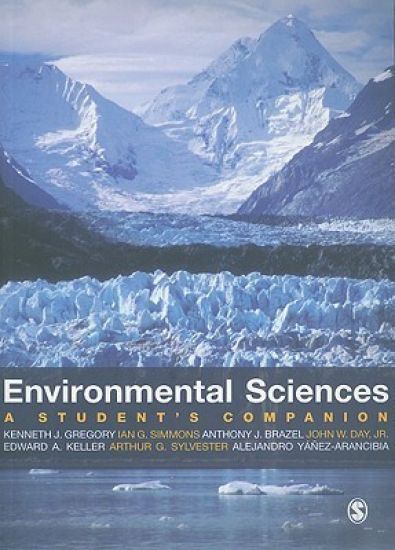
Environmental Sciences

Environmental Sciences

Kenneth J. Gregory; Ian Simmons; Anthony Brazel; John W Day; Edward A Keller; Alejandro Yanez-Arancibia; Arthur G Sylvester

SAGE Publications Inc
2008
sidottu
Unique in the reference literature, this Companion provides students with an introduction to all the major concepts and contemporary issues in the environmental sciences. The text is divided into six sections (Environmental Sciences, Environments, Paradigms and Concepts, Processes and Dynamic, Scales and Techniques, Environmental Issues), with over 200 entries alphabetically organized and authored by key names in the environmental science disciplines. Entries are concise, informative, richly visual and fully referenced and cross referenced. They introduce key concepts and processes that are included in the index, cite relevant websites, and reflect the latest thinking.
Environmental Sciences

Environmental Sciences

Kenneth J. Gregory; Ian Simmons; Anthony Brazel; John W Day; Edward A Keller; Alejandro Yanez-Arancibia; Arthur G Sylvester

SAGE Publications Inc
2008
nidottu
Unique in the reference literature, this Companion provides students with an introduction to all the major concepts and contemporary issues in the environmental sciences. The text is divided into six sections (Environmental Sciences, Environments, Paradigms and Concepts, Processes and Dynamic, Scales and Techniques, Environmental Issues), with over 200 entries alphabetically organized and authored by key names in the environmental science disciplines. Entries are concise, informative, richly visual and fully referenced and cross referenced. They introduce key concepts and processes that are included in the index, cite relevant websites, and reflect the latest thinking.