Kirjojen hintavertailu. Mukana 12 390 323 kirjaa ja 12 kauppaa.
Kirjailija
Kenneth M. Heilman
Kirjat ja teokset yhdessä paikassa: 12 kirjaa, julkaisuja vuosilta 2002-2024, suosituimpien joukossa Matter of Mind. Vertaile teosten hintoja ja tarkista saatavuus suomalaisista kirjakaupoista.
Academic interest in the non-scientific parts of good medical practice continues to grow as evidenced by the increasing number of undergraduate and trainee-level courses on doctor-patient communication, ethics and professionalism. Lessons in Caring provides an introduction for students and trainees to fundamental but unquantifiable clinical skills.
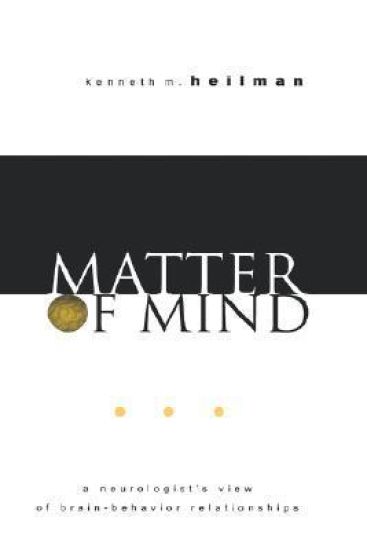
Most of what has been learned about how the brain mediates behaviour comes from experiments of nature where a stroke or other damage to the brain produces changes in a person's behaviour. In Matter of Mind, one of the leading figures in behavioural and cognitive neurology uses patient vignettes and other examples from his rich professional life to show just how much knowledge about brain functions such as reading, writing, language, control of emotions, skilled movement, perception, attention, and motiviation has been gained from the study of patients with diseases of or damage to the brain. No knowledge of neurology or neuroscience is required to understand the book, which is intended for neurological patients and their families. It will also be of interest to professionals who study the brain or treat patients with brain damage including neuropsychologists, neurologists, neuroscientists, psychologists, speech pathologists, occupational and physical therapists, and their students and trainees.
This book was written by Kenneth M. Heilman, a neurologist with a long and productive clinical and academic career, including being a researcher and teacher. Based on his experiences and achievements, as well as his frustrations and failures, he examines the challenges of healthcare, including what problems exist and how these problems may be improved. Each chapter in this book focuses on integral areas of medicine, including research, creativity, career development, patient-physician relationship, wellness, medications, social considerations such as race, and medicine's future. Changes in Medicine offers a unique view to the rapidly evolving field of neurology and practicing medicine.
Many parts of the athlete’s body are important for performance, such as strong muscles and bones; healthy lungs and heart; and several sensory systems, including the vision, touch, and joint position senses, and the vestibular system for balance. However, the critical element for athletic performance is, "not what you have but how you use it." The organ that decides "how you use it" is the brain. This book explains how the brain allows the athlete to perform.The book starts with an outline of brain anatomy, which is necessary to understand how the brain functions. The book then outlines many critical aspects of the athlete’s brain, including learning motor skills; decision-making; hand preference; visual perception of speed, distance, and direction; balance; emotions and mood. Finally, the book discusses the adverse influence of brain injuries.
It has long been known that cognitive (thinking and reasoning) stimulation of the brain's cerebral cortex enhances the brain development of children and reduces degeneration with aging. In addition, competition enhances engagement. During long trips or while waiting, Heilman, a neurologist, along with his grandchildren, children, and son-in-law would play games. Studies of patients with brain injuries and functional brain imaging have revealed that different parts of the cerebral cortex perform different functions. We developed and selected games that we had fun playing, were competitive, did not need a computer or purchases, and stimulate different specific areas of the brain. In this book, we describe areas of the cerebral cortex and their functions. We then describe some games that may stimulate these areas, as well as provide enjoyment.
It has long been known that cognitive (thinking and reasoning) stimulation of the brain's cerebral cortex enhances the brain development of children and reduces degeneration with aging. In addition, competition enhances engagement. During long trips or while waiting, Heilman, a neurologist, along with his grandchildren, children, and son-in-law would play games. Studies of patients with brain injuries and functional brain imaging have revealed that different parts of the cerebral cortex perform different functions. We developed and selected games that we had fun playing, were competitive, did not need a computer or purchases, and stimulate different specific areas of the brain. In this book, we describe areas of the cerebral cortex and their functions. We then describe some games that may stimulate these areas, as well as provide enjoyment.
Many parts of the athlete’s body are important for performance, such as strong muscles and bones; healthy lungs and heart; and several sensory systems, including the vision, touch, and joint position senses, and the vestibular system for balance. However, the critical element for athletic performance is, "not what you have but how you use it." The organ that decides "how you use it" is the brain. This book explains how the brain allows the athlete to perform.The book starts with an outline of brain anatomy, which is necessary to understand how the brain functions. The book then outlines many critical aspects of the athlete’s brain, including learning motor skills; decision-making; hand preference; visual perception of speed, distance, and direction; balance; emotions and mood. Finally, the book discusses the adverse influence of brain injuries.
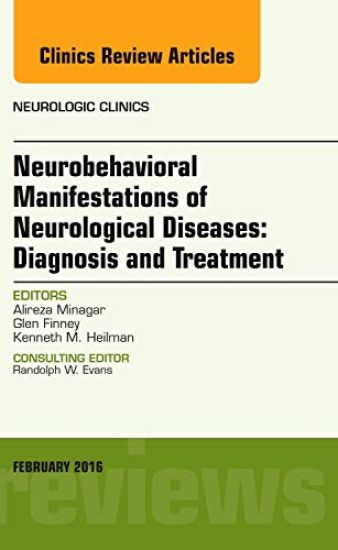
This important subject of Diagnosis of and Treatment for Neurobehavioral manifestations of neurologic disease is directed by three leaders of this field - Dr. Alizeza Minagar, Dr. Glen Finney, and Dr. Kenneth Heilman. Topics include: Neurobehavioral testing for mental status; Behavioral neurology of vascular neurology; Alzheimer's disease; Frontotemporal dementia; Traumatic brain injury; Parkinsonian Syndromes (e.g., Parkinson's disease, Lewy body dementia, progressive supranuclear palsy, corticobasal disease, multisystem atrophy); Behavioral neurology of multiple sclerosis and autoimmune encephalopathies; Infectious Diseases (Neuro-AIDS, Neurosyphilis, HSV); Neurobehavioral aspects of systemic disease; Neurobehavioral aspects of epilepsy; Behavioral neurology aspects of nutritional deficiencies; Neurobehavioral aspects of mitochondrial disease; and Medicinal-induced behavioral disorders.
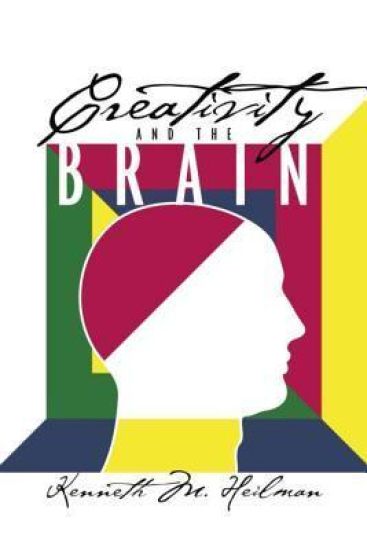
In Creativity and the Brain, Kenneth Heilman explores the possible brain mechanisms which underlie creativity, by reviewing the existing evidence and putting forward new ideas. On the way, he discusses the relationships between creativity and intelligence, brain anatomy, neuropharmacology, addiction, handedness, sex differences, and mood states such as depression. He also addresses the effects of neurological disorders and aging, as well as the influence of environmental factors such as tolerance and nurturing.The book will be of interest to neuroscientists, psychologists, psychiatrists, neurologists and educators The engaging and succinct style of this book also make it appealing to students, and researchers from a variety of disciplines who have an interest in understanding the brain mechanisms underlying creativity.
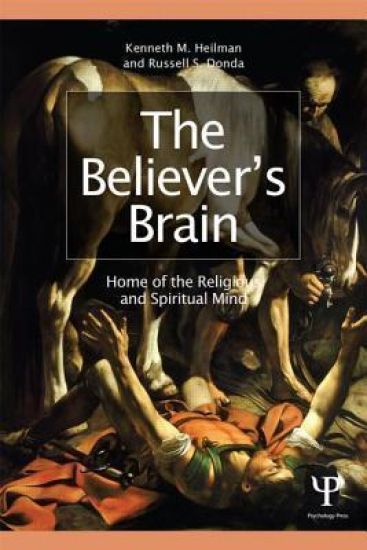
About 90% of people have faith in a supreme being, but our yearning for the divine, and whatever it promises, involves a large divergence in mental states and behaviors. Some adhere to doctrine, supplication, and fastidious religious practices; others have a strong sense they are part of something greater and more universal. However, all religious and spiritual paths are mediated by complex brain networks. When different areas of the brain are stimulated, a person can have a variety of experiences, but there is no specific ‘God spot’ where stimulation enhances religiosity or spirituality. Functional brain imaging shows that there are specific areas of the brain that ‘light up’ when subjects perform certain religious activities, but imaging only provides anatomic correlations, not functional explanations.The Believer's Brain takes a step beyond these singular methodologies, providing converging evidence from a variety study methods of how humans’ brain networks mediate different aspects of religious and spiritual beliefs, feelings, actions, and experiences.Although the book reveals how our brain is the home to the religious and spiritual mind, understanding this gift will not diminish our spirituality or our love or our belief in a supreme being, but will increase appreciation of the apparatus that mediates these mental states.
About 90% of people have faith in a supreme being, but our yearning for the divine, and whatever it promises, involves a large divergence in mental states and behaviors. Some adhere to doctrine, supplication, and fastidious religious practices; others have a strong sense they are part of something greater and more universal. However, all religious and spiritual paths are mediated by complex brain networks. When different areas of the brain are stimulated, a person can have a variety of experiences, but there is no specific ‘God spot’ where stimulation enhances religiosity or spirituality. Functional brain imaging shows that there are specific areas of the brain that ‘light up’ when subjects perform certain religious activities, but imaging only provides anatomic correlations, not functional explanations.The Believer's Brain takes a step beyond these singular methodologies, providing converging evidence from a variety study methods of how humans’ brain networks mediate different aspects of religious and spiritual beliefs, feelings, actions, and experiences.Although the book reveals how our brain is the home to the religious and spiritual mind, understanding this gift will not diminish our spirituality or our love or our belief in a supreme being, but will increase appreciation of the apparatus that mediates these mental states.
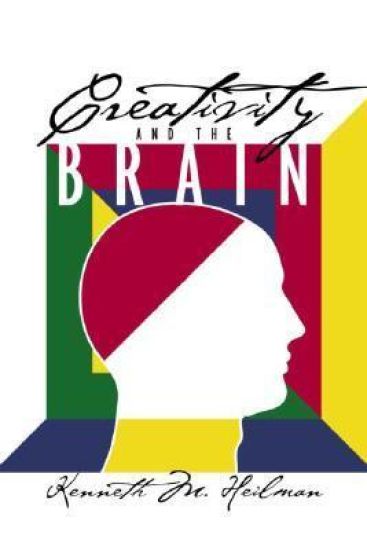
In Creativity and the Brain, Kenneth Heilman explores the possible brain mechanisms which underlie creativity, by reviewing the existing evidence and putting forward new ideas. On the way, he discusses the relationships between creativity and intelligence, brain anatomy, neuropharmacology, addiction, handedness, sex differences, and mood states such as depression. He also addresses the effects of neurological disorders and aging, as well as the influence of environmental factors such as tolerance and nurturing.The book will be of interest to neuroscientists, psychologists, psychiatrists, neurologists and educators The engaging and succinct style of this book also make it appealing to students, and researchers from a variety of disciplines who have an interest in understanding the brain mechanisms underlying creativity.