Kirjojen hintavertailu. Mukana 12 221 298 kirjaa ja 12 kauppaa.

Kirjailija

Kenneth Michael Panfilio

Kirjat ja teokset yhdessä paikassa: 2 kirjaa, julkaisuja vuodelta 2010, suosituimpien joukossa Symbolic Forms for a New Humanity. Vertaile teosten hintoja ja tarkista saatavuus suomalaisista kirjakaupoista.

2 kirjaa

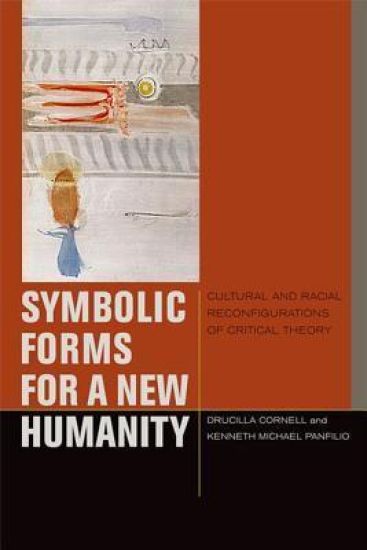
Symbolic Forms for a New Humanity

Symbolic Forms for a New Humanity

Drucilla Cornell; Kenneth Michael Panfilio

Fordham University Press
2010
sidottu
In dialogue with afro-caribbean philosophy, this book seeks in Cassirer's philosophy of symbolic forms a new vocabulary for approaching central intellectual and political issues of our time. For Cassirer, what makes humans unique is that we are symbolizing creatures destined to come into a world through varied symbolic forms; we pluralistically work with and develop these forms as we struggle to come to terms with who we are and our place in the universe. This approach can be used as a powerful challenge to hegemonic modes of study that mistakenly place the Western world at the center of intellectual and political life. Indeed, the authors argue that the symbolic dimension of Cassirer's thinking of possibility can be linked to a symbolic dimension in revolution via the ideas of Frantz Fanon, who argued that revolution must be a thoroughgoing cultural process, in which what is at stake is nothing less than how we symbolize a new humanity and bring into being a new set of social institutions worthy of that new humanity.
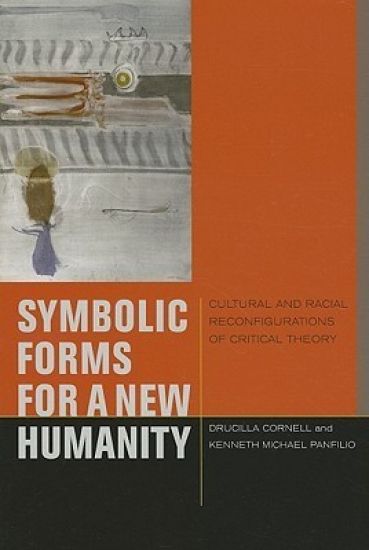
Symbolic Forms for a New Humanity

Symbolic Forms for a New Humanity

Drucilla Cornell; Kenneth Michael Panfilio

Fordham University Press
2010
pokkari
In dialogue with afro-caribbean philosophy, this book seeks in Cassirer's philosophy of symbolic forms a new vocabulary for approaching central intellectual and political issues of our time. For Cassirer, what makes humans unique is that we are symbolizing creatures destined to come into a world through varied symbolic forms; we pluralistically work with and develop these forms as we struggle to come to terms with who we are and our place in the universe. This approach can be used as a powerful challenge to hegemonic modes of study that mistakenly place the Western world at the center of intellectual and political life. Indeed, the authors argue that the symbolic dimension of Cassirer's thinking of possibility can be linked to a symbolic dimension in revolution via the ideas of Frantz Fanon, who argued that revolution must be a thoroughgoing cultural process, in which what is at stake is nothing less than how we symbolize a new humanity and bring into being a new set of social institutions worthy of that new humanity.