Kirjojen hintavertailu. Mukana 12 595 353 kirjaa ja 12 kauppaa.

Kirjailija

Kerry Freedman

Kirjat ja teokset yhdessä paikassa: 5 kirjaa, julkaisuja vuosilta 2003-2025, suosituimpien joukossa Teaching Visual Culture. Vertaile teosten hintoja ja tarkista saatavuus suomalaisista kirjakaupoista.

5 kirjaa

Kirjojen julkaisuhaarukka 2003-2025.

Teaching Visual Culture

Teaching Visual Culture

Kerry Freedman

TEACHERS' COLLEGE PRESS
2025
nidottu
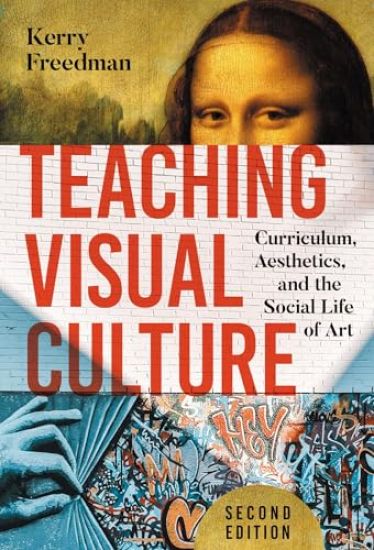
An updated edition of the first book to focus on teaching the visual arts from a cultural standpoint. Teaching Visual Culture provides the theoretical and practical basis for developing a curriculum that lays the groundwork for art education at all levels (K– 2 and higher education) and across school subjects. Drawing on material, social, cognitive, aesthetic, and curricular theories, Freedman offers a framework for teaching the visual arts from a cultural standpoint. Chapters discuss visual culture in a democracy aesthetics in curriculum philosophical and historical considerations recent changes in the field of art history connections between art, student development, and cognition art inside and outside of school the role of fine arts in curriculum visual technologies television as the national curriculum student artistic production and assessment and much more. Additional content for the Second Edition includes applications of new materialism, ways to document and assess tacit knowledge in students, and uses of AI image generation. Book Features: 7 full-color images new to the second edition.Both documents and challenges past and current practices of art education for teacher educators, K– 2 teachers, undergraduate and graduate students, school administrators, and community educators.Provides a foundation for art education with ways to update curriculum, an exploration of why newer technologies are making visual literacy essential for all learners, and new ideas about the impact of aesthetics on learning.Covers contemporary issues essential to addressing the increased impact of visual culture across school subjects, including new brain research, visual culture and the environment, the relationship between the diversity of visual culture and identities, and the visual culture of politics.
Teaching Visual Culture

Teaching Visual Culture

Kerry Freedman

TEACHERS' COLLEGE PRESS
2025
sidottu
An updated edition of the first book to focus on teaching the visual arts from a cultural standpoint. Teaching Visual Culture provides the theoretical and practical basis for developing a curriculum that lays the groundwork for art education at all levels (K– 2 and higher education) and across school subjects. Drawing on material, social, cognitive, aesthetic, and curricular theories, Freedman offers a framework for teaching the visual arts from a cultural standpoint. Chapters discuss visual culture in a democracy aesthetics in curriculum philosophical and historical considerations recent changes in the field of art history connections between art, student development, and cognition art inside and outside of school the role of fine arts in curriculum visual technologies television as the national curriculum student artistic production and assessment and much more. Additional content for the Second Edition includes applications of new materialism, ways to document and assess tacit knowledge in students, and uses of AI image generation. Book Features: 7 full-color images new to the second edition.Both documents and challenges past and current practices of art education for teacher educators, K– 2 teachers, undergraduate and graduate students, school administrators, and community educators.Provides a foundation for art education with ways to update curriculum, an exploration of why newer technologies are making visual literacy essential for all learners, and new ideas about the impact of aesthetics on learning.Covers contemporary issues essential to addressing the increased impact of visual culture across school subjects, including new brain research, visual culture and the environment, the relationship between the diversity of visual culture and identities, and the visual culture of politics.

Visual Methods of Inquiry

Visual Methods of Inquiry

Kerry Freedman; Richard Siegesmund

TAYLOR FRANCIS LTD
2023
sidottu
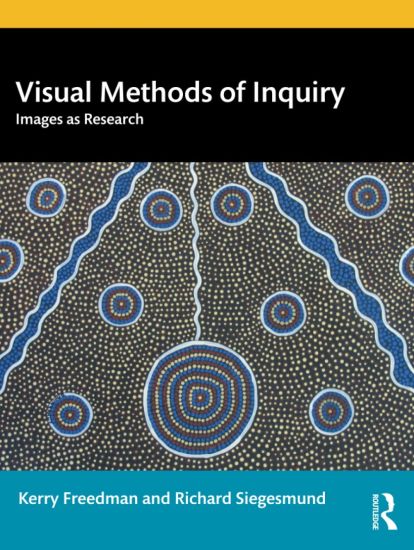
Visual Methods of Inquiry: Images as Research presents qualitative researchers in the social sciences with the benefits, applications, and forms of visual research methods. It includes a wide variety of images to illustrate the many uses of visual methods for social research.Contemporary visual culture theory and practice offers wide-ranging opportunities for methodological advancement in the social sciences. This book covers the basics of image use in visual research methods and explores how these methods can be used effectively in social science research by surveying the conditions of visual forms, materials, and concepts, and the ways these represent and influence social conditions, phenomena, beliefs, and actions. It examines the roles and processes of interpretation in visual research and discusses ethical considerations that arise when using visual research methods. Students of social science and the visual arts will find this book useful in expanding and improving their methods of inquiry. Artists and researchers already familiar with visual methods will find that this book clarifies the ways the visual works in various research contexts and provides helpful language to describe and explain those methods.
Visual Methods of Inquiry

Visual Methods of Inquiry

Kerry Freedman; Richard Siegesmund

TAYLOR FRANCIS LTD
2023
nidottu
Visual Methods of Inquiry: Images as Research presents qualitative researchers in the social sciences with the benefits, applications, and forms of visual research methods. It includes a wide variety of images to illustrate the many uses of visual methods for social research.Contemporary visual culture theory and practice offers wide-ranging opportunities for methodological advancement in the social sciences. This book covers the basics of image use in visual research methods and explores how these methods can be used effectively in social science research by surveying the conditions of visual forms, materials, and concepts, and the ways these represent and influence social conditions, phenomena, beliefs, and actions. It examines the roles and processes of interpretation in visual research and discusses ethical considerations that arise when using visual research methods. Students of social science and the visual arts will find this book useful in expanding and improving their methods of inquiry. Artists and researchers already familiar with visual methods will find that this book clarifies the ways the visual works in various research contexts and provides helpful language to describe and explain those methods.
Teaching Visual Culture

Teaching Visual Culture

Kerry Freedman

Teachers' College Press
2003
nidottu
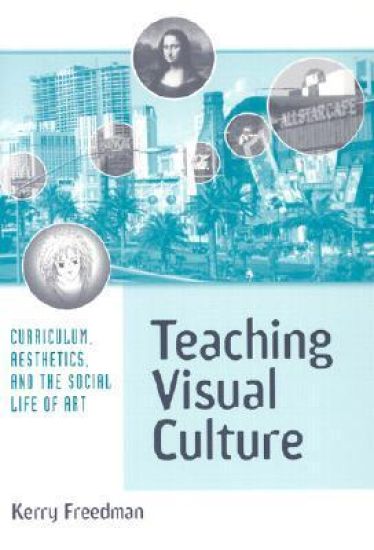
Global culture is rapidly shifting from text-based communication to image saturation. Visual culture is everywhere: on television, in museums, in magazines, in movie theaters, on billboards, on the internet, and in shopping malls. As a result, learning about the complexities of visual culture is becoming ever more critical to human development. This is the first book to focus on teaching visual culture. The author provides the theoretical basis on which to develop a curriculum that lays the groundwork for postmodern art education (K–12 and higher education). Drawing on social, cognitive, and curricular theory foundations, Freedman offers a conceptual framework for teaching the visual arts from a cultural standpoint. Chapters discuss: visual culture in a democracy; aesthetics in curriculum; philosophical and historical considerations; recent changes in the field of art history; connections between art, student development, and cognition; interpretation of art inside and outside of school; the role of fine arts in curriculum; technology and teaching; television as the national curriculum; student artistic production and assessment; and much more.