Kirjojen hintavertailu. Mukana 12 390 323 kirjaa ja 12 kauppaa.

Kirjailija

Ketu Katrak

Kirjat ja teokset yhdessä paikassa: 3 kirjaa, julkaisuja vuosilta 1986-2006, suosituimpien joukossa The Politics of the Female Body. Vertaile teosten hintoja ja tarkista saatavuus suomalaisista kirjakaupoista.

3 kirjaa

Kirjojen julkaisuhaarukka 1986-2006.

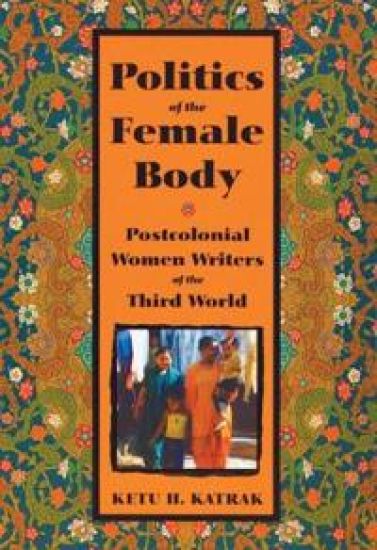
The Politics of the Female Body

The Politics of the Female Body

Ketu Katrak

Rutgers University Press
2006
nidottu
Is it possible to simultaneously belong to and be exiled from a community? In Politics of the Female Body, Ketu H. Katrak argues that it is not only possible, but common, especially for women who have been subjects of colonial empires.Through her careful analysis of postcolonial literary texts, Katrak uncovers the ways that the female body becomes a site of both oppression and resistance. She examines writers working in the English language, including Anita Desai from India, Ama Ata Aidoo from Ghana, and Merle Hodge from Trinidad, among others. The writers share colonial histories, a sense of solidarity, and resistance strategies in the on-going struggles of decolonization that center on the body.Bringing together a rich selection of primary texts, Katrak examines published novels, poems, stories, and essays, as well as activist materials, oral histories, and pamphlets—forms that push against the boundaries of what is considered strictly literary. In these varied materials, she reveals common political and feminist alliances across geographic boundaries.A unique comparative look at women’s literary work and its relationship to the body in third world societies, this text will be of interest to literary scholars and to those working in the fields of postcolonial studies and women’s studies.
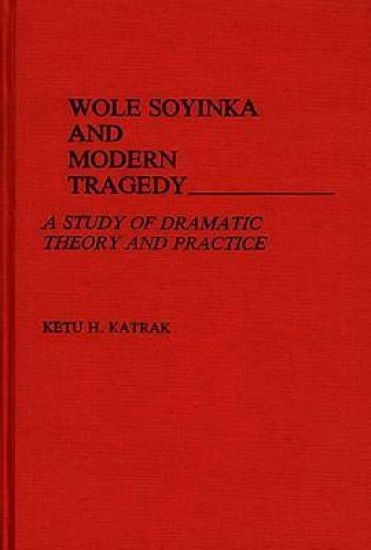
Wole Soyinka and Modern Tragedy

Wole Soyinka and Modern Tragedy

Ketu Katrak

Praeger Publishers Inc
1986
sidottu
The tragic drama of Nigeria's leading playwright, Wole Soyinka, is the focus of this in-depth study. Ketu H. Katrak explores Soyinka's concept of the tragic experience as it relates to Yoruba culture and analyzes the unique features of his theory of tragedy which blends Yoruba traditional drama with Western tragic forms. Opening with a biographical overview of Soyinka's life and career, Katrak addresses the major issues presented by Soyinka in his essay on tragedy, The Fourth Stage. These include the origin of tragic feeling, the components of the tragic experience, and the concretization of these abstract notions in the Yoruba god Ogun. The author demonstrates that it is through these themes and the elements of ritual and myth that Soyinka imparts communal values to his work, ultimately achieving a metaphysical level of expression. Katrak also discusses the element of the death of the protagonist in a number of Soyinka's plays and how it is beneficial for the community. The history of a community, a nation, and mankind, as it appears in other Soyinka plays, is also discussed. Throughout the work, the study of Soyinka's drama is balanced with an analysis of dramatic structure and stagecraft. Included are interviews and discussions with many of Nigeria's academicians, as well as with Soyinka himself.