Kirjojen hintavertailu. Mukana 12 390 323 kirjaa ja 12 kauppaa.

Kirjailija

Kevin Hoffman

Kirjat ja teokset yhdessä paikassa: 6 kirjaa, julkaisuja vuosilta 2004-2025, suosituimpien joukossa Pro ADO.NET with VB .NET 1.1. Vertaile teosten hintoja ja tarkista saatavuus suomalaisista kirjakaupoista.

6 kirjaa

Kirjojen julkaisuhaarukka 2004-2025.

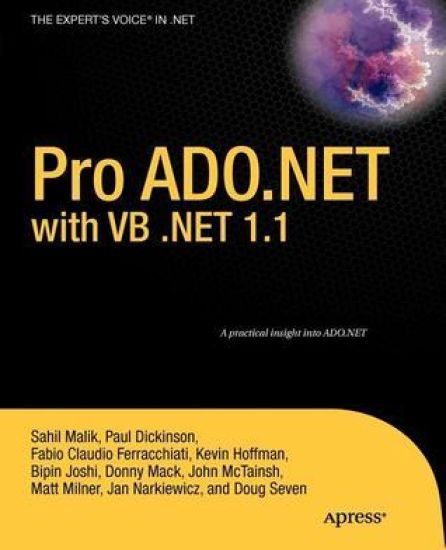
Pro ADO.NET with VB .NET 1.1

Pro ADO.NET with VB .NET 1.1

Kevin Hoffman; Fabio Claudio Ferracchiati; Mathew Milner; Nick Malik; Jan D. Narkiewicz; Jenny Mack; Bipin Joshi; Doug Seven; John McTainsh; Paul Dickinson

APress
2004
nidottu
Calling all VB.NET programmers and web developers! This highly anticipated book provides thorough instruction for using ADO.NET, supported with numerous relevant code examples and extensive technical information. So whether you're developing web applications using ASP.NET, Windows Forms applications, or XML Web Services, you’ll become adept at maximizing .NET's data access technology. Topics include: ADO.NET data architecture; data readers, adapters, and DataSets; safer development with XML Schemas; data relationships; and ADO.NET’s built-in support and performance optimization. With such valuable content, you’ll come to master a solution-oriented approach to ADO.NET.
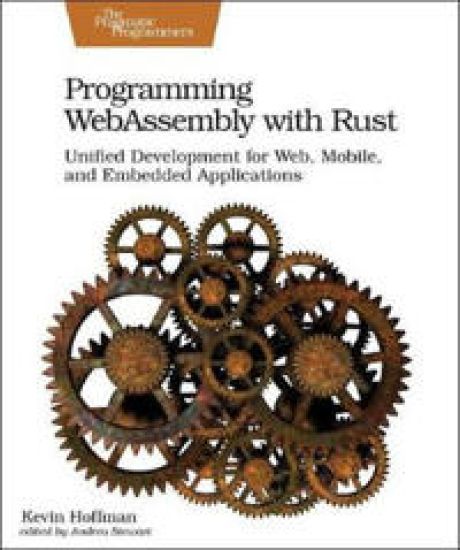
Programming WebAssembly with Rust

Programming WebAssembly with Rust

Kevin Hoffman

The Pragmatic Programmers
2019
nidottu
WebAssembly fulfills the long-awaited promise of web technologies: fast code, type-safe at compile time, execution in the browser, on embedded devices, or anywhere else. Rust delivers the power of C in a language that strictly enforces type safety. Combine both languages and you can write for the web like never before! Learn how to integrate with JavaScript, run code on platforms other than the browser, and take a step into IoT. Discover the easy way to build cross-platform applications without sacrificing power, and change the way you write code for the web. WebAssembly is more than just a revolutionary new technology. It's reshaping how we build applications for the web and beyond. Where technologies like ActiveX and Flash have failed, you can now write code in whatever language you prefer and compile to WebAssembly for fast, type-safe code that runs in the browser, on mobile devices, embedded devices, and more. Combining WebAssembly's portable, high-performance modules with Rust's safety and power is a perfect development combination. Learn how WebAssembly's stack machine architecture works, install low-level wasm tools, and discover the dark art of writing raw wast code. Build on that foundation and learn how to compile WebAssembly modules from Rust by implementing the logic for a checkers game. Create wasm modules in Rust to interoperate with JavaScript in many compelling ways. Apply your new skills to the world of non-web hosts, and create everything from an app running on a Raspberry Pi that controls a lighting system, to a fully-functioning online multiplayer game engine where developers upload their own arena-bound WebAssembly combat modules. Get started with WebAssembly today, and change the way you think about the web. What You Need: You'll need a Linux, Mac, or Windows workstation with an Internet connection. You'll need an up-to-date web browser that supports WebAssembly. To work with the sample code, you can use your favorite text editor or IDE. The book will guide you through installing the Rust and WebAssembly tools needed for each chapter.
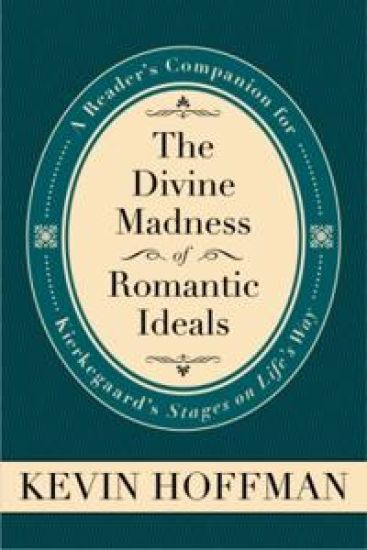
The Divine Madness of Romantic Ideals

The Divine Madness of Romantic Ideals

Kevin Hoffman

Mercer University Press
2014
nidottu
Kierkegaard's writings are severely complicated and readers often do not know what to make of them given the array of genres he deploys. He is at once a philosopher, theologian, literary critic, and poet in his own right who writes under multiple pseudonyms directed at an unsure audience. Stages on Life's Way is one of his longer and more elusive texts, and even scholars often shy away from it. The Divine Madness of Romantic Ideals offers a close and extensive reading of this puzzling production, showing how its disarming, concrete themes of personal love and marriage help unlock more abstract conceptual boxes within Kierkegaard's authorship for a general readership, pointing out the forest while paying scrupulous attention to the trees. The overall perspective of Stages is tracked in detail to show how the oft-evoked esthetic, ethical, and religious spheres of human life are concretely distinguished and problematically related in a kind of single developmental stage. For students of nineteenth century romanticism this reader's guide offers particular nuance to a tradition of reflection that typically blends an affirmation of eroticism, the natural world, and religious longing. For students of modern existentialism, if Kierkegaard is supposed to be the father, here we find clues about who the mother might be. For theologians it provides a peculiar literary theodicy, and for patrons of moral psychology an edifying disillusionment about the frailty of human aspiration and agency. Turning against the tide of cursory reading, this book is a model for treating a lesser-known classic.