Kirjojen hintavertailu. Mukana 12 305 221 kirjaa ja 12 kauppaa.
Kirjailija
Kevin Kumashiro
Kirjat ja teokset yhdessä paikassa: 10 kirjaa, julkaisuja vuosilta 2002-2026, suosituimpien joukossa Collectives and the Commons. Vertaile teosten hintoja ja tarkista saatavuus suomalaisista kirjakaupoista.
In today's troubling times, we frequently find ourselves in conversations with educational scholars, educators, and university students about feeling overwhelmed with the attacks on and challenges facing education, and unsure of how to act in this moment. What does it mean to leverage scholarship for public impact? What impact on public debate, awareness, or policy can collective action as large groups of scholars and leaders make that more traditional scholarship cannot or simply does not aspire to make? That is, when scholars and leaders speak in a collective and public-facing way, what interventions can we make in movement building for public education and for the public commons more broadly? Collectives and the Commons: The Role of Educational Scholars in Movement Building for Justice grapples with such questions by diving into the years-long journeys of four scholar collectives working toward justice in and through education. Each emerged in different times, places, and circumstances, but in recent years have connected under a "collective of collectives" umbrella that allowed them to share resources and support one another in their work: CReATE (Chicagoland Researchers and Advocates for Transformative Education), CARE-ED (California Alliance of Researchers for Equity in Education), HSESJD (Hawai'i Scholars for Education, Social Justice and Diversity), and EDJE (Education Deans for Justice and Equity). The result of this effort is this volume, which serves as a resource for scholars who are interested in working collectively for movement building and advocacy. With that goal in mind, each chapter consists of two key components: a narrative essay (how the collective formed, how they were organized and operated, their theory of change, the initiatives they undertook, how they pushed scholarship into the public space, challenges faced, and lessons learned or take-aways for others interested in educational advocacy) and a range of selected artifacts (research briefs and fact sheets; statements, petitions, testimonies; media and art work; and public events and symposiums). Collectives and the Commons is needed today more than ever. The current assault on education is an assault on teachers and students, and on the welfare of everyone. This book should be read by every scholar interested in seeing social justice applied to schools, classrooms and students. It can also be adopted in a variety of courses in Colleges of Education. Perfect for courses such as: Introduction to Education, Educational Equity, Educational Leadership, Educational Policy, Foundations of Education, Multicultural Education, Race and Education, Research Methods, Social Justice and Education, Teacher Education
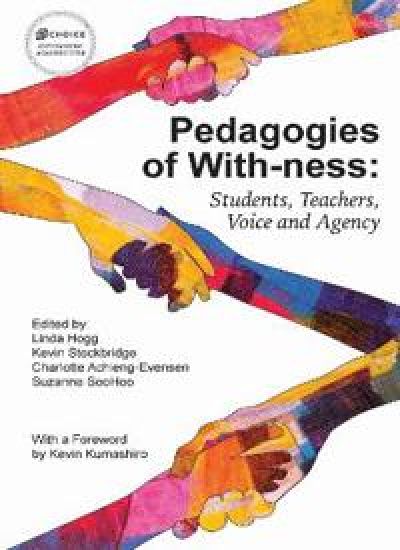
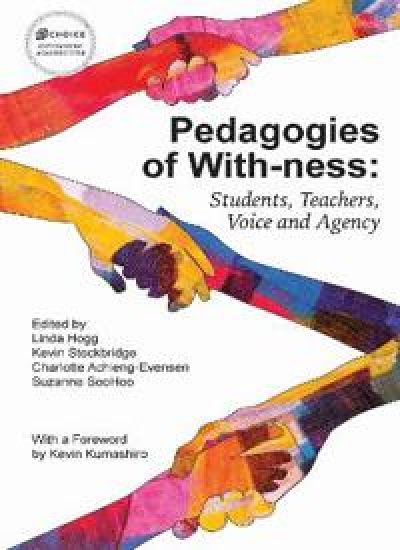
Across the globe, students are speaking up, walking out, and marching for social and ecological justice. Despite deficit discourses about students, youth are using their voice and agency to call forth a better world. Will educators respond to this call to stand with students in relational solidarity as co-constructors of a new tomorrow? What is possible when teachers and students engage together in new ways? Pedagogies of With-ness: Students, Teachers, Voice and Agency offers insight into the transformative possibilities of education when enacted as the art of being with. Driven by student voices and their experiences of marginalization, this text takes a clear ethical stance. It asserts that students are both capable and competent. Taking a narrative approach, this book honors academic work that is rooted in educational practice. Expanding beyond traditional conceptions of student voice, chapters engage in meditations on three themes: identity, pedagogy, and partnership. This book is an exploration of with-ness, a way of knowing, being, and acting. By centralizing the all-too-often suppressed wisdom of youth, teachers and researchers engage in new forms of critique and possibility-making with students. Editors reflect on this central theme, exploring the dimensions of such pedagogies of with-ness. Through this book, teachers are invited to imagine pedagogy under this new framework, actively committed to students, their voice, and mutual engagement.
Teaching Toward Democracy examines the contested space of schooling and school reform with a focus on the unique challenges and opportunities that teaching in a democratic society provides. Chapters are written in the spirit of notes, conversations and letters the nationally recognized team of authors wish they received in their journeys into teaching. Building on the conversational and accessible approach, this revised edition includes additional dialogues amongst the authors to further explore how they have individually and collectively reflected on the qualities of mind that teachers explore and work to develop as they become more effective educators. Inspiring and uplifting, Teaching Toward Democracy adds to the repertoire of skills teachers can access in their classrooms and encourages the confidence to locate themselves within the noble tradition of teaching as democratic work.
"Teaching Toward Democracy" examines the contested space of schooling and school reform with a focus on the unique challenges and opportunities that teaching in a democratic society provides. Teaching in and for democracy involves developing particular qualities of mind that teachers explore and work to develop as they become more effective educators. Some chapters open with familiar experiences in the lives of teachers in schools (working with parents and communities, or dealing with classroom discipline and management) and illuminate that commonplace in new, helpful, and sometimes startling, ways. Other chapters present possible interventions any teacher might make in any classroom for example, using the arts as an organizing center and metaphor for teaching more generally, or rethinking the press of politics on our every day practice. This book foregrounds the central idea that democratic ideals are a necessary starting point and context in which to enact our teaching here and now."
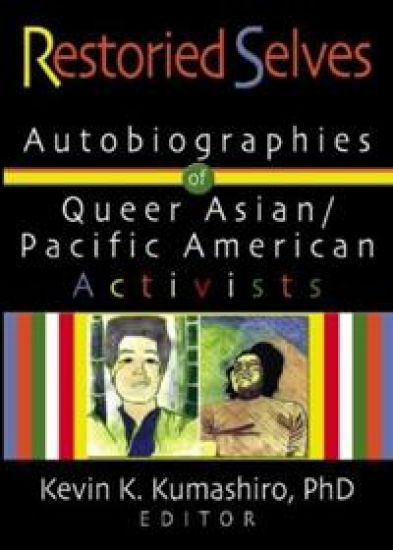
Restoried Selves: Autobiographies of Queer Asian / Pacific American Activists presents the first-person accounts of 20 activistslife stories that work against common stereotypes, shattering misconceptions and dispelling misinformation. These autobiographies challenge familial and cultural expectations and values that have traditionally forced queer Asian / Pacific Americans into silent shame because of their sexual orientation and/or ethnicity. Authors share not only their experiences growing up but also how those experiences led them to become social activists, speaking out against oppression. Many harmful untruthsor storiesabout queer Asian-Pacific Americans have been repeated so often, they are accepted as fact. Restoried Selves: Autobiographies of Queer Asian / Pacific American Activists provides a forum for voices often ignored in academic literature to re-story themselves, addressing a range of experiences that includes cultural differences and values, conflicts between different generations in a family or between different groups in a community, and difficulties and rewards of coming out. Those giving voice to their stories through narrative and other writing genres include the transgendered and intersexed, community activists, youths, and parents. The stories told in Restoried Selves: Autobiographies of Queer Asian / Pacific American Activists reflect on: personal experiencesbased on country of origin, educational background, religion, gender, and age populations served by activism, including the working poor, immigrants, adoptees, youth, women, and families different arenas of activism, including schools, governments, social services, and the Internet issues targeted by activism, including affirmative action, HIV/AIDS education, mental health, interracial relationships, and sexual violence institutions in need of change, including legal, religious, and educational entities and much more!Restoried Selves: Autobiographies of Queer Asian / Pacific American Activists is an essential read for academics and researchers working in Asian American studies, ethnic studies, gender studies, and queer studies, and for LGBTQ youth and their parents, teachers, and social service providers.
Few books have addressed research for teachers to turn to as a resource for classroom practice but here Kumashiro draws on interviews with gay activists as a starting point for discussion of models of reading and challenging oppression.