Kirjojen hintavertailu. Mukana 12 363 183 kirjaa ja 12 kauppaa.
Kirjailija
Kevin McDermott
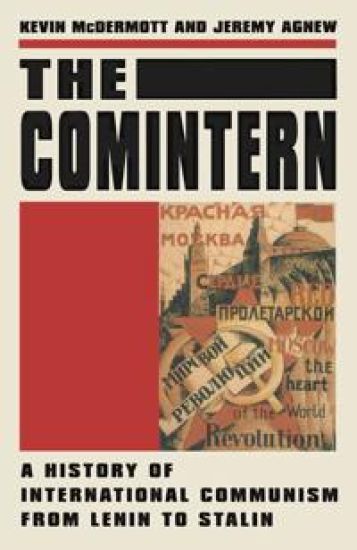
Kirjat ja teokset yhdessä paikassa: 9 kirjaa, julkaisuja vuosilta 1996-2023, suosituimpien joukossa The Comintern. Vertaile teosten hintoja ja tarkista saatavuus suomalaisista kirjakaupoista.
This accessible text provides a comprehensive narrative and interpretative account of the entire history of the Communist International, 1919-1943. By incorporating the most recent Western and Soviet research the authors explain the legendary complexities of Comintern history and chart its degeneration from a revolutionary internationalist organisation into an obedient instrument of Soviet foreign policy. Key themes include: continuities and discontinuities between the Leninist and Stalinist phases, Bolshevisation versus national traditions, and the role of leading individuals in the Comintern apparatus. A selection of documents will elucidate these central themes.
When the COVID pandemic burned across the world in 2020 the United States found itself in an unaccustomed place. A country that had always assumed its superior capacity to deal with large problems instead flailed in its response not only to the health threat posed by the virus but to the economic calamity and social unrest accompanying it. When crisis came where was leadership? Paragraph 3: Prepared Leadership in the Age of Uncertainty illuminates the how of guiding organizations and institutions in what promises to be a long era of uncertainty, of which the upheavals of the pandemic were only a taste. Paragraph 3 is not another leadership book. It is a practical guide to running organizations in an age when every operating environment will be complex, volatile and ambiguous. The interviewees in Paragraph 3 are a striking cross section of American leaders, a diverse collection of senior leaders, men and women from the military and corporate worlds--admirals and generals now working in the private sector, CEOs, a leading surgeon, technology innovators. Paragraph 3 captures their real-world lessons for finding a way forward. Paragraph 3 is a manual for the 21st Century. Advanced praise for Paragraph 3 A compelling read that takes you into the trenches with men and women who have achieved success in business, medicine, technology and the military. Paragraph 3 is the guidebook we need in the post-COVID world, where unpredictability and uncertainty are part of our everyday reality. Leaders are expected to move their teams and their organizations forward whether the path ahead is obvious or not. This book provides a roadmap to do just that. Alison Levine, author of the New York Times bestseller On the Edge: Leadership Lessons from Mount Everest and other Extreme Environments. One of the best books I have read this year. I love the thesis of Paragraph 3, which is that in a very uncertain world there are what the authors call "recombinant risks" that accelerate unpredictability. Reading the introductory essay I wanted to underline every other sentence. The authors back up their ideas with insider accounts of key moments in our recent history. Every single interview offers something powerful. Organizational success in an unpredictable reality depends on two abilities. The first is the collective intelligence to determine the right changes for the future. The second is the emotional know-how to inspire people to embark on that journey. Paragraph 3 gives you the tools to do both. A must-read for any leader. Sanyin Siang, Professor at Duke University and CEO Coach Paragraph 3 is a practical guide to running organizations in an era when every operating environment may be subject to periods of serious instability. The heart of Paragraph 3 is its collection of page-turning interviews with accomplished men and women from the military and corporate worlds. They see beyond the COVID era's overlapping crises, and beyond the fluidity of long-term disrupters like artificial intelligence. They offer us tools for working in a new kind of world. A compulsive read. Kevin O'Brien, CEO of Orbital Insight
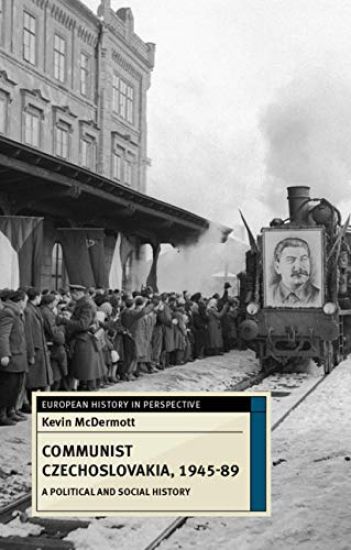
Few Europeans in the twentieth century have been subject to the repeated buffetings by foreign powers, ideologically driven transformations and internal upheaval of the Czechs and the Slovaks. The period of Communist rule was complex, and those who gleefully overthrew the regime in 1989 were the very grandchildren of those who had voted for Communism with hope in the free elections of 1946. This concise account includes both political and social history, analysing half a century of Communism from at all strata of society. Kevin McDermott is equally intrigued by those in power and ordinary citizens, asking what motivates a young Czech worker-believer to join the Communist Party in the early 1950s, enrol in the People's Militia and remain in the party during the dark years of 'normalisation', yet end up welcoming the tearing down of the Berlin Wall in 1989. Using Czech and Slovak archival sources and the most recent historiography, McDermott challenges the still dominant 'totalitarian' paradigm and argues that the forty year communist experience in Czechoslovakia cannot simply be dismissed as a Soviet-imposed aberration.
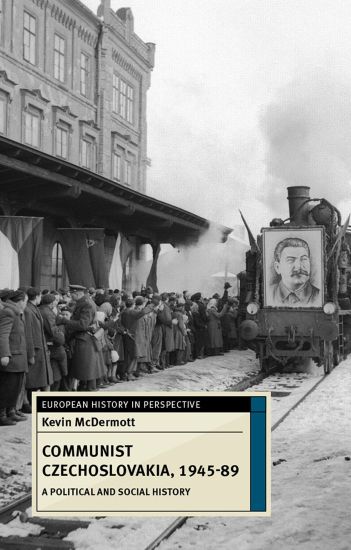
Few Europeans in the twentieth century have been subject to the repeated buffetings by foreign powers, ideologically driven transformations and internal upheaval of the Czechs and the Slovaks. The period of Communist rule was complex, and those who gleefully overthrew the regime in 1989 were the very grandchildren of those who had voted for Communism with hope in the free elections of 1946.This concise account includes both political and social history, analysing half a century of Communism from at all strata of society. Kevin McDermott is equally intrigued by those in power and ordinary citizens, asking what motivates a young Czech worker-believer to join the Communist Party in the early 1950s, enrol in the People's Militia and remain in the party during the dark years of 'normalisation', yet end up welcoming the tearing down of the Berlin Wall in 1989.Using Czech and Slovak archival sources and the most recent historiography, McDermott challenges the still dominant 'totalitarian' paradigm and argues that the forty year communist experience in Czechoslovakia cannot simply be dismissed as a Soviet-imposed aberration.
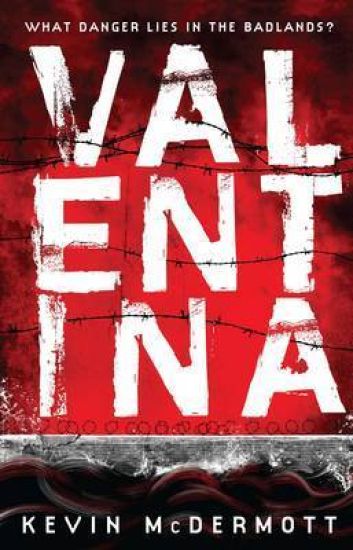
Valentina, the President’s daughter, leads a privileged life in the Citadel. At the age of 14, she has never been outside of the green zone and knows little of the Badlands or the world beyond. Refugees from all over the world have fled fire and floods to escape to Ireland, but the original Tribe despise their presence, and violence rages throughout the country. Desperate to see her older brother, a soldier with the pro-refugee group Solidarity, Valentina plans an undercover trip to the Amber Zone with her friends Pippa and Damien and government official Joshua. The experience is shocking for Valentina as she witnesses the lives of the refugees and their families. When their journey is intercepted by a military group, Val and Pippa are kidnapped and must try to escape before Val’s identity is discovered.
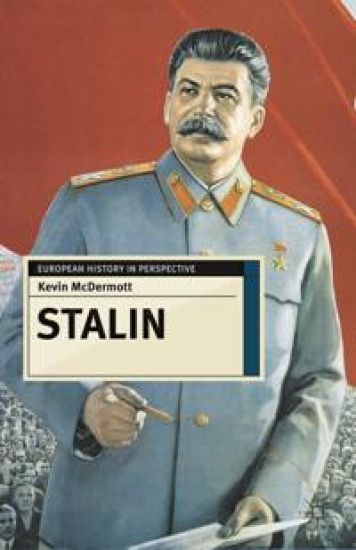
Stalin's massive impact on Soviet history is often explained in terms of his inherent evil, personality defects and power lust. While not rejecting these notions, Kevin McDermott argues that Stalin's thoughts and actions are best contextualised in the inter-relationship between war and revolution in the first half of the twentieth century. The author presents the case for taking the Soviet dictator seriously as a Marxist revolutionary whose fundamental beliefs and modus operandi were forged in the cauldron of civil and international wars, ideologically driven class wars and revolutionary upheavals associated with the 'age of catastrophe', 1914-45. Only by so doing can the complex motivations for such cataclysmic events as the Great Terror be adequately addressed.Incorporating recently declassified materials from the former Soviet Party archives, this new appraisal of Stalin also provides a critical review of the latest western and Russian historiography. It is essential reading for anyone studying the debates on one of the leading figures of Soviet history.