Kirjojen hintavertailu. Mukana 12 595 353 kirjaa ja 12 kauppaa.
Kirjailija
Kikanza Nuri-Robins
Kirjat ja teokset yhdessä paikassa: 4 kirjaa, julkaisuja vuosilta 2012-2018, suosituimpien joukossa Cultural Proficiency. Vertaile teosten hintoja ja tarkista saatavuus suomalaisista kirjakaupoista.
What leaders love most is the way Cultural Proficiency lays the groundwork for powerful organizational growth with resources to: Engage colleagues in collaborative dialogue about creating powerful teaching and learning environments Recognize and respond to both individual and group differences to break down barriers Use the Cultural Proficiency Continuum to assess the limitations of school practices and identify opportunities to shift the culture
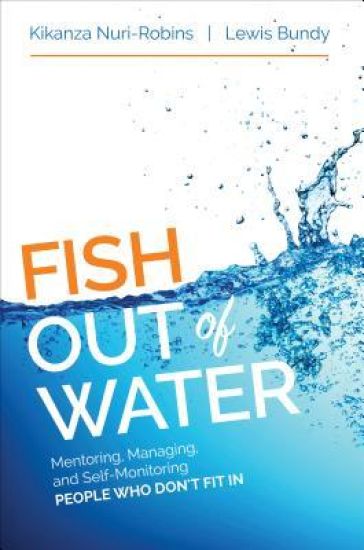
Are you creating Fish Out of Water in your environment? Oftentimes a group demands compliance with cultural codes and behavioral expectations that are never taught. Instead, the standards of this hidden curriculum are used to justify punishing, marginalizing, and excluding children and adults from the dominant culture. This book focuses on the need for and the strategies to create inclusive classrooms and organizations. What do you do when you are the one who doesn’t fit in? Fish Out of Water are those who don’t fit in the mainstream culture because they are too different from the dominant groups. This book offers tools for decoding cultures—moving from code switching to code sharing. Included are: Compelling portraits of fish out of water who have learned to survive and thrive in schools and other organizationsStrategies for working with children who are targeted and bullied because they are different For every one who has been or knows how it feels to be a Fish Out of Water, this book will help you to flourish where you are, mentor others who are different, and manage the dynamics of difference as you create a culturally proficient organization. WHAT PEOPLE ARE SAYING: "Fish Out of Water is a great resource for navigating ponds that suffocate the marginalized with dominant norms and values. Linking Cultural Proficiency to decoding an environment provides more tools for code switching, code sharing, and conversations about making students and families feel welcomed, included, and safe in our schools." —Angela Ward, Office of Cultural Proficiency & Inclusion Austin Independent Schools, TX "This book made me think. It is a courageous attempt at the difficult subject of who ‘doesn't fit’ into the spaces and places we inhabit—and why. But the most valuable part of this book is that it describes what we can do about making our schools, workplaces, and communities more inclusive, and ultimately more effective." —Nicki King, Reducing Mental Health Disparities Project University of California, Davis
High impact strategies to improve student outcomes Positive systemic change begins when school leaders elevate understanding and propel schools toward safe and diverse-friendly environments. To combat anti-gay discrimination, educators often use silence, policy, legislation and compliance. This brave book maintains that building safe and welcoming schools begins not only with effective and appropriate policy but also with inside-out analysis of one's own beliefs and values. Resulting cultural proficiencies boost empathy and improve learning environments. On this simple premise, readers will find: - Inside-out growth through personal stories and case-studies - Reflection through activities appropriate for individuals and teams - Insight through current responses to bullying
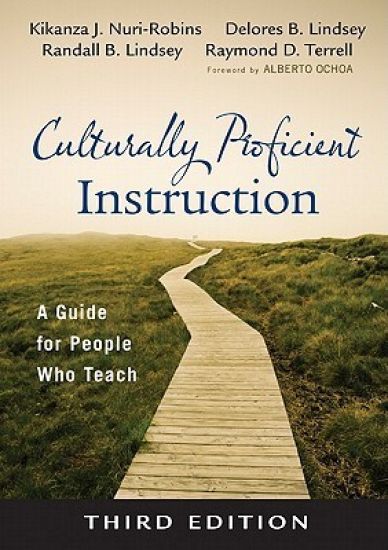
In this third edition, the authors invite you to reflect on how you influence what goes on in your classroom and how you engage with your colleagues as a community of learners. Each chapter contains reflective activities and group work to guide readers. A well-documented case study provides an opportunity for readers to experience cultural proficiency in practice. This best-seller has been extensively revised to include:New case stories and references Updated discussion of standards-based education Conceptual framework chart Expanded discussion of barriers and the microagression concept