Kirjojen hintavertailu. Mukana 12 390 323 kirjaa ja 12 kauppaa.
Kirjailija
Kim Bobo
Kirjat ja teokset yhdessä paikassa: 4 kirjaa, julkaisuja vuosilta 2011-2021, suosituimpien joukossa Women's Work. Vertaile teosten hintoja ja tarkista saatavuus suomalaisista kirjakaupoista.
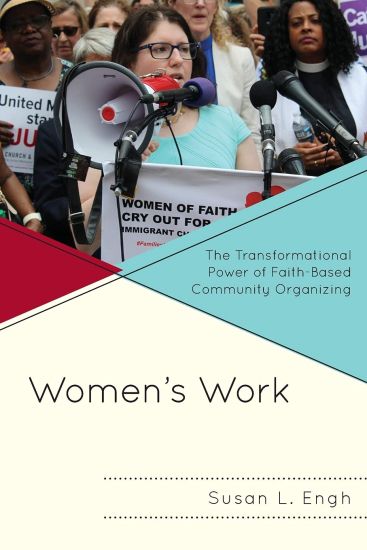
In Women’s Work: The Transformational Power of Faith-Based Community Organizing, Susan L. Engh draws on her own experiences and those of twenty-one other women who work in the field of faith-based community organizing to describe how women have been transformed by their participation in organizing, and how they have been agents of transformation in congregations, denominations, organizations, and the public arena. This book provides a basic description of faith-based community organizing through the first-person perspectives of a diverse array of women.
In Women’s Work: The Transformational Power of Faith-Based Community Organizing, Susan L. Engh draws on her own experiences and those of twenty-one other women who work in the field of faith-based community organizing to describe how women have been transformed by their participation in organizing, and how they have been agents of transformation in congregations, denominations, organizations, and the public arena. This book provides a basic description of faith-based community organizing through the first-person perspectives of a diverse array of women.
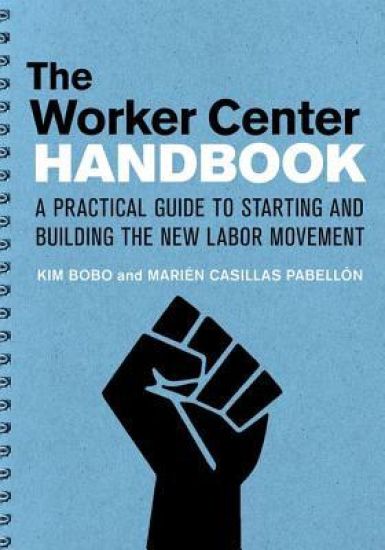
Worker centers are becoming an important element in labor and community organizing and the struggle for fair pay and decent working conditions for low-wage workers, especially immigrants. There are currently more than two hundred worker centers in the country, and more start every month. Most of these centers struggle as they try to raise funds, maintain stable staff, and build a membership base. For this book, Kim Bobo and Marién Casillas-Pabellón, two women with extensive experience supporting and leading worker centers, have interviewed staff at a broad range of worker centers with the goal of helping others understand how to start and build their organizations. This book is not theoretical, but rather is designed to be a practical workbook for staff, boards, and supporters of worker centers. Geared toward groups that want to build worker centers, this book discusses how to survey the community, take on an initial campaign, recruit leaders, and raise seed funds. Bobo and Casillas-Pabellón also provide a wealth of advice to help existing centers become stronger and more effective. The Worker Center Handbook compiles best practices from around the country on partnering with labor, enlisting the assistance of faith communities and lawyers, raising funds, developing a serious membership program, integrating civic engagement work, and running major campaigns. The authors urge center leaders to both organize and build strong administrative systems. Full of concrete examples from worker centers around the country, the handbook is practical and honest about challenges and opportunities.
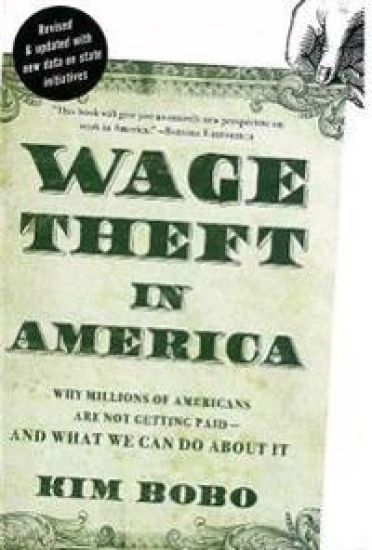
“This book will give you an entirely new perspective on work in America.” —Barbara Ehrenreich, author of Nickel and Dimed In what has been described as “the crime wave no one talks about,” billions of dollars’ worth of wages are stolen from millions of workers in the United States every year—a grand theft that exceeds every other larceny category. Even the Economic Policy Foundation, a business-funded think tank, has estimated that companies annually steal an incredible $19 billion in unpaid overtime. The scope of these abuses is staggering, but activists, unions, and policymakers—along with everyday Americans in congregations and towns across the country—have begun to take notice. While the first edition of Wage Theft In America documented the scope of the problem, this new edition adds the latest research on wage theft and tells what community, religious, and labor activists are now doing to address the crisis—from passing state and local wage-theft bills to establishing mayoral task forces and tapping agencies that help low-wage workers in spotting wage theft. Citing hard-hitting statistics and heartbreaking first-person accounts of exploitation at the hands of employers, this updated edition of Wage Theft In America offers concrete solutions and a roadmap for putting an end to this insidious practice.