
Kirjailija
Kim Huat Tan
Kirjat ja teokset yhdessä paikassa: 5 kirjaa, julkaisuja vuosilta 1997-2015, suosituimpien joukossa Mark. Vertaile teosten hintoja ja tarkista saatavuus suomalaisista kirjakaupoista.
5 kirjaa
Kirjojen julkaisuhaarukka 1997-2015.
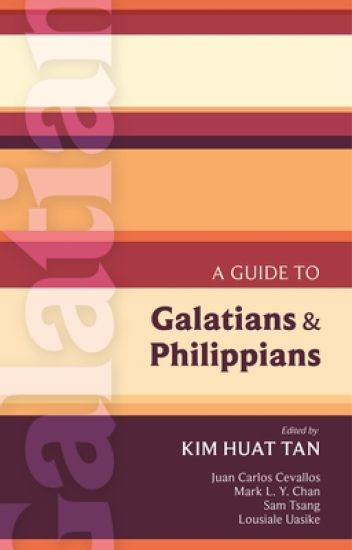
A commentary on the epistles with contextual examples and explanations aimed to facilitate the reflections of differing church traditions throughout the world. It provides background information and textual interpretation, raises interpretative questions and makes suggestions for further discussion.
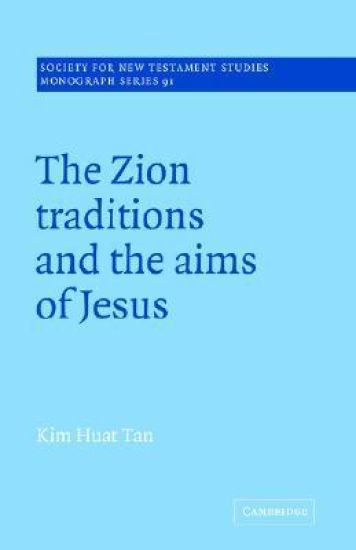
This 1997 book provides an exciting re-interpretation of the sayings and actions of Jesus. Setting him firmly in the context of first-century Judaism, it asks how important the city of Jerusalem and the theological traditions centred on it were to Jesus. At this time, Zion had become 'the symbol of the life, beliefs and hopes of all Jews'. Those Jews who expected the coming of a messianic Davidic king assumed that he would reign from Zion. Dr Tan argues that, as a prophet, Jesus was attracted inevitably to the city of Zion. Skilfully integrating what Jesus is recorded to have said with what he is recorded to have done in the last weeks of his life, Dr Tan suggests that an understanding of the importance to Jesus of the Zion traditions not only helps us to understand the unifying aim behind Jesus's ministry, but also provides us with the key to the riddle of who Jesus thought he was.
This book provides an exciting re-interpretation of the sayings and actions of Jesus. Setting him firmly in the context of first-century Judaism, it asks how important the city of Jerusalem and the theological traditions centred on it were to Jesus. At this time, Zion had become ‘the symbol of the life, beliefs and hopes of all Jews’. Those Jews who expected the coming of a messianic Davidic king assumed that he would reign from Zion. Dr Tan argues that, as a prophet, Jesus was attracted inevitably to the city of Zion. Skilfully integrating what Jesus is recorded to have said with what he is recorded to have done in the last weeks of his life, Dr Tan suggests that an understanding of the importance to Jesus of the Zion traditions not only helps us to understand the unifying aim behind Jesus’s ministry, but also provides us with the key to the riddle of who Jesus thought he was.