Kirjojen hintavertailu. Mukana 12 293 463 kirjaa ja 12 kauppaa.

Kirjailija

Kimberly Klimek

Kirjat ja teokset yhdessä paikassa: 4 kirjaa, julkaisuja vuosilta 2021-2026, suosituimpien joukossa Global Medieval Contexts 500 – 1500. Vertaile teosten hintoja ja tarkista saatavuus suomalaisista kirjakaupoista.

4 kirjaa

Kirjojen julkaisuhaarukka 2021-2026.

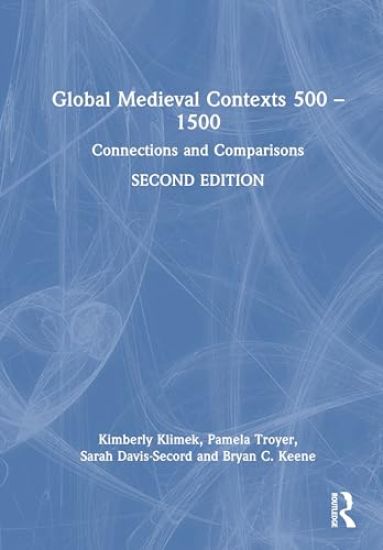
Global Medieval Contexts 500 – 1500

Global Medieval Contexts 500 – 1500

Kimberly Klimek; Pamela Troyer; Sarah Davis-Secord; Bryan C. Keene

TAYLOR FRANCIS LTD
2026
sidottu
This textbook explores vital networks and relationships among geographies and cultures that shaped medieval societies. Designed for students new to the subject, this second edition has been fully updated to include expanded coverage of Africa, the Americas, Australasia, Korea, and Jewish culture. The expert author team advances a global view of the period, introducing the reader to histories and narratives beyond a European context. A new chapter called “Perspectives” has been added which defines theoretical approaches to the material and considers changes in how we interpret history. Key Features: Divided into chronological sections, chapters are organized by four key themes: Religion, Economics, Politics, and Society. This framework enables students to connect wider ideas and debates across 500 to 1500. Individual chapters address current theoretical discussions, including issues around gender, migration, sustainable environments, race and intercultural religious spaces. The authors’ combined teaching experience and subject specialties ensure an engaging and accessible overview for students of history, literature, and those undertaking general studies courses. Full-colour maps and images illustrate chapter content and support understanding. As a result, this text is essential reading for all those interested in learning more about the histories and cultures of the period, as well as their relevance to our own contemporary experiences and perspectives. This textbook is supported by a companion website providing core resources for students and lecturers.

Global Medieval Contexts 500 – 1500

Global Medieval Contexts 500 – 1500

Kimberly Klimek; Pamela Troyer; Sarah Davis-Secord; Bryan C. Keene

TAYLOR FRANCIS LTD
2026
nidottu
This textbook explores vital networks and relationships among geographies and cultures that shaped medieval societies. Designed for students new to the subject, this second edition has been fully updated to include expanded coverage of Africa, the Americas, Australasia, Korea, and Jewish culture. The expert author team advances a global view of the period, introducing the reader to histories and narratives beyond a European context. A new chapter called “Perspectives” has been added which defines theoretical approaches to the material and considers changes in how we interpret history. Key Features: Divided into chronological sections, chapters are organized by four key themes: Religion, Economics, Politics, and Society. This framework enables students to connect wider ideas and debates across 500 to 1500. Individual chapters address current theoretical discussions, including issues around gender, migration, sustainable environments, race and intercultural religious spaces. The authors’ combined teaching experience and subject specialties ensure an engaging and accessible overview for students of history, literature, and those undertaking general studies courses. Full-colour maps and images illustrate chapter content and support understanding. As a result, this text is essential reading for all those interested in learning more about the histories and cultures of the period, as well as their relevance to our own contemporary experiences and perspectives. This textbook is supported by a companion website providing core resources for students and lecturers.
Global Medieval Contexts 500 – 1500

Global Medieval Contexts 500 – 1500

Kimberly Klimek; Pamela Troyer; Sarah Davis-Secord; Bryan Keene

Routledge
2021
sidottu
Global Medieval Contexts 500–1500: Connections and Comparisons provides a unique wide-lens introduction to world history during this period. Designed for students new to the subject, this textbook explores vital networks and relationships among geographies and cultures that shaped medieval societies. The expert author team aims to advance a global view of the period and introduce the reader to histories and narratives beyond an exclusively European context. Key Features: Divided into chronological sections, chapters are organized by four key themes: Religion, Economics, Politics, and Society. This framework enables students to connect wider ideas and debates across 500 to 1500. Individual chapters address current theoretical discussions, including issues around gender, migration, and sustainable environments. The authors’ combined teaching experience and subject specialties ensure an engaging and accessible overview for students of history, literature, and those undertaking general studies courses. Theory boxes and end-of-chapter questions provide a basis for group discussion and research. Full-color maps and images illustrate chapter content and support understanding.As a result, this text is essential reading for all those interested in learning more about the histories and cultures of the period, as well as their relevance to our own contemporary experiences and perspectives.This textbook is supported by a companion website providing core resources for students and lecturers.
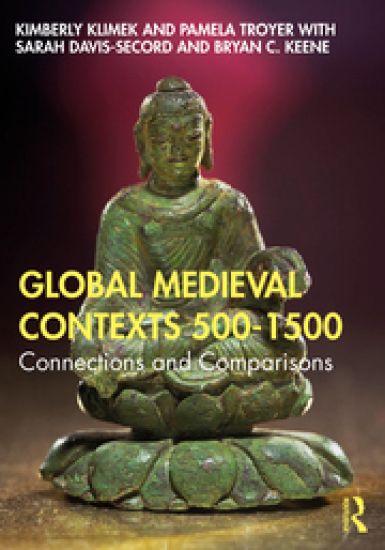
Global Medieval Contexts 500 – 1500

Global Medieval Contexts 500 – 1500

Kimberly Klimek; Pamela Troyer; Sarah Davis-Secord; Bryan Keene

Routledge
2021
nidottu
Global Medieval Contexts 500–1500: Connections and Comparisons provides a unique wide-lens introduction to world history during this period. Designed for students new to the subject, this textbook explores vital networks and relationships among geographies and cultures that shaped medieval societies. The expert author team aims to advance a global view of the period and introduce the reader to histories and narratives beyond an exclusively European context. Key Features: Divided into chronological sections, chapters are organized by four key themes: Religion, Economics, Politics, and Society. This framework enables students to connect wider ideas and debates across 500 to 1500. Individual chapters address current theoretical discussions, including issues around gender, migration, and sustainable environments. The authors’ combined teaching experience and subject specialties ensure an engaging and accessible overview for students of history, literature, and those undertaking general studies courses. Theory boxes and end-of-chapter questions provide a basis for group discussion and research. Full-color maps and images illustrate chapter content and support understanding.As a result, this text is essential reading for all those interested in learning more about the histories and cultures of the period, as well as their relevance to our own contemporary experiences and perspectives.This textbook is supported by a companion website providing core resources for students and lecturers.