Kirjojen hintavertailu. Mukana 12 657 676 kirjaa ja 12 kauppaa.

Kirjailija

Kimberly Larson

Kirjat ja teokset yhdessä paikassa: 3 kirjaa, julkaisuja vuosilta 1997-2022, suosituimpien joukossa Super Easy Ayurvedic Cleansing. Vertaile teosten hintoja ja tarkista saatavuus suomalaisista kirjakaupoista.

3 kirjaa

Kirjojen julkaisuhaarukka 1997-2022.

Super Easy Ayurvedic Cleansing

Super Easy Ayurvedic Cleansing

Kimberly Larson

New Shoe Press
2022
pokkari
Cleanse your mind and body for health and balance without deprivation or extreme measures using the traditional practice of healing Ayurveda.Cleanses can promise everything from clear skin, to zero belly fat, to increased energy, to absolute nirvana. But really—what most people need is self-care and the right nourishment, not extreme care and deprivation. Super Easy Ayurvedic Cleansing—adapted from The Simple, Healing Cleanse—is your essential guide to a traditional and accessible four-week cleanse derived from the ancient practice of Ayurveda, the sister science of yoga and an ancient medicine from India, that will restore a sense of calm to your mind and body.With 50 basic, cleansing recipes and meal-planning tips, it is easy for even those with no extra time to spend in the kitchen to commit and succeed at this 4-week cleanse. Learn how to determine your Ayurvedic type (dosha) and establish the right habits for yours; build a foundation for healthy, life-long dietary choices; bring balance to the body and mind; and cultivate vibrant health. Super Easy Ayurvedic Cleansing will guide you through simple ways to give your digestive system a break, simplify your diet without crazy, unhealthy restrictions, and find lightness, clarity, and ease in your everyday.This essential guide to Ayurvedic cleansing includes:How Ayurveda works—From yoga and meditation to astrology and self-massage, you will discover how Ayurveda works, its principles, what to expect in a consultation, and how to further the benefits of this holistic practice.How to determine your Ayurvedic mind-body type, or dosha—Identify your dosha and learn how to set up your cleanse to match your type for the best results.Easy-to-understand format for the absolute beginner—Free of complicated jargon, find simple explanations and easy-to-make cleansing recipes with simple ingredients offering a range of seasonal variations, categorized by the common Aryuvedic body types.Next steps—The book includes tips to begin the cleanse and to safely reincorporate foods and practices into your life once the four weeks end.Discover the benefits of this ancient practice that, through a combination of science and philosophy, has been used for over 3,000 years to achieve optimum well-being.
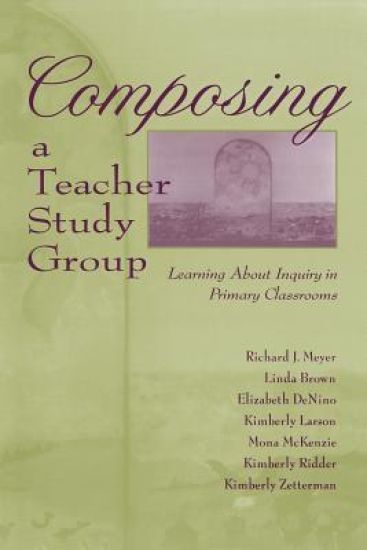
Composing a Teacher Study Group

Composing a Teacher Study Group

Richard J. Meyer; With Linda Brown; Elizabeth DeNino; Kimberly Larson; Mona McKenzie

Routledge Member of the Taylor and Francis Group
1997
sidottu
There has been a flurry of writing about teachers as inquirers and researchers as well as books about children as inquirers. This volume brings these two areas together -- teachers and students are inquiring at Ridgeway Elementary School. It demonstrates the importance of thought collectives as forums for student and teacher learning. The children in the primary classrooms in this book are working to understand the world around them and their place in it as literate individuals. Their teachers are studying themselves and the students. No other book describes the way this work affects children, teachers, and the ethos of the school in which the work occurs. In that sense, this book is groundbreaking in that it is an honest portrayal of the joys and sorrows, the successes and the stumbling blocks, the clear vision, and the obfuscating that teachers live as they enact a life of asking questions, being curious, wandering, and wondering. Acknowledging and honoring the many faces of inquiry in schools, this book demonstrates the children's inquiry, their teachers' inquiry, and the place of that inquiry in schools. It lays out the ways in which inquiry is fundamental to teaching and learning in a democracy in which all of the members of the community have a voice in deciding curricular directions and ways of presenting learning. Teachers are presented as thinkers and learners, not merely as technicians enacting others' views of what is to be learned and when. Readers will find teachers dealing with the real issues of life in schools; they will see how teachers can use their existing situations as points of departure for their growth and their students' learning.
Composing a Teacher Study Group

Composing a Teacher Study Group

Richard J. Meyer; With Linda Brown; Elizabeth DeNino; Kimberly Larson; Mona McKenzie

Routledge Member of the Taylor and Francis Group
1997
nidottu
There has been a flurry of writing about teachers as inquirers and researchers as well as books about children as inquirers. This volume brings these two areas together -- teachers and students are inquiring at Ridgeway Elementary School. It demonstrates the importance of thought collectives as forums for student and teacher learning. The children in the primary classrooms in this book are working to understand the world around them and their place in it as literate individuals. Their teachers are studying themselves and the students. No other book describes the way this work affects children, teachers, and the ethos of the school in which the work occurs. In that sense, this book is groundbreaking in that it is an honest portrayal of the joys and sorrows, the successes and the stumbling blocks, the clear vision, and the obfuscating that teachers live as they enact a life of asking questions, being curious, wandering, and wondering. Acknowledging and honoring the many faces of inquiry in schools, this book demonstrates the children's inquiry, their teachers' inquiry, and the place of that inquiry in schools. It lays out the ways in which inquiry is fundamental to teaching and learning in a democracy in which all of the members of the community have a voice in deciding curricular directions and ways of presenting learning. Teachers are presented as thinkers and learners, not merely as technicians enacting others' views of what is to be learned and when. Readers will find teachers dealing with the real issues of life in schools; they will see how teachers can use their existing situations as points of departure for their growth and their students' learning.