Kirjojen hintavertailu. Mukana 12 183 836 kirjaa ja 12 kauppaa.

Kirjailija

Kimberly M. Williams

Kirjat ja teokset yhdessä paikassa: 5 kirjaa, julkaisuja vuosilta 1998-2021, suosituimpien joukossa Socially Constructed School Violence. Vertaile teosten hintoja ja tarkista saatavuus suomalaisista kirjakaupoista.

5 kirjaa

Kirjojen julkaisuhaarukka 1998-2021.

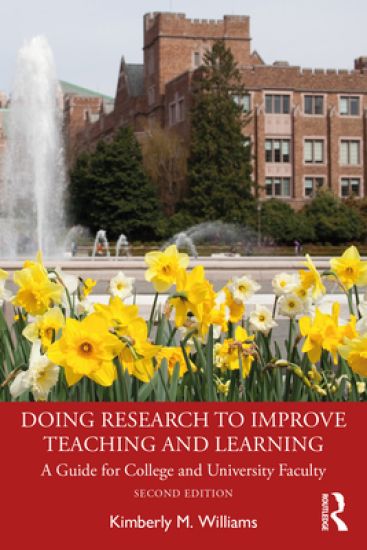
Doing Research to Improve Teaching and Learning
In this rapidly changing teaching and learning environment, one of the most promising ways for faculty at institutions of higher education to improve their teaching is to capitalize upon their skills as researchers. This book is a step-by-step guide for doing research to inform and improve teaching and learning.With background and instruction about how to engage in these methodologies—including historical analyses, qualitative, quantitative and mixed methods—the second edition of Doing Research to Improve Teaching and Learning discusses a process of working collaboratively and reflectively to improve one’s teaching craft. Full of updated, authentic examples from research studies, student work and instructor reflections, this valuable resource equips faculty with the skills to collect and use data and evidence-based instructional methods in any college and university classroom.
Doing Research to Improve Teaching and Learning
In this rapidly changing teaching and learning environment, one of the most promising ways for faculty at institutions of higher education to improve their teaching is to capitalize upon their skills as researchers. This book is a step-by-step guide for doing research to inform and improve teaching and learning.With background and instruction about how to engage in these methodologies—including historical analyses, qualitative, quantitative and mixed methods—the second edition of Doing Research to Improve Teaching and Learning discusses a process of working collaboratively and reflectively to improve one’s teaching craft. Full of updated, authentic examples from research studies, student work and instructor reflections, this valuable resource equips faculty with the skills to collect and use data and evidence-based instructional methods in any college and university classroom.
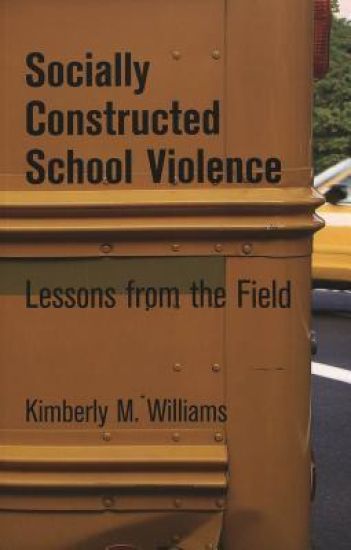
Socially Constructed School Violence

Socially Constructed School Violence

Kimberly M. Williams

Peter Lang Publishing Inc
2005
nidottu
"Socially Constructed School Violence: Lessons from the Field" argues that the way we understand what constitutes violence is socially constructed, and that people from different social locations, that is, gender, race, social class, geographic location, and so on, will have varied perspectives on what is violent. Based on ethnographic work at an urban alternative school for students expelled for bringing weapons to school and an affluent suburban school eighteen miles away, this book describes various ways violence can be constructed. Specifically, this book discusses personal and structural forms of violence that students, teachers, administrators, and other school staff encounter. Using powerful examples from the ethnographic analysis, this book describes some of the valuable lessons learned about how we can work to prevent school violence.
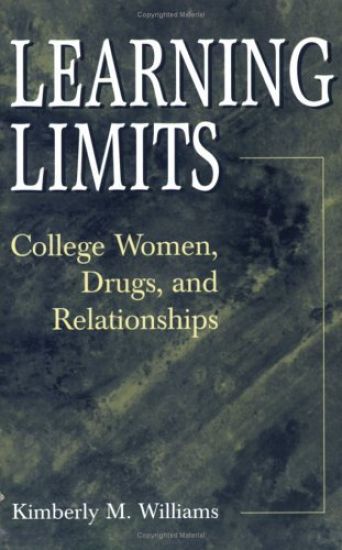
Learning Limits

Learning Limits

Kimberly M. Williams

Praeger Publishers Inc
2000
nidottu
Nearly all studies of drug use and abuse approach the questions quantitatively without listening to the experiences of individuals living in cultures where drug use is notoriously problematic. This study offers new insight into the drug problem on college campuses by hearing directly from the women who experience it. The notion of the individualized drug acceptability ranking is a new concept that has not been previously developed. According to the findings of this study, college women do not typically use drugs simply for the sake of taking drugs. Drug use was viewed as a part of relationships, and for some of these women, a very important part. Within their relationships, these women socially constructed drugs in traditional (i.e., using discourses of morality, legality, and health/personal safety) ways. They also tended to arrange drugs hierarchically—they created what the author labels an individualized drug acceptability ranking that helped them determine their drug using limits. This study suggests that the decisions to use drugs are more complicated than previous literature has suggested. Studies attempting to find correlations between college student drug use, personality traits of drug abusers, gender differences, racial differences, parental influences and educational influences continue to dominate the literature on college student drug use. This book provides a starting point and an invitation to listen to more voices to determine other factors that influence one's drug using decisions.
Learning Limits

Learning Limits

Kimberly M. Williams

Praeger Publishers Inc
1998
sidottu
According to the findings of this study, college women do not typically use drugs simply for the sake of taking drugs. Drug use was viewed as a part of relationships, and for some of these women, a very important part. Within their relationships, these women socially constructed drugs in traditional (i.e., using discourses of morality, legality, and health/personal safety) ways. They also tended to arrange drugs hierarchically—they created what the author labels an individualized drug acceptability ranking that helped them determine their drug using limits.This study suggests that the decisions to use drugs are more complicated than previous literature has suggested. Studies attempting to find correlations between college student drug use, personality traits of drug abusers, gender differences, racial differences, parental influences and educational influences continue to dominate the literature on college student drug use. This book provides a starting point and an invitation to listen to more voices to determine other factors that influence one's drug using decisions.