Kirjojen hintavertailu. Mukana 12 595 353 kirjaa ja 12 kauppaa.

Kirjailija

Kinohi Nishikawa

Kirjat ja teokset yhdessä paikassa: 3 kirjaa, julkaisuja vuosilta 2019-2023, suosituimpien joukossa Lover Man. Vertaile teosten hintoja ja tarkista saatavuus suomalaisista kirjakaupoista.

3 kirjaa

Kirjojen julkaisuhaarukka 2019-2023.

Lover Man

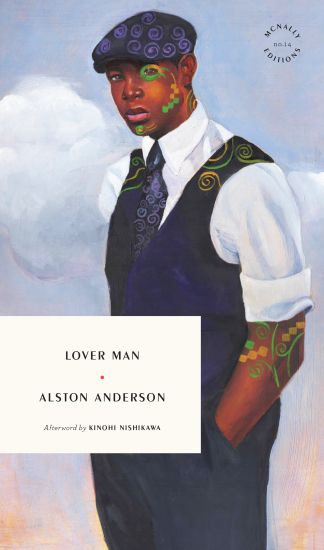
Lover Man

Alston Anderson; Kinohi Nishikawa

McNally Jackson Books
2023
nidottu
Stories of loners, outsiders, tricksters, addicts, jazzmen, and drifters in the Jim Crow South—a classic of 1950s Black fiction. Raw, fearless, ironic, the stories in Lover Man (1958) promised the birth of a new sensibility in American fiction. Inspired by the bebop he loved, and the philosophy he studied at the Sorbonne, Alston Anderson looked back at the North Carolina of his youth to capture the hidden lives of Black boys and men in the early 1940s. Fascinated by loners and outsiders—tricksters, addicts, jazzmen, drifters, “queers”—and by the spiritual cost exacted by the myths of white supremacy, Anderson assembled an original kind of story collection, whose themes troubled and bewildered many of his early readers. Although later championed by Langston Hughes and Henry Louis Gates. Jr., among others, this—his only collection—has remained out of print since the ’50s. In his afterword to this new edition, the literary historian Kinohi Nishikawa investigates Anderson’s pief but pilliant career, the controversy his work provoked, and the light it sheds on his era.
Street Players

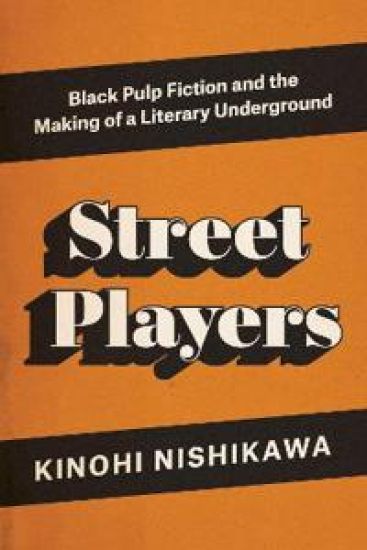
Street Players

Kinohi Nishikawa

University of Chicago Press
2019
nidottu
The uncontested center of the black pulp fiction universe for more than four decades was the Los Angeles publisher Holloway House. From the late 1960s until it closed in 2008, Holloway House specialized in cheap paperbacks with page-turning narratives featuring black protagonists in crime stories, conspiracy thrillers, prison novels, and Westerns. From Iceberg Slim’s Pimp to Donald Goines’s Never Die Alone, the thread that tied all of these books together—and made them distinct from the majority of American pulp—was an unfailing veneration of black masculinity. Zeroing in on Holloway House, Street Players explores how this world of black pulp fiction was produced, received, and recreated over time and across different communities of readers.Kinohi Nishikawa contends that black pulp fiction was built on white readers’ fears of the feminization of society—and the appeal of black masculinity as a way to counter it. In essence, it was the original form of blaxploitation: a strategy of mass-marketing race to suit the reactionary fantasies of a white audience. But while chauvinism and misogyny remained troubling yet constitutive aspects of this literature, from 1973 onward, Holloway House moved away from publishing sleaze for a white audience to publishing solely for black readers. The standard account of this literary phenomenon is based almost entirely on where this literature ended up: in the hands of black, male, working-class readers. When it closed, Holloway House was synonymous with genre fiction written by black authors for black readers—a field of cultural production that Nishikawa terms the black literary underground. But as Street Players demonstrates, this cultural authenticity had to be created, promoted, and in some cases made up, and there is a story of exploitation at the heart of black pulp fiction’s origins that cannot be ignored.
Street Players

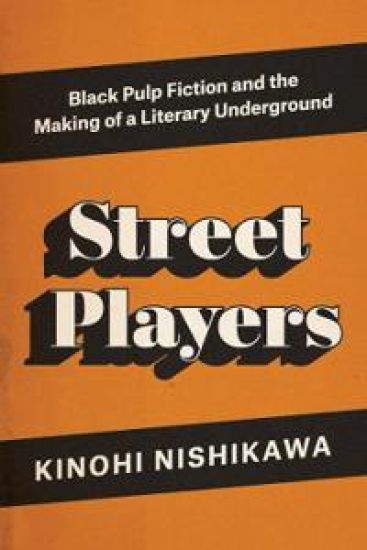
Street Players

Kinohi Nishikawa

University of Chicago Press
2019
sidottu
The uncontested center of the black pulp fiction universe for more than four decades was the Los Angeles publisher Holloway House. From the late 1960s until it closed in 2008, Holloway House specialized in cheap paperbacks with page-turning narratives featuring black protagonists in crime stories, conspiracy thrillers, prison novels, and Westerns. From Iceberg Slim’s Pimp to Donald Goines’s Never Die Alone, the thread that tied all of these books together—and made them distinct from the majority of American pulp—was an unfailing veneration of black masculinity. Zeroing in on Holloway House, Street Players explores how this world of black pulp fiction was produced, received, and recreated over time and across different communities of readers.Kinohi Nishikawa contends that black pulp fiction was built on white readers’ fears of the feminization of society—and the appeal of black masculinity as a way to counter it. In essence, it was the original form of blaxploitation: a strategy of mass-marketing race to suit the reactionary fantasies of a white audience. But while chauvinism and misogyny remained troubling yet constitutive aspects of this literature, from 1973 onward, Holloway House moved away from publishing sleaze for a white audience to publishing solely for black readers. The standard account of this literary phenomenon is based almost entirely on where this literature ended up: in the hands of black, male, working-class readers. When it closed, Holloway House was synonymous with genre fiction written by black authors for black readers—a field of cultural production that Nishikawa terms the black literary underground. But as Street Players demonstrates, this cultural authenticity had to be created, promoted, and in some cases made up, and there is a story of exploitation at the heart of black pulp fiction’s origins that cannot be ignored.