Kirjojen hintavertailu. Mukana 12 390 323 kirjaa ja 12 kauppaa.

Kirjailija

Kofi A. Annan

Kirjat ja teokset yhdessä paikassa: 10 kirjaa, julkaisuja vuosilta 2000-2018, suosituimpien joukossa UN Ideas That Changed the World. Vertaile teosten hintoja ja tarkista saatavuus suomalaisista kirjakaupoista.

10 kirjaa

Kirjojen julkaisuhaarukka 2000-2018.

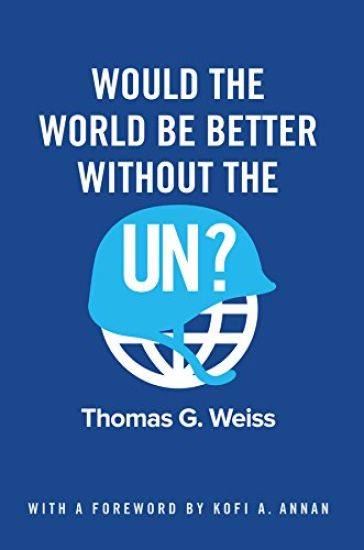
Would the World Be Better Without the UN?

Would the World Be Better Without the UN?

Thomas G. Weiss; Kofi A. Annan

Polity Press
2018
sidottu
Do we need the United Nations? Where would the contemporary world be without its largest intergovernmental organization? And where could it be had the UN’s member states and staff performed better?These fundamental questions are explored by the leading analyst of UN history and politics, Thomas G. Weiss, in this hard-hitting, authoritative book. While counterfactuals are often dismissed as academic contrivances, they can serve to focus the mind; and here, Weiss uses them to ably demonstrate the pluses and minuses of multilateral cooperation. He is not shy about UN achievements and failures drawn from its ideas and operations in its three substantive pillars of activities: international peace and security; human rights and humanitarian action; and sustainable development. But, he argues, the inward-looking and populist movements in electoral politics worldwide make robust multilateralism more not less compelling. The selection of António Guterres as the ninth UN secretary-general should rekindle critical thinking about the potential for international cooperation. There is a desperate need to reinvigorate and update rather than jettison the United Nations in responding to threats from climate change to pandemics, from proliferation to terrorism. Weiss tells you why and how.
Would the World Be Better Without the UN?

Would the World Be Better Without the UN?

Thomas G. Weiss; Kofi A. Annan

Polity Press
2018
nidottu
Do we need the United Nations? Where would the contemporary world be without its largest intergovernmental organization? And where could it be had the UN’s member states and staff performed better?These fundamental questions are explored by the leading analyst of UN history and politics, Thomas G. Weiss, in this hard-hitting, authoritative book. While counterfactuals are often dismissed as academic contrivances, they can serve to focus the mind; and here, Weiss uses them to ably demonstrate the pluses and minuses of multilateral cooperation. He is not shy about UN achievements and failures drawn from its ideas and operations in its three substantive pillars of activities: international peace and security; human rights and humanitarian action; and sustainable development. But, he argues, the inward-looking and populist movements in electoral politics worldwide make robust multilateralism more not less compelling. The selection of António Guterres as the ninth UN secretary-general should rekindle critical thinking about the potential for international cooperation. There is a desperate need to reinvigorate and update rather than jettison the United Nations in responding to threats from climate change to pandemics, from proliferation to terrorism. Weiss tells you why and how.
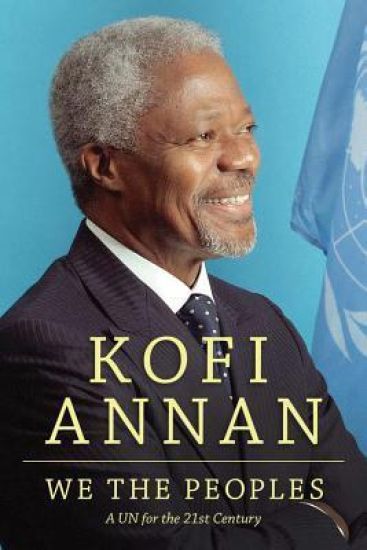
We the Peoples

We the Peoples

Kofi A. Annan

Paradigm
2014
sidottu
During his momentous time as Secretary-General of the UN, Kofi Annan played a decisive role in launching the Millennium Development Goals, establishing the International Criminal Court, and articulating the Responsibility to Protect as a guiding principle for international action. In 2001 - just after 9/11 - he and the UN jointly received the Nobel Peace Prize, 'for their work for a better organized and more peaceful world.' These and other crucial events - including the crises over Kosovo and East Timor, and the war in Iraq - are encapsulated in this book of Kofi Annan's key speeches from throughout his term of office. The selection gives a broad view of Annan's most pressing concerns, and the eloquence with which he addressed them. Covering subjects from development, health, and climate change to the prevention of genocide and the ideal of diversity, these statements show how deeply involved the UN was in the most important issues of the era. We the Peoples is a timely and much-needed reminder of Annan's ideas and priorities; his words on war, peace, humanity, and 'man's inhumanity to man' still resonate today. This book will offer many pointers for maintaining and developing the UN as a vital instrument for humanity in the coming decades.
UN Ideas That Changed the World

UN Ideas That Changed the World

Richard Jolly; Louis Emmerij; Thomas G. Weiss; Kofi A. Annan

Indiana University Press
2009
pokkari
Ideas and concepts have been a driving force in human progress, and they may be the most important legacy of the United Nations. UN ideas have set past, present, and future international agendas in many global economic and social arenas and have also led to initiatives and actions that have improved the quality of human life. This capstone volume draws upon findings of the other 14 books in the acclaimed United Nations Intellectual History Project Series. The authors not only assess the development and implementation of UN ideas regarding sustainable economic development and human security, but also apply lessons learned to suggest ways in which the United Nations can play a fuller role in confronting the challenges of human survival with dignity in the 21st century.
Secretary or General?

Secretary or General?

Kofi A. Annan

Cambridge University Press
2007
sidottu
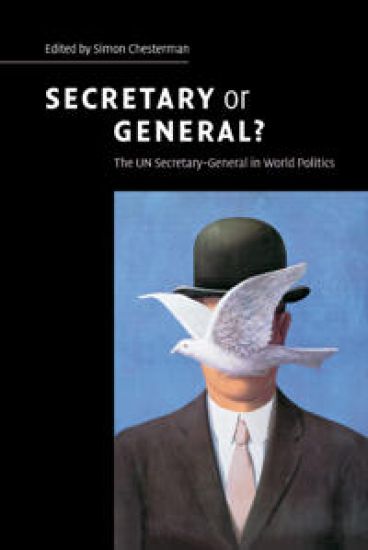
The Secretary-General of the United Nations is a unique figure in world politics. At once civil servant, the world's diplomat, lackey of the UN Security Council, and commander-in-chief of up to a hundred thousand peacekeepers, he or she depends on states for both the legitimacy and resources that enable the United Nations to function. The tension between these roles - of being secretary or general - has challenged every incumbent. This book brings together the insights of senior UN staff, diplomats and scholars to examine the normative and political factors that shape this unique office with particular emphasis on how it has evolved in response to changing circumstances such as globalization and the onset of the 'war on terror'. The difficulties experienced by each Secretary-General reflect the profound ambivalence of states towards entrusting their security, interests or resources to an intergovernmental body.
Secretary or General?

Secretary or General?

Kofi A. Annan

Cambridge University Press
2007
pokkari
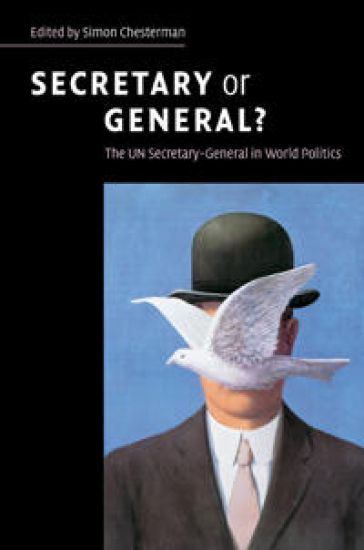
The Secretary-General of the United Nations is a unique figure in world politics. At once civil servant, the world's diplomat, lackey of the UN Security Council, and commander-in-chief of up to a hundred thousand peacekeepers, he or she depends on states for both the legitimacy and resources that enable the United Nations to function. The tension between these roles - of being secretary or general - has challenged every incumbent. This book brings together the insights of senior UN staff, diplomats and scholars to examine the normative and political factors that shape this unique office with particular emphasis on how it has evolved in response to changing circumstances such as globalization and the onset of the 'war on terror'. The difficulties experienced by each Secretary-General reflect the profound ambivalence of states towards entrusting their security, interests or resources to an intergovernmental body.
The Media and the Rwanda Genocide

The Media and the Rwanda Genocide

Kofi A. Annan

Pluto Press
2007
pokkari
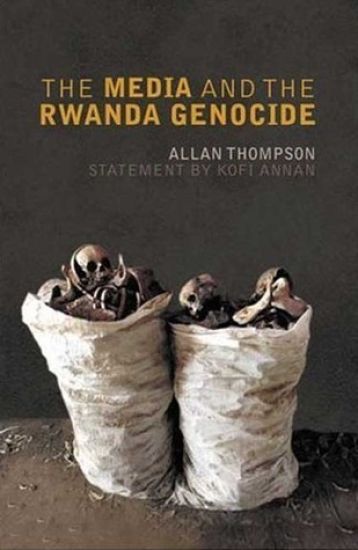
The news media played a crucial role in the 1994 Rwanda genocide: local media fuelled the killings, while the international media either ignored or seriously misconstrued what was happening. This is the first book to explore both sides of that media equation. The book examines how local radio and print media were used as a tool of hate by encouraging neighbours to turn against each other. It also presents a critique of international media coverage of the cataclysmic events in Rwanda. Bringing together local reporters and commentators from Rwanda, high-profile Western journalists and leading media theorists, this is the only book to identify and probe the extent of the media's accountability. It also examines deliberations by the International Criminal Tribunal for Rwanda on the role of the media in the genocide. In writing this startling record of the dangerous negative influence that the media can have, when used as a political tool or when news organisations and journalists fail to live up to their responsibilities, the authors put forward suggestions for the future; outlining how we can avoid censorship and propaganda, and arguing for a new responsibility in media reporting.
The Turbulent Decade

The Turbulent Decade

Sadako N. Ogata; Kofi A. Annan

WW Norton Co
2006
nidottu
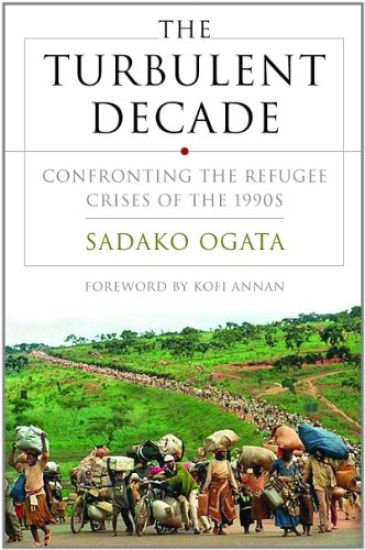
The end of the cold war and the loosening grip of superpower influence resulted in the proliferation of political, ethnic, tribal and religious rivalries. This work presents an account of the author's UN experience, focusing on four crises in which she directed relief - Northern Iraq, the Balkans, the African Great Lakes region and Afghanistan.
World Atlas of Great Apes and their Conservation

World Atlas of Great Apes and their Conservation

Julian Caldecott; Lera Miles; Kofi A. Annan

University of California Press
2005
sidottu
Despite the dedicated efforts of many individuals and organizations, the great apes - our closest living relatives - are on the very edge of extinction. This sweeping atlas provides a comprehensive overview of what is currently known about all six species of great apes - chimpanzee, bonobo, Sumatran orangutan, Bornean orangutan, eastern gorilla, and western lowland gorilla. Created in association with The Great Apes Survival Project (GRASP), this book gives a thorough background on ape behavior and ecology for each species, including detailed habitat requirements, the apes' ecological role, and the possible consequences of their decline. "World Atlas of Great Apes" also offers a full description of the threats, current conservation efforts, and additional protection needed for each species across its entire range. Many full-color maps and illustrations make the abundance of information accessible to a broad readership, from specialists and policymakers to general readers concerned about the survival of these charismatic primates. This book represents the work of a dynamic alliance of many of the world's leading great ape research and conservation organizations. Bringing together United Nations agencies, governments, foundations, and private-sector interests, the project aims to raise the international profile of great ape conservation and to build the political will for further action. Readers learn about work being done by specific organizations in support of great ape conservation, and where conservation is most needed and most likely to be effective. This title covers all six species of great apes and provides the most up-to-date and comprehensive data available. It features more than 150 full-color photos and more than 50 full-color maps and diagrams. It is co-published by UNEP-WCMC. Royalties from the sale of this book will support the efforts of the conservation of the Great Apes Survival Project.