Kirjojen hintavertailu. Mukana 12 541 750 kirjaa ja 12 kauppaa.

Kirjailija

Kristin B. Aavitsland

Kirjat ja teokset yhdessä paikassa: 2 kirjaa, julkaisuja vuosilta 2012-2017, suosituimpien joukossa Imagining the Human Condition in Medieval Rome. Vertaile teosten hintoja ja tarkista saatavuus suomalaisista kirjakaupoista.

2 kirjaa

Kirjojen julkaisuhaarukka 2012-2017.

Imagining the Human Condition in Medieval Rome

Imagining the Human Condition in Medieval Rome

Kristin B. Aavitsland

Routledge
2017
nidottu
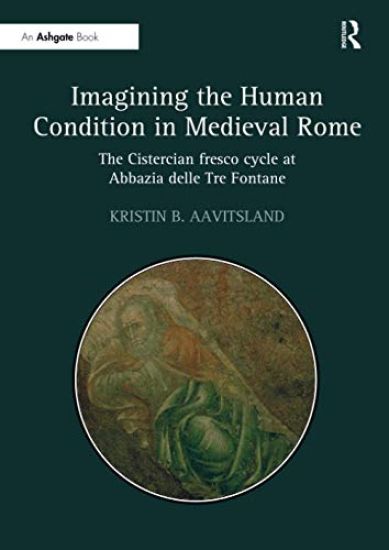
The first monograph on the Vita Humana cycle at Tre Fontane, this book includes an overview of the medieval history of the Roman Cistercian abbey and its architecture, as well as a consideration of the political and cultural standing of the abbey both within Papal Rome and within the Cistercian order. Furthermore, it considers the commission of the fresco cycle, the circumstances of its making, and its position within the art historical context of the Roman Duecento. Examining the unusual blend of images in the Vita Humana cycle, this study offers a more nuanced picture of the iconographic repertoire of medieval art. Since the discovery of the frescoes in the 1960s, the iconographic programme of the cycle has remained mysterious, and an adequate analysis of the Vita Humana cycle as a whole has so far been lacking. Kristin B. Aavitsland covers this gap in the scholarship on Roman art circa 1300, and also presents the first interpretative discussion of the frescoes that is up-to-date with the architectural investigations undertaken in the monastery around 2000. Aavitsland proposes a rationale behind the conception of the fresco cycle, thereby providing a key for understanding its iconography and shedding new light on thirteenth-century Cistercian culture.
Imagining the Human Condition in Medieval Rome

Imagining the Human Condition in Medieval Rome

Kristin B. Aavitsland

Ashgate Publishing Limited
2012
sidottu
The first monograph on the Vita Humana cycle at Tre Fontane, this book includes an overview of the medieval history of the Roman Cistercian abbey and its architecture, as well as a consideration of the political and cultural standing of the abbey both within Papal Rome and within the Cistercian order. Furthermore, it considers the commission of the fresco cycle, the circumstances of its making, and its position within the art historical context of the Roman Duecento. Examining the unusual blend of images in the Vita Humana cycle, this study offers a more nuanced picture of the iconographic repertoire of medieval art. Since the discovery of the frescoes in the 1960s, the iconographic programme of the cycle has remained mysterious, and an adequate analysis of the Vita Humana cycle as a whole has so far been lacking. Kristin B. Aavitsland covers this gap in the scholarship on Roman art circa 1300, and also presents the first interpretative discussion of the frescoes that is up-to-date with the architectural investigations undertaken in the monastery around 2000. Aavitsland proposes a rationale behind the conception of the fresco cycle, thereby providing a key for understanding its iconography and shedding new light on thirteenth-century Cistercian culture.