Kirjojen hintavertailu. Mukana 12 595 353 kirjaa ja 12 kauppaa.

Kirjailija

Kristin Komives

Kirjat ja teokset yhdessä paikassa: 2 kirjaa, julkaisuja vuosilta 2005-2009, suosituimpien joukossa Residential Electricity Subsidies in Mexico. Vertaile teosten hintoja ja tarkista saatavuus suomalaisista kirjakaupoista.

2 kirjaa

Kirjojen julkaisuhaarukka 2005-2009.

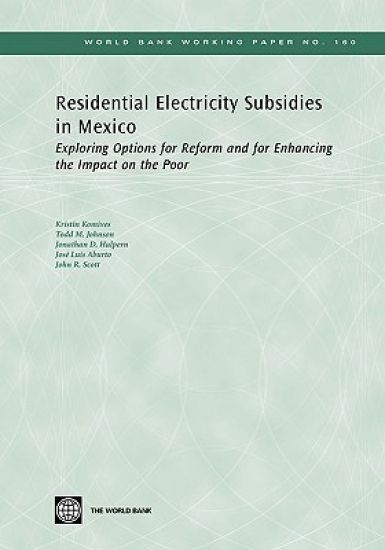
Residential Electricity Subsidies in Mexico

Residential Electricity Subsidies in Mexico

Kristin Komives; Todd M. Johnson; Jonathan D. Halpern; Jose Luis Aburto

World Bank Publications
2009
nidottu
Large and growing subsidies to residential consumers in Mexico have become a major policy concern. This report explains the growth of subsidies, the current distribution of subsidies across income classes, and uses utility and household survey data to simulate how alternative subsidy mechanisms could improve distributional and fiscal performance. The goal is to help inform discussion in Mexico about how to reduce subsidies and redirect them toward the poor. The findings also offer lessons for other countries that are planning tariff reforms in their electricity sectors.
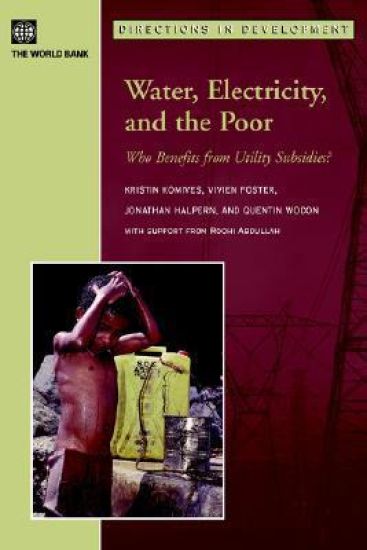
Water, Electricity, and the Poor

Water, Electricity, and the Poor

Kristin Komives; Vivien Foster; Jonathan Halpern; Quentin Wodon

World Bank Publications
2005
nidottu
While consumer utility subsidies are widespread in both the water and electricity sectors, their effectiveness in reaching and distributing resources to the poor is the subject of much debate. Water, Electricity, and the Poor brings together empirical evidence on subsidy performance across a wide range of countries. It documents the prevalence of consumer subsidies, provides a typology of the many variants found in the developing world, and presents a number of indicators useful in assessing the degree to which such subsidies benefit the poor, focusing on three key concepts: beneficiary incidence, benefit incidence, and materiality. The findings on subsidy performance will be useful to policy makers, utility regulators, and sector practitioners who are contemplating introducing, eliminating, or modifying utility subsidies, and to those who view consumer utility subsidies as a social protection instrument.