Kirjojen hintavertailu. Mukana 12 390 323 kirjaa ja 12 kauppaa.

Kirjailija

Kristin Lené Hole

Kirjat ja teokset yhdessä paikassa: 6 kirjaa, julkaisuja vuosilta 2015-2026, suosituimpien joukossa Towards a Feminist Cinematic Ethics. Vertaile teosten hintoja ja tarkista saatavuus suomalaisista kirjakaupoista.

Mukana myös kirjoitusasut: Kristin Lene Hole

6 kirjaa

Kirjojen julkaisuhaarukka 2015-2026.

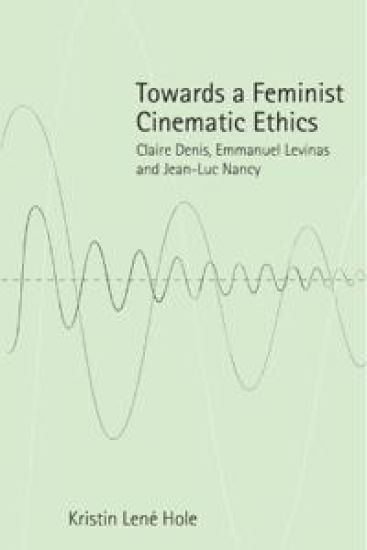
Towards a Feminist Cinematic Ethics

Towards a Feminist Cinematic Ethics

Kristin Lené Hole

EDINBURGH UNIVERSITY PRESS
2026
nidottu
Towards a Feminist Cinematic Ethics develops an account of non-normative ethics that can be used to think about filmmaking and viewing, using two philosophers—Emmanuel Levinas and Jean-Luc Nancy, and the work of filmmaker Claire Denis. In an accessible and engaging manner, it offers new readings of Denis’ films, situating them within larger feminist, postcolonial and queer debates about identity and difference. Using a generative methodology, the book works towards a mutually challenging and productive relationship between cinematic ideas and philosophical concepts.
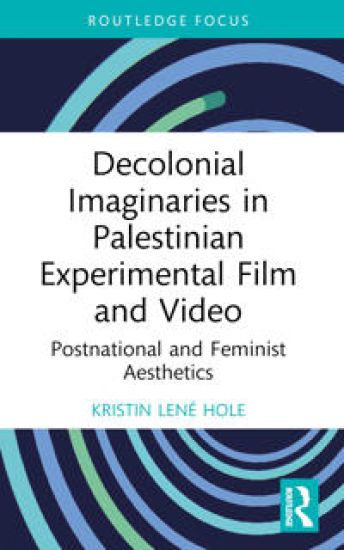
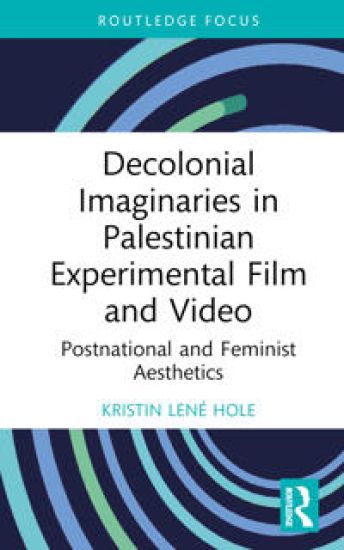
Decolonial Imaginaries in Palestinian Experimental Film and Video
Decolonial Imaginaries in Palestinian Experimental Film and Video focuses on an underexamined group of female Palestinian filmmakers, highlighting their relevance for thinking through a diverse set of issues relating to decolonial aesthetics, post-nationalism and gender, non-Western ecologies, trauma and memory, diasporic experiences of space, biopolitics, feminist historiography and decolonial temporalities. Positing that these filmmaker-artists radically counter dominant media images of Palestinians, deessentializing Palestinian identity while opening up history and the present to new potentialities and ways of imagining Palestinian futures, Decolonial Imaginaries in Palestinian Experimental Film and Video argues that Palestinian experience is urgently relevant to all of us. As the works address issues of food availability and land use, environmental collapse and forced displacement, Hole explores how such films generate hope, imagine impossible possibilities and offer inspiration and wisdom when it comes to losing and rebuilding. Addressing a fundamentally transnational and understudied area, this book will resonate with readers working in the areas of film and media studies, Palestinian cultural studies, historiography, Middle East studies and experimental film.
Decolonial Imaginaries in Palestinian Experimental Film and Video
Decolonial Imaginaries in Palestinian Experimental Film and Video focuses on an underexamined group of female Palestinian filmmakers, highlighting their relevance for thinking through a diverse set of issues relating to decolonial aesthetics, post-nationalism and gender, non-Western ecologies, trauma and memory, diasporic experiences of space, biopolitics, feminist historiography and decolonial temporalities.Positing that these filmmaker-artists radically counter dominant media images of Palestinians, deessentializing Palestinian identity while opening up history and the present to new potentialities and ways of imagining Palestinian futures, Decolonial Imaginaries in Palestinian Experimental Film and Video argues that Palestinian experience is urgently relevant to all of us. As the works address issues of food availability and land use, environmental collapse and forced displacement, Hole explores how such films generate hope, imagine impossible possibilities and offer inspiration and wisdom when it comes to losing and rebuilding.Addressing a fundamentally transnational and understudied area, this book will resonate with readers working in the areas of film and media studies, Palestinian cultural studies, historiography, Middle East studies and experimental film.
Film Feminisms

Film Feminisms

Kristin Lené Hole; Dijana Jelaca

Routledge
2018
sidottu
Film Feminisms offers a global and updated overview of the history, present-day concerns, and future of feminist film and theory. It introduces frameworks from phenomenology, affect theory, and psychoanalysis to reception studies, new media theories, and critical historiography, as well as engaging with key issues in documentary ethics, genre theory, and star studies.This new textbook situates feminist film theory within the larger framework of transnational scholarly approaches, as well as decolonial, queer, disability studies, and critical race theories. It offers a much-needed update on pedagogical approaches to feminist film studies, providing discussions of filmmakers and films that have been overlooked in the field, or that are overdue for further analysis. Each chapter is supported by a variety of pedagogical features including activities, key terms, and case studies. Many of the activities draw on contemporary digital media, such as social media and streaming platforms, to update the field to today's changing media landscape.
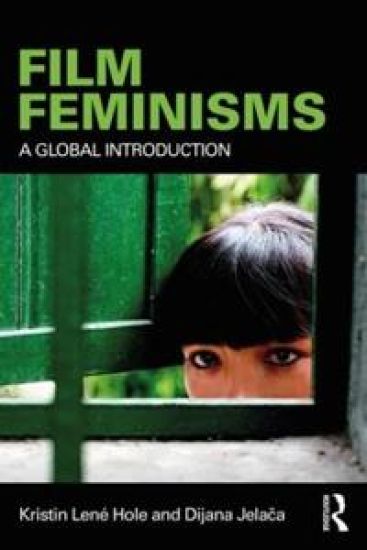
Film Feminisms

Film Feminisms

Kristin Lené Hole; Dijana Jelaca

Routledge
2018
nidottu
Film Feminisms offers a global and updated overview of the history, present-day concerns, and future of feminist film and theory. It introduces frameworks from phenomenology, affect theory, and psychoanalysis to reception studies, new media theories, and critical historiography, as well as engaging with key issues in documentary ethics, genre theory, and star studies.This new textbook situates feminist film theory within the larger framework of transnational scholarly approaches, as well as decolonial, queer, disability studies, and critical race theories. It offers a much-needed update on pedagogical approaches to feminist film studies, providing discussions of filmmakers and films that have been overlooked in the field, or that are overdue for further analysis. Each chapter is supported by a variety of pedagogical features including activities, key terms, and case studies. Many of the activities draw on contemporary digital media, such as social media and streaming platforms, to update the field to today's changing media landscape.
Towards a Feminist Cinematic Ethics

Towards a Feminist Cinematic Ethics

Kristin Lene Hole

Edinburgh University Press
2015
sidottu
Towards a Feminist Cinematic Ethics develops an account of non-normative ethics that can be used to think about filmmaking and viewing, using two philosopher - Emmanuel Levinas and Jean-Luc Nancy, and the work of filmmaker Claire Denis. In an accessible and engaging manner, it offers new readings of Denis' films, situating them within larger feminist, postcolonial and queer debates about identity and difference. Using a generative methodology, the book works towards a mutually challenging and productive relationship between cinematic ideas and philosophical concepts.