Kirjojen hintavertailu. Mukana 12 390 323 kirjaa ja 12 kauppaa.

Kirjailija

Kudakwashe Dube

Kirjat ja teokset yhdessä paikassa: 3 kirjaa, julkaisuja vuosilta 2010-2012, suosituimpien joukossa Electronic Healthcare Information Security. Vertaile teosten hintoja ja tarkista saatavuus suomalaisista kirjakaupoista.

3 kirjaa

Kirjojen julkaisuhaarukka 2010-2012.

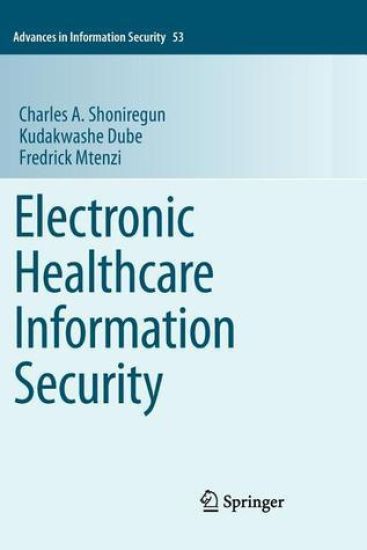
Electronic Healthcare Information Security

Electronic Healthcare Information Security

Charles A. Shoniregun; Kudakwashe Dube; Fredrick Mtenzi

Springer-Verlag New York Inc.
2012
nidottu
The adoption of Information and Communication Technologies (ICT) in healthcare is driven by the need to contain costs while maximizing quality and efficiency. However, ICT adoption for healthcare information management has brought far-reaching effects and implications on the spirit of the Hippocratic Oath, patient privacy and confidentiality. A wave of security breaches have led to pressing calls for opt-in and opt-out provisions where patients are free to choose to or not have their healthcare information collected and recorded within healthcare information systems. Such provisions have negative impact on cost, efficiency and quality of patient care. Thus determined efforts to gain patient trust is increasingly under consideration for enforcement through legislation, standards, national policy frameworks and implementation systems geared towards closing gaps in ICT security frameworks. The ever-increasing healthcare expenditure and pressing demand for improved quality and efficiency in patient care services are driving innovation in healthcare information management. Key among the main innovations is the introduction of new healthcare practice concepts such as shared care, evidence-based medicine, clinical practice guidelines and protocols, the cradle-to-grave health record and clinical workflow or careflow. Central to these organizational re-engineering innovations is the widespread adoption of Information and Communication Technologies (ICT) at national and regional levels, which has ushered in computer-based healthcare information management that is centred on the electronic healthcare record (EHR).
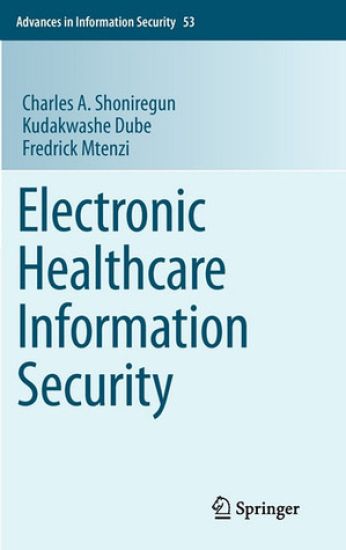
Electronic Healthcare Information Security

Electronic Healthcare Information Security

Charles A. Shoniregun; Kudakwashe Dube; Fredrick Mtenzi

Springer-Verlag New York Inc.
2010
sidottu
The adoption of Information and Communication Technologies (ICT) in healthcare is driven by the need to contain costs while maximizing quality and efficiency. However, ICT adoption for healthcare information management has brought far-reaching effects and implications on the spirit of the Hippocratic Oath, patient privacy and confidentiality. A wave of security breaches have led to pressing calls for opt-in and opt-out provisions where patients are free to choose to or not have their healthcare information collected and recorded within healthcare information systems. Such provisions have negative impact on cost, efficiency and quality of patient care. Thus determined efforts to gain patient trust is increasingly under consideration for enforcement through legislation, standards, national policy frameworks and implementation systems geared towards closing gaps in ICT security frameworks. The ever-increasing healthcare expenditure and pressing demand for improved quality and efficiency in patient care services are driving innovation in healthcare information management. Key among the main innovations is the introduction of new healthcare practice concepts such as shared care, evidence-based medicine, clinical practice guidelines and protocols, the cradle-to-grave health record and clinical workflow or careflow. Central to these organizational re-engineering innovations is the widespread adoption of Information and Communication Technologies (ICT) at national and regional levels, which has ushered in computer-based healthcare information management that is centred on the electronic healthcare record (EHR).