Kirjojen hintavertailu. Mukana 12 209 082 kirjaa ja 12 kauppaa.

Kirjailija

Lakshmi Subramanian

Kirjat ja teokset yhdessä paikassa: 9 kirjaa, julkaisuja vuosilta 2009-2026, suosituimpien joukossa Reading from the South. Vertaile teosten hintoja ja tarkista saatavuus suomalaisista kirjakaupoista.

9 kirjaa

Kirjojen julkaisuhaarukka 2009-2026.

Reading from the South

Reading from the South

Charne Lavery; Sarah Nuttall; Sunil Amrith; Gabeba Baderoon; Karin Barber; Rimli Bhattacharya; Antoinette Burton; Pumla Dineo Gqola; Carolyn Hamilton; Khwezi Mkhize; Danai S Mupotsa; James Ogude; Christopher Ew Ouma; Ranka Primorac; Madhumita Lahiri; Meg Samuelson; Lakshmi Subramanian

WITS UNIVERSITY PRESS
2023
sidottu
This set of essays analyses the work of Isabel Hofmeyr, globally recognised as one of South Africa's foremost literary and Indian Ocean scholars. The essays elucidate Hofmeyr's path-breaking studies of transnational histories of the book, African print cultures, and cultural circulations in the Indian Ocean world. This book draws together reflective and analytical essays by renowned intellectuals from around the world who critically engage with the work of one of the global South's leading scholars of African print cultures and the oceanic humanities. Isabel Hofmeyr's scholarship spans more than four decades, and its sustained and long-term influence on her discipline and beyond is formidable. While much of the history of print cultures has been written primarily from the North, Isabel Hofmeyr is one of the leading thinkers producing new knowledge in this area from Africa, the Indian Ocean world and the global South. Her major contribution encompasses the history of the book as well as shorter textual forms and abridged iterations of canonical works such as John Bunyan's The Pilgrim's Progress. She has done pioneering research on the ways in which such printed matter moves across the globe, focusing on intra-African trajectories and circulations as well as movements across land and sea, port and shore. The essays gathered here are written in a blend of intellectual and personal modes, and mostly by scholars of Indian and African descent. Via their engagement with Hofmeyr's path-breaking work, the essays in turn elaborate and contribute to studies of print culture as well as critical oceanic studies, consolidating their findings from the point of view of global South historical contexts and textual practices.
Reading from the South

Reading from the South

Charne Lavery; Sarah Nuttall; Sunil Amrith; Gabeba Baderoon; Karin Barber; Rimli Bhattacharya; Antoinette Burton; Pumla Dineo Gqola; Carolyn Hamilton; Khwezi Mkhize; Danai S Mupotsa; James Ogude; Christopher EW Ouma; Ranka Primorac; Madhumita Lahiri; Meg Samuelson; Lakshmi Subramanian

WITS UNIVERSITY PRESS
2023
pokkari
This book covers concepts and methods from the work of Isabel Hofmeyr, a leading South African scholar of print cultures and intellectual trajectories in the Atlantic and Indian oceans.
New Mansions For Music

New Mansions For Music

Lakshmi Subramanian

TAYLOR FRANCIS LTD
2024
nidottu
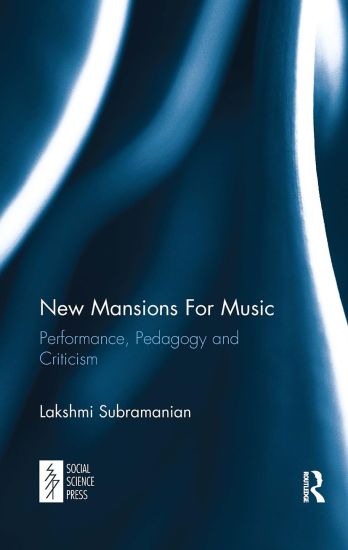
The essays in New Mansions for Music: Performance, Pedagogy and Criticism look at one of the most ancient and rigorous classical musical traditions of India, the Karnatik music system, and the kind of changes it underwent once it was relocated from traditional spaces of temples and salons to the public domain. Nineteenth-century Madras led the way in the transformation that Karnatik music underwent as it encountered the forces of modernization and standardization. This study also contributes to our understanding of the experience of modernity in India through the prism of music. The role of Madras city as patron and custodian of the performing arts, especially classical music offers an invaluable perspective on the larger processes of modernization in India. As the title suggests, the areas of classical music, which were most influenced by these developments were pedagogy or modes of musical transmission, performance conventions and criticism or music appreciation. Once the urban elite demanded the widening of the teaching of classical music, traditional modes of music instruction underwent a major change involving a breakdown of the gurushishya parampara or the tradition wherein the teacher imparted knowledge to a chosen few. Caste and kinship were important determining factors for the selection of these shishyas or students, but in modern institutions like the universities these boundaries had to be demolished. Simultaneously, the public staging of music brought the performer into a new relationship with his audience, especially as the art form became subject to validation and criticism by the newly emerging music critic. In an immensely readable book peppered with anecdotes and conversations with leading musicians and critics of the day, as well as humorous visual representations, part caricature, part satirical, the author describes a rapidly changing society and its new look in early twentieth century Madras.
New Mansions For Music

New Mansions For Music

Lakshmi Subramanian

Routledge
2017
sidottu
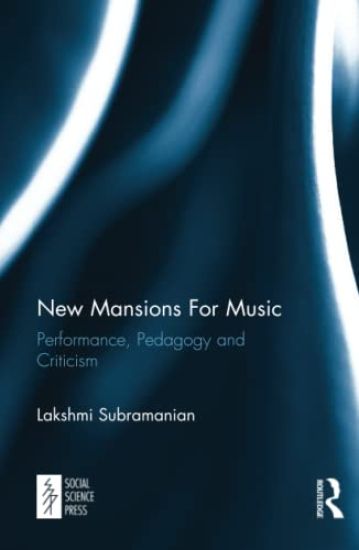
The essays in New Mansions for Music: Performance, Pedagogy and Criticism look at one of the most ancient and rigorous classical musical traditions of India, the Karnatik music system, and the kind of changes it underwent once it was relocated from traditional spaces of temples and salons to the public domain. Nineteenth-century Madras led the way in the transformation that Karnatik music underwent as it encountered the forces of modernization and standardization. This study also contributes to our understanding of the experience of modernity in India through the prism of music. The role of Madras city as patron and custodian of the performing arts, especially classical music offers an invaluable perspective on the larger processes of modernization in India. As the title suggests, the areas of classical music, which were most influenced by these developments were pedagogy or modes of musical transmission, performance conventions and criticism or music appreciation. Once the urban elite demanded the widening of the teaching of classical music, traditional modes of music instruction underwent a major change involving a breakdown of the gurushishya parampara or the tradition wherein the teacher imparted knowledge to a chosen few. Caste and kinship were important determining factors for the selection of these shishyas or students, but in modern institutions like the universities these boundaries had to be demolished. Simultaneously, the public staging of music brought the performer into a new relationship with his audience, especially as the art form became subject to validation and criticism by the newly emerging music critic. In an immensely readable book peppered with anecdotes and conversations with leading musicians and critics of the day, as well as humorous visual representations, part caricature, part satirical, the author describes a rapidly changing society and its new look in early twentieth century Madras.
Veena Dhanammal

Veena Dhanammal

Lakshmi Subramanian

Routledge India
2017
sidottu
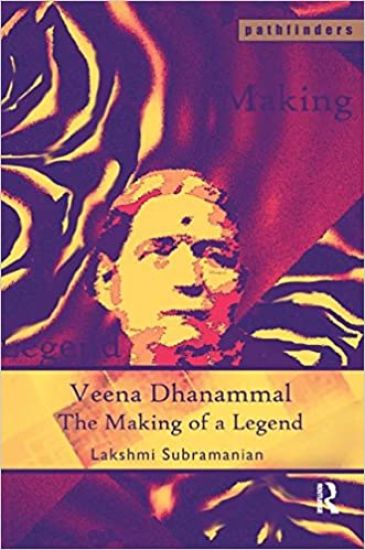
This book looks at the life and music of Veena Dhanammal (1866–1938), considered the embodiment of ‘classicism’ in Karnatik music. It locates her art within the cultural, social and intellectual milieu she inhabited, allowing readers to track the changing musical landscape of southern India, as a process of urbanisation — beginning in the late nineteenth century — resulted in Karnatik music’s movement from a ritual and courtly location to a modern, secular form of entertainment in the city space.
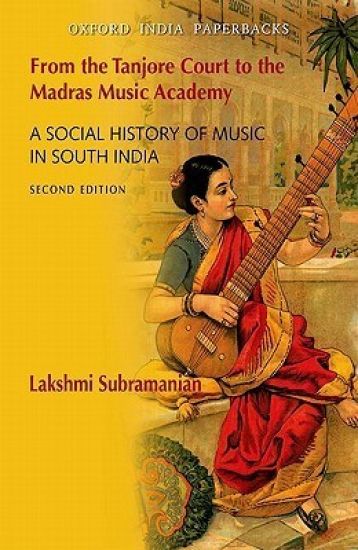
From the Tanjore Court to the Madras Music Academy
This book traces the adaptation of the traditional music in south India, from the quiet courtyards of Tanjore to the concert halls of Madras, to the necessities of colonial and post-colonial social realities. An engaging narrative of the production of knowledge about music and the related institution-building process, the volume raises larger questions of identity and imagination. It discusses the influence of nationalism in the creation of an auditory habit as much as it shows how performance and patronage influenced the self-development of the consuming elite. Anticipating the dilemmas of the emerging modern Indian middle class, the author also explores the ambivalence and ambiguities that informed musical practices in the nineteenth and twentieth centuries. The second edition carries a new introduction which updates research on the subject and also discusses the new issues and trends emerging in the study of south Indian classical music. This book will interest students and scholars of history, music, sociology, ethnomusicology, cultural studies, south India, as well as informed general readers.
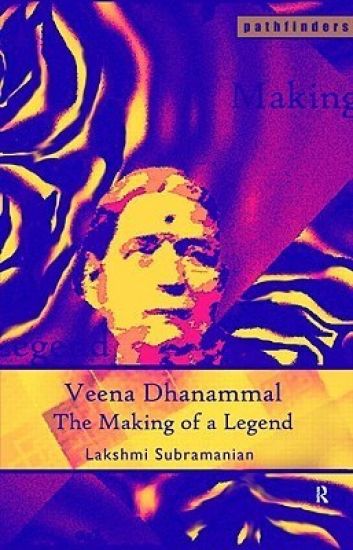
Veena Dhanammal

Veena Dhanammal

Lakshmi Subramanian

Routledge India
2009
nidottu
This book looks at the life and music of Veena Dhanammal (1866–1938), considered the embodiment of ‘classicism’ in Karnatik music. It locates her art within the cultural, social and intellectual milieu she inhabited, allowing readers to track the changing musical landscape of southern India, as a process of urbanisation — beginning in the late nineteenth century — resulted in Karnatik music’s movement from a ritual and courtly location to a modern, secular form of entertainment in the city space.