Kirjojen hintavertailu. Mukana 12 595 353 kirjaa ja 12 kauppaa.
Kirjailija
Lambert Schneider
Kirjat ja teokset yhdessä paikassa: 3 kirjaa, julkaisuja vuosilta 2005-2011, suosituimpien joukossa Micro Cogeneration. Vertaile teosten hintoja ja tarkista saatavuus suomalaisista kirjakaupoista.
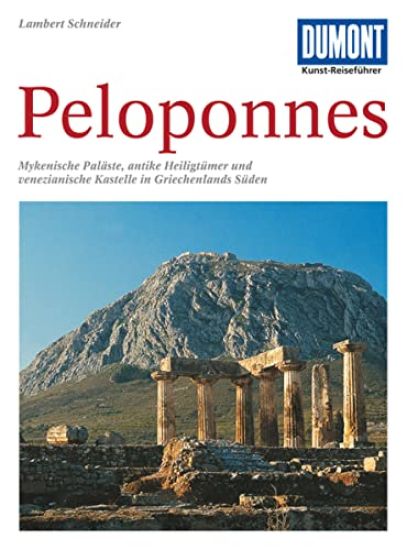
Das Reiseziel Kunsthistorisch herausragende Zeugnisse europäischer Geschichte und Kultur aus vier Jahrtausenden erwarten den Besucher auf der Halbinsel Peloponnes. Die Highlights Korinth, Olympia und Epidauros sind die Höhepunkte klassisch-griechischer Kunst, aber auch mykenische Paläste und Burgen, venezianische, osmanisch-türkische und klassizistische Baudenkmäler stehen auf dem Besuchsprogramm. Der Autor Lambert Schneider, Professor für Klassische Archäologie an der Universität Hamburg, ist Autor der Kunst-Reiseführer Griechisches Festland und Kreta.
The electricity systems of many countries are currently undergoing a process of transformation. Market liberalization has induced major mergers and acquisitions in the electricity sector, but has also forced companies to seek out new business areas. Environmental regulations, like the Kyoto process and the European Emissions Trading Scheme, are exposing the sector to external pressure. New technologies – such as renewable energy, combined heat and power (CHP), or “clean coal” technologies – are emerging. Recent worldwide experiences with blackouts have once more put security of supply on the agenda. In Germany, the nuclear phase-out and decommissioning of outdated coal plants will lead to a need for replacement of more than one third of the current generation capacity by 2020. The need for replacement is an extremely important driving force for the current transformation, forcing conventional and new technologies to compete for a role in the future energy supply. The overall transformation of electricity systems is neither driven nor shaped by technical or societal modifications alone, but rather by a rich diversity of processes in the realms of technology, politics, society and economy.
The electricity systems of many countries are currently undergoing a process of transformation. Market liberalization has induced major mergers and acquisitions in the electricity sector, but has also forced companies to seek out new business areas. Environmental regulations, like the Kyoto process and the European Emissions Trading Scheme, are exposing the sector to external pressure. New technologies – such as renewable energy, combined heat and power (CHP), or “clean coal” technologies – are emerging. Recent worldwide experiences with blackouts have once more put security of supply on the agenda. In Germany, the nuclear phase-out and decommissioning of outdated coal plants will lead to a need for replacement of more than one third of the current generation capacity by 2020. The need for replacement is an extremely important driving force for the current transformation, forcing conventional and new technologies to compete for a role in the future energy supply. The overall transformation of electricity systems is neither driven nor shaped by technical or societal modifications alone, but rather by a rich diversity of processes in the realms of technology, politics, society and economy.