Kirjojen hintavertailu. Mukana 12 390 323 kirjaa ja 12 kauppaa.

Kirjailija

Landry Signé

Kirjat ja teokset yhdessä paikassa: 10 kirjaa, julkaisuja vuosilta 2017-2025, suosituimpien joukossa Le NEPAD et les institutions financières en Afrique au 21e siècle. Vertaile teosten hintoja ja tarkista saatavuus suomalaisista kirjakaupoista.

Mukana myös kirjoitusasut: Landry Signe

10 kirjaa

Kirjojen julkaisuhaarukka 2017-2025.

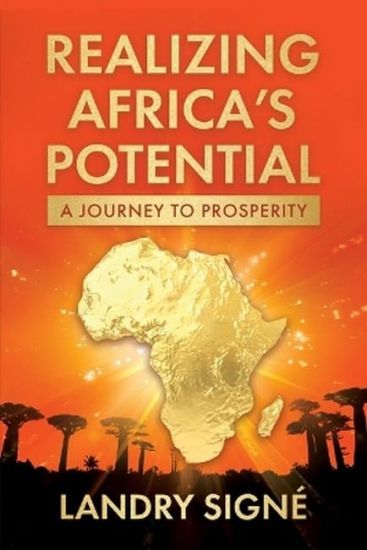
Realizing Africa's Potential

Realizing Africa's Potential

Landry Signe

BLOOMSBURY PUBLISHING PLC
2025
sidottu
By 2050, Africa will be home to 25% of the world’s population with more than $16 trillion in combined business and consumer spending. This profound demographic shift and economic growth are driving transformative change across African markets, offering unprecedented opportunities for investment. With strategic leadership by business and policymakers alike, these opportunities can be seized to fuel industrialization, create jobs, foster technological innovation, advance green economies, reduce poverty, and raise the standard of living across the continent. Realizing Africa’s Potential: A Journey to Prosperity identifies the trends, opportunities, challenges, and strategies for success in Africa’s emerging industries including healthcare and pharmaceuticals; mining; insurance; investment; private equity and venture capital; international and intra-regional trade (automotive, agriculture and agro-processing, pharmaceuticals, transportation and logistics); capital markets; and entertainment. The book offers unparallelled insights to scholars, investors and policymakers alike a holistic perspective on how these industries may evolve and actionable strategies on how to maximize the impact of trade and investment on industrialization to unlock Africa’s long-term prosperity.
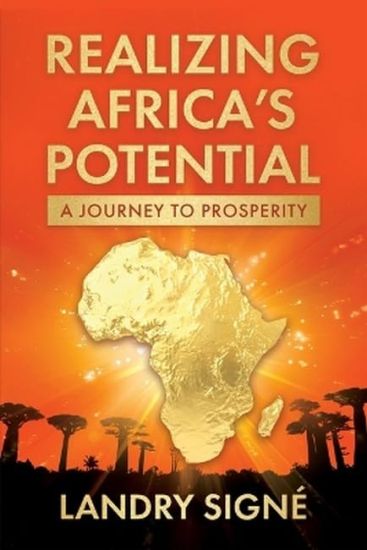
Realizing Africa's Potential

Realizing Africa's Potential

Landry Signe

BLOOMSBURY PUBLISHING PLC
2025
nidottu
By 2050, Africa will be home to 25% of the world’s population with more than $16 trillion in combined business and consumer spending. This profound demographic shift and economic growth are driving transformative change across African markets, offering unprecedented opportunities for investment. With strategic leadership by business and policymakers alike, these opportunities can be seized to fuel industrialization, create jobs, foster technological innovation, advance green economies, reduce poverty, and raise the standard of living across the continent. Realizing Africa’s Potential: A Journey to Prosperity identifies the trends, opportunities, challenges, and strategies for success in Africa’s emerging industries including healthcare and pharmaceuticals; mining; insurance; investment; private equity and venture capital; international and intra-regional trade (automotive, agriculture and agro-processing, pharmaceuticals, transportation and logistics); capital markets; and entertainment. The book offers unparallelled insights to scholars, investors and policymakers alike a holistic perspective on how these industries may evolve and actionable strategies on how to maximize the impact of trade and investment on industrialization to unlock Africa’s long-term prosperity.
Africa's Fourth Industrial Revolution

Africa's Fourth Industrial Revolution

Landry Signé

Cambridge University Press
2023
sidottu
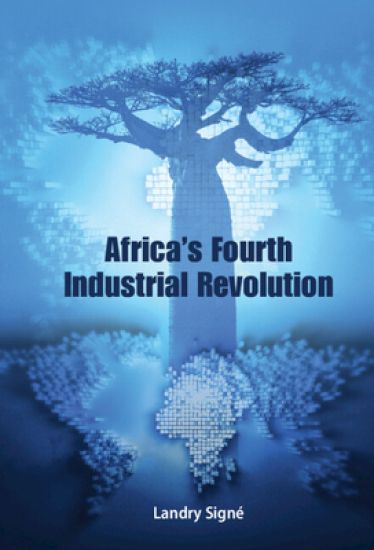
With the rise of new technologies and disruptive innovations reshaping the global economy, the Fourth Industrial Revolution has been characterized as a fusion between the physical, digital, and biological worlds. From the increasing adoption of mobile devices to the entrepreneurial use of 3D printing, arti?cial intelligence, and robotics, trends across Africa speak to the continent's potential for growth and sustainable development in the Fourth Industrial Revolution. In this innovative and timely study, Landry Signé examines the meaning, drivers, and implications of the Fourth Industrial Revolution for Africa. Drawing upon comparative, continent-wide analysis, Signé powerfully challenges our understandings of Africa's transformation and sheds light on the potential of the Fourth Industrial Revolution to change and shape the Global South. By de?ning and investigating the Fourth Industrial Revolution, Signé develops a valuable framework for further study and suggests strategies that Africans and their global partners can use to capitalize upon this rapidly evolving technological landscape.
Africa's Fourth Industrial Revolution

Africa's Fourth Industrial Revolution

Landry Signé

Cambridge University Press
2023
pokkari
With the rise of new technologies and disruptive innovations reshaping the global economy, the Fourth Industrial Revolution has been characterized as a fusion between the physical, digital, and biological worlds. From the increasing adoption of mobile devices to the entrepreneurial use of 3D printing, arti?cial intelligence, and robotics, trends across Africa speak to the continent's potential for growth and sustainable development in the Fourth Industrial Revolution. In this innovative and timely study, Landry Signé examines the meaning, drivers, and implications of the Fourth Industrial Revolution for Africa. Drawing upon comparative, continent-wide analysis, Signé powerfully challenges our understandings of Africa's transformation and sheds light on the potential of the Fourth Industrial Revolution to change and shape the Global South. By de?ning and investigating the Fourth Industrial Revolution, Signé develops a valuable framework for further study and suggests strategies that Africans and their global partners can use to capitalize upon this rapidly evolving technological landscape.
Unlocking Africa's Business Potential

Unlocking Africa's Business Potential

Landry Signe

Brookings Institution
2020
nidottu
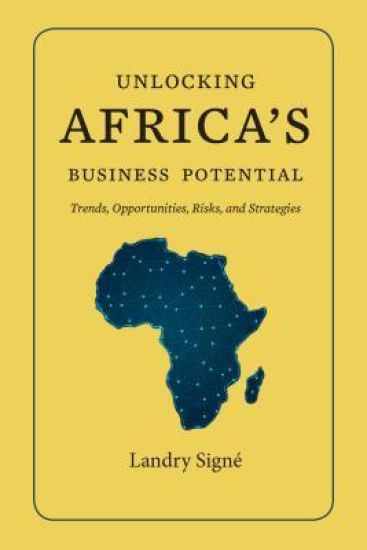
Africa welcomes business investment and offers some of the world's highest returns and impacts.Africa has tremendous economic potential and offers rewarding opportunities for global businesses looking for new markets and long-term investments with favorable returns. Africa has been one of the world's fastest-growing regions over the past decade, and by 2030 will be home to nearly 1.7 billion people and an estimated $6.7 trillion worth of consumer and business spending. Increased political stability in recent years and improving regional integration are making market access easier, and business expansion will generate jobs for women and youth, who represent the vast majority of the population. Current economic growth and poverty-alleviation efforts mean that more than 43 percent of the continent's people will reach middle- or upper-class status by 2030.Unlocking Africa's Business Potential examines business opportunities in the eight sectors with the highest potential returns on private investment?the same sectors that will foster economic growth and diversification, job creation, and improved general welfare. These sectors include: consumer markets, agriculture and agriprocessing, information and communication technology, manufacturing, oil and gas, tourism, banking, and infrastructure and construction. The book's analysis of these sectors is based on case studies that identify specific opportunities for investment and growth, along with long-term market projections to inform decision-making.The book identifies potential risks to business and offers mitigation strategies. It also provides policymakers with solutions to attract new business investments, including how to remove barriers to business and accelerate development of the private sector.
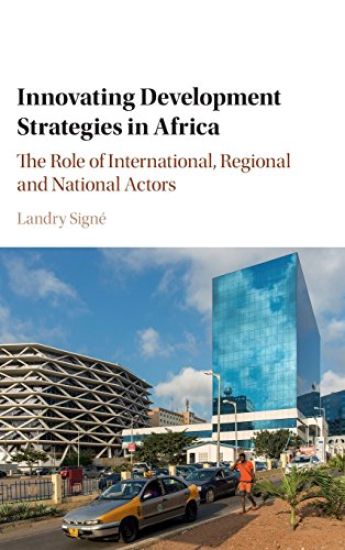
Innovating Development Strategies in Africa

Innovating Development Strategies in Africa

Landry Signé

Cambridge University Press
2020
pokkari
During the second half of the twentieth century, African states shifted away from state-led development strategies, and are now moving towards a strategy of regional economic integration. In this book, Landry Signé explores the key drivers of African policy and economic transformation, proposing a preeminent explanation of policy innovations in Africa through the examination of postcolonial strategies for economic development. Scholars and practitioners in fields as varied as development studies, political science and public policy, economics, sociology and African studies will benefit from Signé's unprecedented comparative analysis, including detailed cases from the often understudied Francophone Africa. First studying why, how and when institutional or policy change occurs in Africa, Signé explores the role of international, regional and national actors in making African economic development strategies from 1960 to date, highlighting the economic transformations of the twenty-first century.
African Development, African Transformation

African Development, African Transformation

Landry Signé

Cambridge University Press
2018
sidottu
Africa is home to many of the world's fastest-growing economies. This powerful book traces new continental institutions for development and their capacity to affect economic growth, regional integration, and international cooperation in Africa. It also assesses Africa's ability to achieve the Sustainable Development Goals and the African Union's Agenda 2063. As the continent's most ambitious development initiative since independence, the African Union Development Agency (or AUDA, previously known as the New Partnership for Africa's Development or NEPAD) provides an excellent case study for examining how an African-based, continent-wide development institution emerged. Inspired by the ideas of Pan-Africanism and the African renaissance, NEPAD was created to bring Africa into the globalizing world, to close the gap between developing and developed countries, to enhance economic growth, and to eradicate poverty. Almost two decades after NEPAD's creation and given its transformation into AUDA, this brilliant book examines AUDA's role in achieving these goals.
African Development, African Transformation

African Development, African Transformation

Landry Signé

Cambridge University Press
2018
pokkari
Africa is home to many of the world's fastest-growing economies. This powerful book traces new continental institutions for development and their capacity to affect economic growth, regional integration, and international cooperation in Africa. It also assesses Africa's ability to achieve the Sustainable Development Goals and the African Union's Agenda 2063. As the continent's most ambitious development initiative since independence, the African Union Development Agency (or AUDA, previously known as the New Partnership for Africa's Development or NEPAD) provides an excellent case study for examining how an African-based, continent-wide development institution emerged. Inspired by the ideas of Pan-Africanism and the African renaissance, NEPAD was created to bring Africa into the globalizing world, to close the gap between developing and developed countries, to enhance economic growth, and to eradicate poverty. Almost two decades after NEPAD's creation and given its transformation into AUDA, this brilliant book examines AUDA's role in achieving these goals.
Innovating Development Strategies in Africa

Innovating Development Strategies in Africa

Landry Signé

Cambridge University Press
2017
sidottu
During the second half of the twentieth century, African states shifted away from state-led development strategies, and are now moving towards a strategy of regional economic integration. In this book, Landry Signé explores the key drivers of African policy and economic transformation, proposing a preeminent explanation of policy innovations in Africa through the examination of postcolonial strategies for economic development. Scholars and practitioners in fields as varied as development studies, political science and public policy, economics, sociology and African studies will benefit from Signé's unprecedented comparative analysis, including detailed cases from the often understudied Francophone Africa. First studying why, how and when institutional or policy change occurs in Africa, Signé explores the role of international, regional and national actors in making African economic development strategies from 1960 to date, highlighting the economic transformations of the twenty-first century.