Kirjojen hintavertailu. Mukana 12 595 353 kirjaa ja 12 kauppaa.

Kirjailija

Larisa Jašarevic

Kirjat ja teokset yhdessä paikassa: 5 kirjaa, julkaisuja vuosilta 2017-2026, suosituimpien joukossa Children of Salik. Vertaile teosten hintoja ja tarkista saatavuus suomalaisista kirjakaupoista.

5 kirjaa

Kirjojen julkaisuhaarukka 2017-2026.

Children of Salik

Children of Salik

Larisa Jašarevic; Zejd Omerbegovic

Ketebe Publishing
2026
sidottu
Life's been tough for the Salikovic since their mother was hospitalised. Heartbroken and anxious about the sleepwalking escapades of their youngest brother (who is not a zombie ), the four kids and their father seek respite in nature. But the weekend at their grandparents' homestead on the edgelands of a Bosnian town turns into an adventure. They must rescue their cat and honeybees, adopt a storm orphan, and help their grandpa search for the greatest treasure of all. What keeps them going are the tales and trials of the most radiant human in the Universe. Retelling the unforgettable stories that Salko Omerbegovic originally wrote in Bosnian, the Children of Salik Series weaves together the lives of four siblings, a love for nature, and the stories that Muslim children, the world over, grow up with.
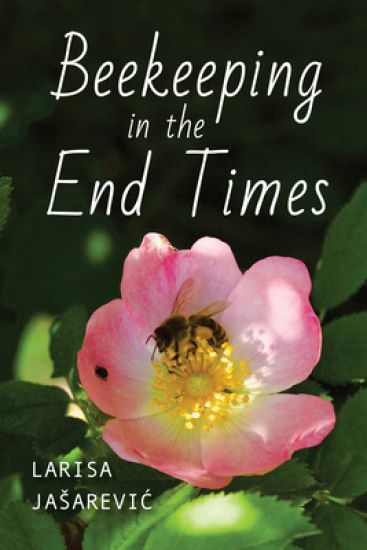
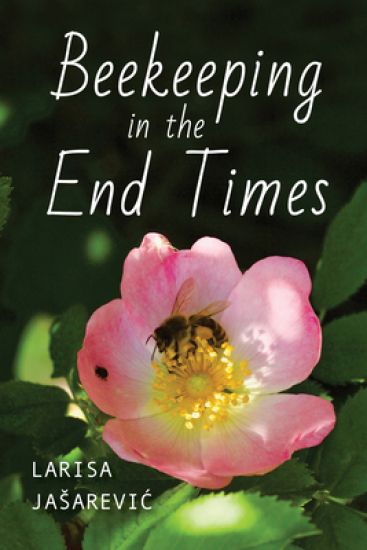
Beekeeping in the End Times

Beekeeping in the End Times

Larisa Jašarevic

INDIANA UNIVERSITY PRESS
2024
sidottu
Every hundred years, as the story goes, two angels wonder out loud whether the bees are still swarming. For as long as the bees are swarming, the angels are reassured, the world holds together. Still, the tale suggests, the angels live in anxious anticipation of the End. Local beekeepers in Bosnia and Herzegovina retell the old tale with growing unease, as their honeybees weather the ground effects of climate change. Beekeeping in the End Times relates extreme weather events and quieter disasters that have been altering honey ecologies across Bosnia and Herzegovina since 2014. While world-wide endangerment of pollinators, and bees in particular, has been the subject of much global concern, effects of climate change on the indispensable honeybees,remain understudied. Drawing on a five-year long study, the book suggests that local apiarists' field observations resonate with many climate biologists' concerns and speculations about the future of plant-bee relations on the warming planet. Local practice also adds to the record complex and puzzling trends that make honey scarce in otherwise lush, biodiverse landscapes. To Bosnian Muslims, honeybees are more than pollinators. They are inspired beings whose honey is another form of divinely revelation. To appreciate the meaning of honeybees and to grasp the dire ecological catastrophe underway, Jašarevic reads contemporary environmental writings and Sufi texts, she listens to the seasoned beekeepers and collects local wisdom tales. From start to finish, Jašarevic pores over key Islamic texts, the Quran and the Hadith, and their popular retellings. The Islamic end-times lore, the book proposes, holds surprising lessons on how to live and strive in the 'not yet,' stalling the apocalypse.
Beekeeping in the End Times

Beekeeping in the End Times

Larisa Jašarevic

INDIANA UNIVERSITY PRESS
2024
pokkari
Every hundred years, as the story goes, two angels wonder out loud whether the bees are still swarming. For as long as the bees are swarming, the angels are reassured, the world holds together. Still, the tale suggests, the angels live in anxious anticipation of the End. Local beekeepers in Bosnia and Herzegovina retell the old tale with growing unease, as their honeybees weather the ground effects of climate change. Beekeeping in the End Times relates extreme weather events and quieter disasters that have been altering honey ecologies across Bosnia and Herzegovina since 2014. While world-wide endangerment of pollinators, and bees in particular, has been the subject of much global concern, effects of climate change on the indispensable honeybees,remain understudied. Drawing on a five-year long study, the book suggests that local apiarists' field observations resonate with many climate biologists' concerns and speculations about the future of plant-bee relations on the warming planet. Local practice also adds to the record complex and puzzling trends that make honey scarce in otherwise lush, biodiverse landscapes. To Bosnian Muslims, honeybees are more than pollinators. They are inspired beings whose honey is another form of divinely revelation. To appreciate the meaning of honeybees and to grasp the dire ecological catastrophe underway, Jašarevic reads contemporary environmental writings and Sufi texts, she listens to the seasoned beekeepers and collects local wisdom tales. From start to finish, Jašarevic pores over key Islamic texts, the Quran and the Hadith, and their popular retellings. The Islamic end-times lore, the book proposes, holds surprising lessons on how to live and strive in the 'not yet,' stalling the apocalypse.

Health and Wealth on the Bosnian Market

Health and Wealth on the Bosnian Market

Larisa Jašarevic

Indiana University Press
2017
sidottu
Larisa Jasarevic offers an unforgettable look at the everyday experiences of people living in post-socialist, post-war Bosnia. Not at all existing on the world's margins, Bosnians today are concerned with the good life and are as entangled in consumer debt as everyone else. The insecurities of living in an economy dominated by informal networks of trade, personal credit, and indebtedness are experienced by Bosnians in terms of physical ailments, some not recognized by Western medical science. Jasarevic follows ordinary Bosnians in their search for treatment—from use of pharmaceuticals to alternative medicines and folk healers of various kinds. Financial well-being and health are woven together for Bosnians, and Jasarevic adeptly traces the links between the two realms. In the process, she addresses a number of themes that have been important in studies of life under neoliberalism in other parts of the world.
Health and Wealth on the Bosnian Market

Health and Wealth on the Bosnian Market

Larisa Jašarevic

Indiana University Press
2017
pokkari
Larisa Jasarevic offers an unforgettable look at the everyday experiences of people living in post-socialist, post-war Bosnia. Not at all existing on the world's margins, Bosnians today are concerned with the good life and are as entangled in consumer debt as everyone else. The insecurities of living in an economy dominated by informal networks of trade, personal credit, and indebtedness are experienced by Bosnians in terms of physical ailments, some not recognized by Western medical science. Jasarevic follows ordinary Bosnians in their search for treatment—from use of pharmaceuticals to alternative medicines and folk healers of various kinds. Financial well-being and health are woven together for Bosnians, and Jasarevic adeptly traces the links between the two realms. In the process, she addresses a number of themes that have been important in studies of life under neoliberalism in other parts of the world.