Kirjojen hintavertailu. Mukana 12 595 353 kirjaa ja 12 kauppaa.

Kirjailija

Larry Nesper

Kirjat ja teokset yhdessä paikassa: 4 kirjaa, julkaisuja vuosilta 2002-2022, suosituimpien joukossa "Our Relations…the Mixed Bloods". Vertaile teosten hintoja ja tarkista saatavuus suomalaisista kirjakaupoista.

4 kirjaa

Kirjojen julkaisuhaarukka 2002-2022.

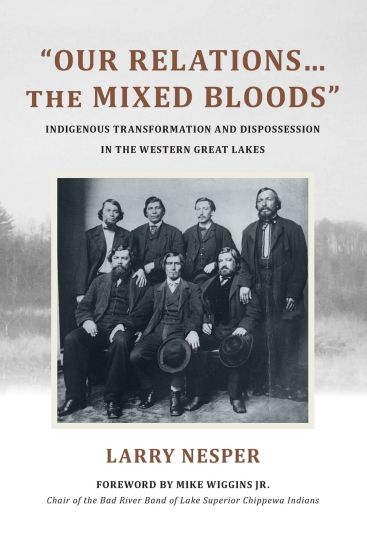
"Our Relations…the Mixed Bloods"

"Our Relations…the Mixed Bloods"

Larry Nesper; Michael S. Wiggins

STATE UNIVERSITY OF NEW YORK PRESS
2022
pokkari
Articulates the relationships between kinship, racial ideology, mixed blood treaty provisions, and landscape transformation in the Great Lakes region.In the Great Lakes region of the nineteenth century, "mixed bloods" were a class of people living within changing indigenous communities. As such, they were considered in treaties signed between the tribal nations and the federal government. Larry Nesper focuses on the implementation and long-term effects of the mixed-blood provision of the 1854 treaty with the Chippewa of Wisconsin. That treaty not only ceded lands and created the Ojibwe Indian reservations in the region, it also entitled hundreds of "mixed-bloods belonging to the Chippewas of Lake Superior," as they appear in this treaty, to locate parcels of land in the ceded territories. However, quickly dispossessed of their entitlement, the treaty provision effectively capitalized the first mining companies in Wisconsin, initiating the period of non-renewable resource extraction that changed the demography, ecology, and potential future for the region for both natives and non-natives. With the influx of Euro-Americans onto these lands, conflicts over belonging and difference, as well as community leadership, proliferated on these new reservations well into the twentieth century. This book reveals the tensions between emergent racial ideology and the resilience of kinship that shaped the historical trajectory of regional tribal society to the present.
"Our Relations…the Mixed Bloods"

"Our Relations…the Mixed Bloods"

Larry Nesper; Michael S. Wiggins

State University of New York Press
2021
sidottu
Articulates the relationships between kinship, racial ideology, mixed blood treaty provisions, and landscape transformation in the Great Lakes region.In the Great Lakes region of the nineteenth century, "mixed bloods" were a class of people living within changing indigenous communities. As such, they were considered in treaties signed between the tribal nations and the federal government. Larry Nesper focuses on the implementation and long-term effects of the mixed-blood provision of the 1854 treaty with the Chippewa of Wisconsin. That treaty not only ceded lands and created the Ojibwe Indian reservations in the region, it also entitled hundreds of "mixed-bloods belonging to the Chippewas of Lake Superior," as they appear in this treaty, to locate parcels of land in the ceded territories. However, quickly dispossessed of their entitlement, the treaty provision effectively capitalized the first mining companies in Wisconsin, initiating the period of non-renewable resource extraction that changed the demography, ecology, and potential future for the region for both natives and non-natives. With the influx of Euro-Americans onto these lands, conflicts over belonging and difference, as well as community leadership, proliferated on these new reservations well into the twentieth century. This book reveals the tensions between emergent racial ideology and the resilience of kinship that shaped the historical trajectory of regional tribal society to the present.
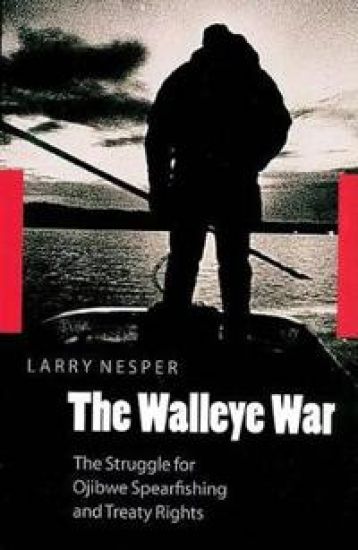
The Walleye War

The Walleye War

Larry Nesper

University of Nebraska Press
2002
pokkari
For generations, the Ojibwe bands of northern Wisconsin have spearfished spawning walleyed pike in the springtime. The bands reserved hunting, fishing, and gathering rights on the lands that would become the northern third of Wisconsin in treaties signed with the federal government in 1837, 1842, and 1854. Those rights, however, would be ignored by the state of Wisconsin for more than a century. When a federal appeals court in 1983 upheld the bands' off-reservation rights, a deep and far-reaching conflict erupted between the Ojibwe bands and some of their non-Native neighbors. Starting in the mid-1980s, protesters and supporters flocked to the boat landings of lakes being spearfished; Ojibwe spearfisher-men were threatened, stoned, and shot at. Peace and protest rallies, marches, and ceremonies galvanized and rocked the local communities and reservations, and individuals and organizations from across the country poured into northern Wisconsin to take sides in the spearfishing dispute.From the front lines on lakes to tense, behind-the-scenes maneuvering on and off reservations, The Walleye War tells the riveting story of the spearfishing conflict, drawing on the experiences and perspectives of the members of the Lac du Flambeau reservation and an anthropologist who accompanied them on spearfishing expeditions. We learn of the historical roots and cultural significance of spearfishing and off-reservation treaty rights and we see why many modern Ojibwes and non-Natives view them in profoundly different ways. We also come to understand why the Flambeau tribal council and some tribal members disagreed with the spearfishermen and pursued a policy of negotiation with the state to lease the off-reservation treaty rights for fifty million dollars. Fought with rocks and metaphors, The Walleye War is the story of a Native people's struggle for dignity, identity, and self-preservation in the modern world.
The Walleye War

The Walleye War

Larry Nesper

University of Nebraska Press
2002
sidottu
For generations, the Ojibwe bands of northern Wisconsin have spearfished spawning walleyed pike in the springtime. The bands reserved hunting, fishing, and gathering rights on the lands that would become the northern third of Wisconsin in treaties signed with the federal government in 1837, 1842, and 1854. Those rights, however, would be ignored by the state of Wisconsin for more than a century. When a federal appeals court in 1983 upheld the bands' off-reservation rights, a deep and far-reaching conflict erupted between the Ojibwe bands and some of their non-Native neighbors. Starting in the mid-1980s, protesters and supporters flocked to the boat landings of lakes being spearfished; Ojibwe spearfisher-men were threatened, stoned, and shot at. Peace and protest rallies, marches, and ceremonies galvanized and rocked the local communities and reservations, and individuals and organizations from across the country poured into northern Wisconsin to take sides in the spearfishing dispute. From the front lines on lakes to tense, behind-the-scenes maneuvering on and off reservations, The Walleye War tells the riveting story of the spearfishing conflict, drawing on the experiences and perspectives of the members of the Lac du Flambeau reservation and an anthropologist who accompanied them on spearfishing expeditions. We learn of the historical roots and cultural significance of spearfishing and off-reservation treaty rights and we see why many modern Ojibwes and non-Natives view them in profoundly different ways. We also come to understand why the Flambeau tribal council and some tribal members disagreed with the spearfishermen and pursued a policy of negotiation with the state to lease the off-reservation treaty rights for fifty million dollars. Fought with rocks and metaphors, The Walleye War is the story of a Native people's struggle for dignity, identity, and self-preservation in the modern world. Larry Nesper is an assistant professor of anthropology at Ball State University.