Kirjojen hintavertailu. Mukana 12 595 353 kirjaa ja 12 kauppaa.

Kirjailija

Lars Krutak

Kirjat ja teokset yhdessä paikassa: 6 kirjaa, julkaisuja vuosilta 2010-2025, suosituimpien joukossa Tattoo. Vertaile teosten hintoja ja tarkista saatavuus suomalaisista kirjakaupoista.

6 kirjaa

Kirjojen julkaisuhaarukka 2010-2025.

Tattoo

Tattoo

Sébastien Galliot; Pascal Bagot; Joe Cummings; Anna Felicity Friedman; Alan Govenar; Simon Jean; Andrea Juno; V. Vale; Lars Krutak; Florence Lamy; Karl Marc; Michael McCabe; Jérôme Pierrat; Luc Renaut; Yoshimi Yamamoto

Actes Sud
2014
sidottu
This book explores the artistic nature of tattooing and celebrates its living, creative, changing essence. Alongside the omniscience of tattoing throughout the world for thousands of years, presented through rare artifacts, the book pays tribute to the pioneers of the modern era, those responsible for its great transformation into the mainstream. Tattooing has become one of the most dynamic artistic currents of our era and is ever-evolving, despite the great revolutions the art has undergone. This book looks to its foremost representatives, the tattoo artists themselves, the guardians of the temple. With this in mind, two types of contemporary workshop creations have been produced. The first one presents thirteen silicone models, thirteen ‘extracts’ of the body, prints modelled from actual people, used by tattoo artists in the exercise of their art, machine worked or using traditional tools, depending on their daily practice. In search of a mise en abyme, blank canvases were offered to other artists, in the classic application known as ‘body suit’. The artists featuring in the book are world recognized. All active continents are represented: Europe, America, Asia and Oceania. All practitioners are respected by their peers for their contribution to the art. Finally there is a series of photos presenting the two most recent currents in modern tattooing, a locker room of aesthetic graphics that firmly root tattooing in the third millennium.
Indigenous Tattoo Traditions

Indigenous Tattoo Traditions

Lars Krutak; Sean Mallon

PRINCETON UNIVERSITY PRESS
2025
sidottu
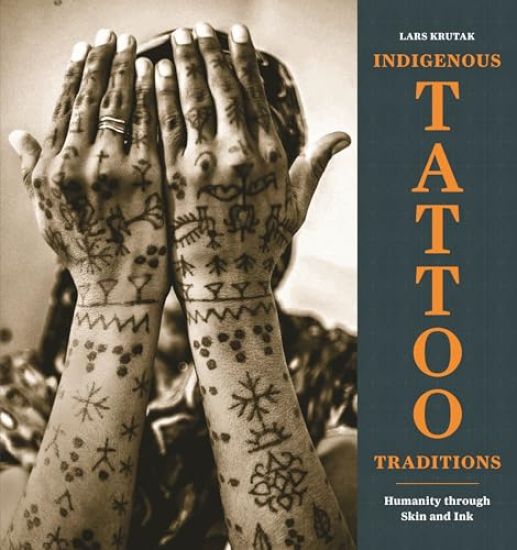
A beautifully illustrated history of Indigenous tattooing practices around the worldTattooing within Indigenous communities is a time-honored practice that binds the tattoo recipient to a deeply felt collective history. More than mere decoration, tattoos embody cultural values, ancestral ties, and spiritual beliefs. Indigenous Tattoo Traditions captures ancient tribal tattooing practices and their contemporary resurgence, highlighting a beautiful aspect of humanity’s shared cultural heritage.Transporting readers through history, Lars Krutak explores the art and customs of tattooing across numerous ancestral lands, including Africa, the Middle East, the Americas, the Arctic, Oceania, Japan, Southeast Asia, and Siberia. He illustrates how tattoos function as a form of writing that defines and structures community life, performing as rites of passage, symbols of rank, and signs of marital or religious devotion, among other facets of culture. We are introduced to the heavily tattooed Li women of China’s Hainan Island with their elaborate facial and body tattoos, the bold indelible markings of Papua New Guinea's Indigenous peoples, and innovative cultural tattoo practitioners who are rebuilding a skin-marking legacy for future generations to come.With numerous images published for the first time and an illuminating foreword by cultural historian Sean Mallon, Indigenous Tattoo Traditions opens a window onto one of the world’s most vibrant yet misunderstood mediums of human expression.
Tattoo Traditions of Asia

Tattoo Traditions of Asia

Lars Krutak

UNIVERSITY OF HAWAI'I PRESS
2024
sidottu
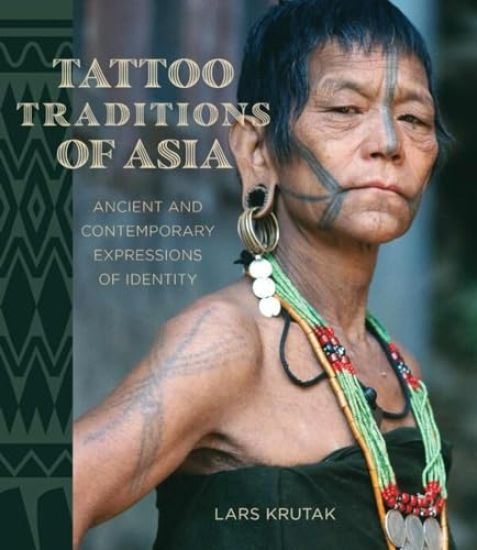
For millennia, tattoos have documented the history of humanity one painful mark at a time. They form a visual language on the skin, expressing an individual’s desires and fears as well as cultural values, family ties, and spiritual beliefs on the surfaces of the body. The Indigenous peoples of Asia have created some of the world’s oldest and most distinctive tattoos, but their many contributions to body art and practice have been largely overlooked. Tattoo Traditions of Asia is the first single volume dedicated to the anthropological study of an ancient cultural practice and artform that spans many countries and societies, ancestral lands, and contemporary communities across the continent and its islands. This richly illustrated survey combines the author's twenty years of fieldwork, interviewing hundreds of Indigenous tattoo bearers and contemporary tattoo practitioners, with painstaking research conducted in obscure archives throughout the region and elsewhere to break new ground on one of the least-understood mediums of Indigenous Asian expressive culture—a vital tradition to be celebrated, an inspirational story told in skin and ink.
Tattoo Traditions of Native North America
For thousands of years the Indigenous peoples of North America have produced astonishingly rich and diverse forms of tattooing. Long neglected by anthropologists and art historians, tattooing was a time-honored practice that expressed the patterns of tribal social organization and religion, while also channelling worlds inhabited by deities, spirits, and the ancestors. Tattoo Traditions of Native North America explores the many facets of indelible Indigenous body marking across every cultural region of North America. As the first book on the subject, it breaks new ground on one of the least-known mediums of Native American expressive culture that nearly disappeared from view in the twentieth century, until it was reborn in recent decades.
Magical Tattoos & Scarification

Magical Tattoos & Scarification

Lars Krutak

Edition Reuss
2012
sidottu
Text in English & German. This is a photographic masterwork in two parts exploring the secret world of magical tattooing and scarification across the tribal world. Based on one decade of tattoo anthropologist Dr Lars Krutak's fieldwork among animistic and shamanic societies of Asia, Africa, the Americas, and Melanesia, this book journeys into highly sacred territory to reveal how people utilise ritual body modification to enhance their access to the supernatural. The first part delves into the ancient art of Thai tattooing or sak yant that is administered by holy monks who harness the energy and power of the Buddha himself. Emblazoned with numerous images of dramatically tattooed bodies, this chapter provides tattoo enthusiasts with a passport into the esoteric world of sak yank symbols and their meanings. Also included is an in-depth study into the tattooing worlds of the Amerindians. From Woodlands warriors to Amazonian shamans, tattoos were worn as enchanted symbols embodied with tutelary and protective spirit power. The discussion of talismanic tattooing is concluded with a detailed look at the individuals who created magical tattoos and the various techniques they used. Krutak writes about many tribal tattoo designs permeated with various forms of power and explains what these marks mean for the people who wear them. Part two is an absolute must-read-and-see for anyone seeking knowledge about the religious meanings of tribal scarification. The rituals, techniques, and spiritual iconography of scarmasters in Benin (Bétamarribé), Papua New Guinea (Kaningara), and Ethiopia (Hamar) expose a relatively undocumented world of permanent body symbolism created through painful and bloody rites of self-sacrifice and restraint.
Kalinga Tattoo

Kalinga Tattoo

Lars Krutak

Edition Reuss
2010
sidottu
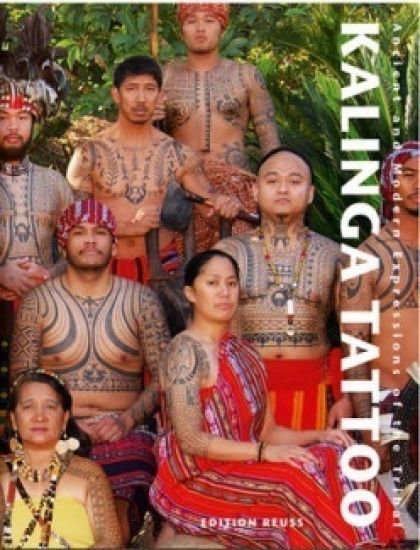
Text in English & German. This is a photographic masterpiece that explores the vanishing art of Kalinga tribal tattooing in the remote mountains of the northern Philippines. Combining the visionary talents of numerous international photographers and the words and stories of nearly fifty Kalinga elders, Kalinga Tattoo is the first book to tell the story of this incredibly rich tradition of indigenous body art that is believed to be 1,000 years old. Here's a rare trove of tattoo motifs, variations and interpretations which can reveal new perspectives for every interested tattooist. The journey begins with tattoo anthropologist Dr Lars Krutak's first encounter with the last Kalinga tattoo artist, the 91-year-old Whang-Od, and is followed by the moving poetry and song of tattooed Kalinga author and elder Natividad Sugguiyao. Sugguiyao's narratives provide an insider's perspective regarding the history and significance of Kalinga batok (tattoo), and they establish new ways of reading the messages encoded in this ancient art form of the skin. Krutak continues with an historical exploration entitled "History of Kalinga Tattoo Art" that focuses on those cultural institutions that were deeply intertwined with Kalinga tattooing itself. Dramatic images of tattooed men and women taken over the last 100 years and colourful village scenes and landscapes accentuate the chapter. Lars' detailed study into the significance of Kalinga tattooing proceeds with an illustrated discussion of the artistic motifs that comprise Kalinga tattoo art. This chapter, "Kalinga Tattooing Motifs" is an absolute must read for anyone seeking knowledge (spiritual or otherwise) of the real roots of tribal tattooing practices that are largely disappearing around the world today. Because warrior culture, headhunting, and religious ritual permeated nearly every facet of Kalinga tattooing practice, "Warrior Culture of the Kalinga" focuses on these customs. Krutak recounts his experiences with Kalinga warriors (old and new) and breathes life into long-forgotten Kalinga literature revolving around human sacrifice and other ceremonies associated with the human hunt. The nature of the research is outstanding and wonderfully detailed, and the words (and actions) of his Kalinga informants are truly unforgettable. What follows these texts is a remarkably beautiful photographic exhibition of the last generation of Kalinga warriors in vivid colour who earned their tattoos on the field of battle. "The Last Kalinga Tattoo Artist" looks at the life and work of Whang-Od, the last Kalinga mambabatok or tattooist, who dedicated her life to the art of her ancestors. Krutak, who lived with the master artisan for nearly two weeks, exposes for the first time in history the biography of this unique woman who for over seventy years has plied the skins of countless generations of Kalinga men and women with thorns and other natural tools. Finally, "Mark of the Four Waves Tribe" documents the artistic achievements of a growing number of young Filipino-Americans who since 1998 have each made a conscious individual effort to revive the indigenous tattooing traditions of the Kalinga and other tribal peoples of the Philippines. Whether through hand-tapping, hand-poking, or machined work, the Tribe's dedication to "The Movement" has resulted in the revitalisation of timeworn tribal designs with new design concepts that are beginning to approach the longstanding accomplishments of Polynesian artists who guided the tattoo renaissance across the Pacific in the early 1980s. For Krutak and Sugguiyao, the Tribe represents the very best of contemporary tribal tattoo culture because they dynamically express the enduring strength of time-tested indelible traditions that firmly anchor indigenous and modern concepts of identity on the skin for all to see.