Kirjojen hintavertailu. Mukana 12 595 353 kirjaa ja 12 kauppaa.

Kirjailija

Laszlo Bruszt

Kirjat ja teokset yhdessä paikassa: 2 kirjaa, julkaisuja vuodelta 1998, suosituimpien joukossa Postsocialist Pathways. Vertaile teosten hintoja ja tarkista saatavuus suomalaisista kirjakaupoista.

2 kirjaa

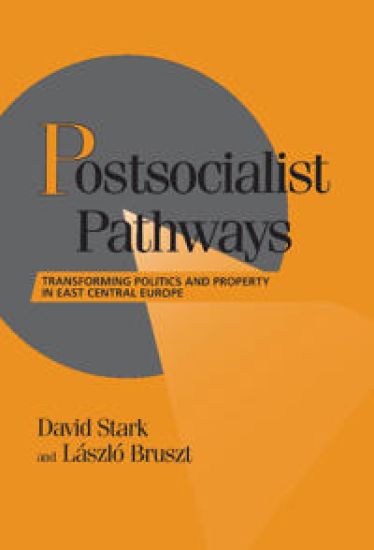
Postsocialist Pathways

Postsocialist Pathways

David Stark; Laszlo Bruszt

Cambridge University Press
1998
sidottu
Can property regimes be successfully transformed while simultaneously extending citizenship rights to the property-less? This is the postsocialist challenge analyzed in this comparative study of the new democracies of a distinctly East European capitalism. Tracing the diverse pathways from the collapse of communism, a leading American economic sociologist and a pioneering Hungarian political scientist examine the innovative character, born of necessity, of postsocialist institutions in which actors are recombining economic assets and redefining political resources. Under conditions of extraordinary uncertainty, networks of enterprises become the units of economic restructuring, blurring the boundaries of public and private and yielding distinctive patterns of interorganizational ownership. In contrast to calls to liberate the market or to liberate the state, this sustained comparative analysis demonstrates the benefits of deliberative institutions that are neither market friendly nor hierarchical. By extending accountability, actors bound through associative ties make agreements that extend the authority to carry out reforms.
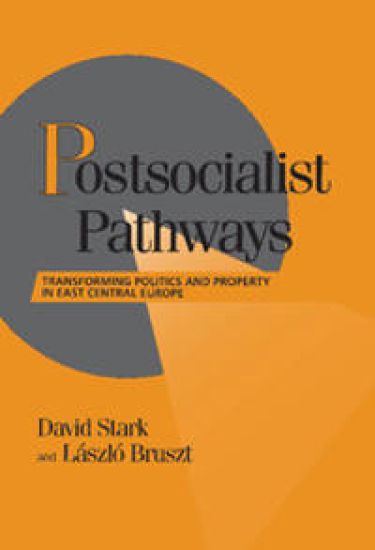
Postsocialist Pathways

Postsocialist Pathways

David Stark; Laszlo Bruszt

Cambridge University Press
1998
pokkari
Can property regimes be successfully transformed while simultaneously extending citizenship rights to the property-less? This is the postsocialist challenge analyzed in this comparative study of the new democracies of a distinctly East European capitalism. Tracing the diverse pathways from the collapse of communism, a leading American economic sociologist and a pioneering Hungarian political scientist examine the innovative character, born of necessity, of postsocialist institutions in which actors are recombining economic assets and redefining political resources. Under conditions of extraordinary uncertainty, networks of enterprises become the units of economic restructuring, blurring the boundaries of public and private and yielding distinctive patterns of interorganizational ownership. In contrast to recent calls to liberate the market or to liberate the state, this sustained comparative analysis demonstrates the benefits of deliberative institutions that are neither market friendly nor hierarchical. By extending accountability, actors bound through associative ties make agreements that extend the authority to carry out reforms.