Kirjojen hintavertailu. Mukana 12 595 353 kirjaa ja 12 kauppaa.

Kirjailija

Laura Apol

Kirjat ja teokset yhdessä paikassa: 7 kirjaa, julkaisuja vuosilta 2015-2024, suosituimpien joukossa Poetry, Poetic Inquiry and Rwanda. Vertaile teosten hintoja ja tarkista saatavuus suomalaisista kirjakaupoista.

7 kirjaa

Kirjojen julkaisuhaarukka 2015-2024.

Cauterized

Cauterized

Laura Apol

Michigan State University Press
2024
nidottu
Cauterize: to burn or freeze the flesh around a wound to stop heavy bleeding. In her sixth full-length collection, award-winning poet Laura Apol returns to themes of loss that are, at least partly, cauterized: her struggles with a conservative religious upbringing, her mother’s illness and death, children growing up and leaving home, losing her adult daughter to suicide, a worldwide pandemic, the casualties of age. With startling honesty, empathy, and lyrical precision, Apol offers insight into the ways some wounds need cautery to begin to heal. This is a book that will resonate with anyone who has grappled with the complexities of grief, forgiveness, resilience, and healing across time.
Poetry, Poetic Inquiry and Rwanda

Poetry, Poetic Inquiry and Rwanda

Laura Apol

Springer Nature Switzerland AG
2021
nidottu
This book describes the practice of poetic inquiry and takes the reader through the process of translating lived experience into poetry that attends to the lives of others. Using her own writing—from early drafts to published poems—Apol demonstrates elements of poetic inquiry that both give it strength and make it complicated: the importance of craft (the aesthetic); the imperative of accuracy and reliability (the investigative); the significance of ethical responsibility that leads to action (witness); and the centrality of relational connectedness and accountability (withness). Apol raises questions about what it means for poems to function as both research and art, and illustrates what happens when there are irresolvable conflicts between the demands of the poem and a commitment to relationship. Throughout, Apol addresses her white privilege, as well as the dominant white/colonial narrative that often seeps into arts-based work unless it is overtly and critically addressed. The book goes beyond arts-based research, speaking as well to other forms of cross-national, cross-cultural research. It is a call for relational scholarship that moves toward action, a heart-rending teaching, a post-traumatic aesthetic map laid down with clear and poignant theory and praxis to extend, serve and guide.
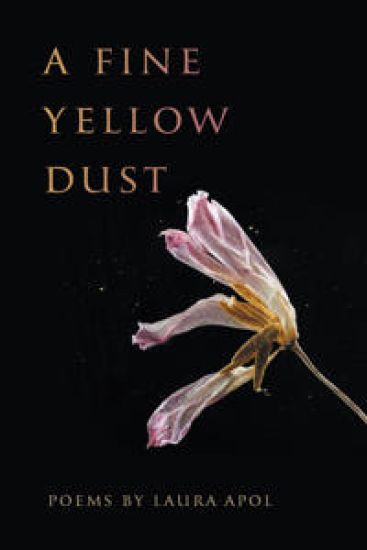
A Fine Yellow Dust

A Fine Yellow Dust

Laura Apol

Michigan State University Press
2021
nidottu
In late April 2017, Laura Apol’s twenty-six-year-old daughter, Hanna, took her own life. Apol had long believed in the therapeutic possibilities of writing, having conducted workshops on writing-for-healing for more than a decade. Yet after Hanna’s death, she had her own therapeutic writing to do, turning her anguish, disbelief, and love into poems that map the first year of loss. This collection is the result of that writing, giving voice to grief as it is lived, moment by moment, memory by memory, event by event. While most writing about loss does so from a distance, Apol chooses instead to write from inside those days and months and seasons, allowing readers to experience alongside the poet the moments, the questions, and the deep longings that shape the first grief-year.
Poetry, Poetic Inquiry and Rwanda

Poetry, Poetic Inquiry and Rwanda

Laura Apol

Springer Nature Switzerland AG
2020
sidottu
This book describes the practice of poetic inquiry and takes the reader through the process of translating lived experience into poetry that attends to the lives of others. Using her own writing—from early drafts to published poems—Apol demonstrates elements of poetic inquiry that both give it strength and make it complicated: the importance of craft (the aesthetic); the imperative of accuracy and reliability (the investigative); the significance of ethical responsibility that leads to action (witness); and the centrality of relational connectedness and accountability (withness). Apol raises questions about what it means for poems to function as both research and art, and illustrates what happens when there are irresolvable conflicts between the demands of the poem and a commitment to relationship. Throughout, Apol addresses her white privilege, as well as the dominant white/colonial narrative that often seeps into arts-based work unless it is overtly and critically addressed. The book goes beyond arts-based research, speaking as well to other forms of cross-national, cross-cultural research. It is a call for relational scholarship that moves toward action, a heart-rending teaching, a post-traumatic aesthetic map laid down with clear and poignant theory and praxis to extend, serve and guide.
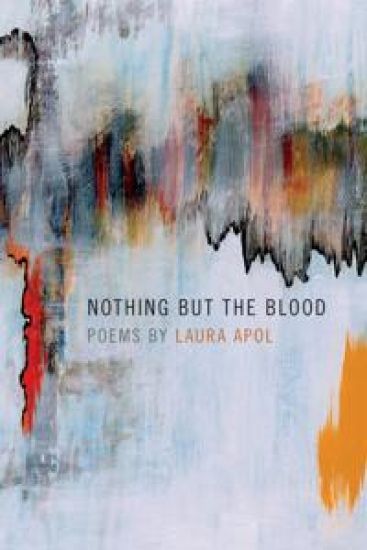
Nothing but the Blood

Nothing but the Blood

Laura Apol

Michigan State University Press
2018
nidottu
This collection is made up of poems that explore the evolution of belief, living in the body, daughter-mother and mother-daughter interactions, the celebration and failure of a longterm relationship, and the loss of friends and colleagues. Coming as they do at mid-life, the poems understand, appreciate, and often push back against the weight of both history and expectation.
Requiem, Rwanda

Requiem, Rwanda

Laura Apol

Michigan State University Press
2015
nidottu
A marvelous, moving new collection of poems, Requiem, Rwanda has its roots in 2006, when Laura Apol made her first trip to Rwanda. Apol’s initial goal was to develop, in conjunction with Rwandan and American colleagues, a project using narrative writing to facilitate healing among young survivors of the 1994 genocide. During the time she spent leading workshops, Apol felt moved to write her own poems, and after the writing-for-healing project ended, she returned to Rwanda several times to continue her creative work. The legacy of the genocide—on the people, on the land itself—makes its presence felt in many of the poems. The poems are also accounts of Apol’s relationships with and understandings of people post-genocide—where their stories go, how they reenter their lives, and how a country that has been deeply wounded by its history continues on. These poems don’t shy away from exploring the complications of being a white woman, a Westerner, and a witness in this setting: Apol relates her sense of compassion, privilege, horror, guilt, voyeurism, obligation, and love. This new collection is a rich testimonial to the strength of a nation and its people. The collection includes a closing essay, "Writer as a Witness."