Kirjojen hintavertailu. Mukana 12 390 323 kirjaa ja 12 kauppaa.

Kirjailija

Laura Lindenfeld

Kirjat ja teokset yhdessä paikassa: 4 kirjaa, julkaisuja vuosilta 2016-2025, suosituimpien joukossa Feasting Our Eyes. Vertaile teosten hintoja ja tarkista saatavuus suomalaisista kirjakaupoista.

4 kirjaa

Kirjojen julkaisuhaarukka 2016-2025.

Science Communication for Scientists

Science Communication for Scientists

Laura Lindenfeld; John C. Besley; Xia Zheng; Anthony Dudo; Todd P. Newman

TAYLOR FRANCIS LTD
2025
nidottu
Grounded in strategic thinking and social science research, this textbook empowers students to confidently navigate skillful and effective science communication.Developed by leading science, health, and risk communication scholars, the book provides a clear, research-informed approach to communicating with audiences across the scientific community and broader society. Readers explore how to put theory into practice through classroom-tested activities, international real-world examples, and thoughtful practice-oriented assignments. These tools help students to create audience-centered communication strategies, build habits of ethical and intentional engagement, and engage with a wide range of audiences, ultimately developing greater alignment between science and society. It prepares students to be more effective communicators and works to define science communication education by integrating practice with evidence and reflection.This text is ideal for graduate and upper-level undergraduate courses, especially in Science, Technology, Engineering, and Math fields and is an essential resource for the next generation of science communicators.Online resources such as training activities, further reading, videos and a test bank are available at www.routledge.com/9781032797335.
Science Communication for Scientists

Science Communication for Scientists

Laura Lindenfeld; John C. Besley; Xia Zheng; Anthony Dudo; Todd P. Newman

TAYLOR FRANCIS LTD
2025
sidottu
Grounded in strategic thinking and social science research, this textbook empowers students to confidently navigate skillful and effective science communication.Developed by leading science, health, and risk communication scholars, the book provides a clear, research-informed approach to communicating with audiences across the scientific community and broader society. Readers explore how to put theory into practice through classroom-tested activities, international real-world examples, and thoughtful practice-oriented assignments. These tools help students to create audience-centered communication strategies, build habits of ethical and intentional engagement, and engage with a wide range of audiences, ultimately developing greater alignment between science and society. It prepares students to be more effective communicators and works to define science communication education by integrating practice with evidence and reflection.This text is ideal for graduate and upper-level undergraduate courses, especially in Science, Technology, Engineering, and Math fields and is an essential resource for the next generation of science communicators.Online resources such as training activities, further reading, videos and a test bank are available at www.routledge.com/9781032797335.
Feasting Our Eyes

Feasting Our Eyes

Laura Lindenfeld; Fabio Parasecoli

Columbia University Press
2016
pokkari
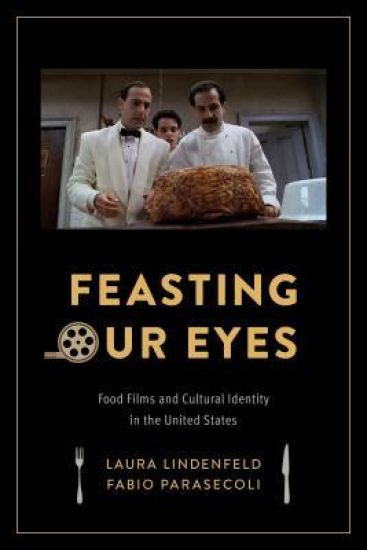
Big Night (1996), Ratatouille (2007), and Julie and Julia (2009) are more than films about food-they serve a political purpose. In the kitchen, around the table, and in the dining room, these films use cooking and eating to explore such themes as ideological pluralism, ethnic and racial acceptance, gender equality, and class flexibility-but not as progressively as you might think. Feasting Our Eyes takes a second look at these and other modern American food films to emphasize their conventional approaches to nation, gender, race, sexuality, and social status. Devoured visually and emotionally, these films are particularly effective defenders of the status quo. Feasting Our Eyes looks at Hollywood films and independent cinema, documentaries and docufictions, from the 1990s to today and frankly assesses their commitment to racial diversity, tolerance, and liberal political ideas. Laura Lindenfeld and Fabio Parasecoli find women and people of color continue to be treated as objects of consumption even in these modern works and, despite their progressive veneer, American food films often mask a conservative politics that makes commercial success more likely. A major force in mainstream entertainment, American food films shape our sense of who belongs, who has a voice, and who has opportunities in American society. They facilitate the virtual consumption of traditional notions of identity and citizenship, reworking and reinforcing ingrained ideas of power.
Feasting Our Eyes

Feasting Our Eyes

Laura Lindenfeld; Fabio Parasecoli

Columbia University Press
2016
sidottu
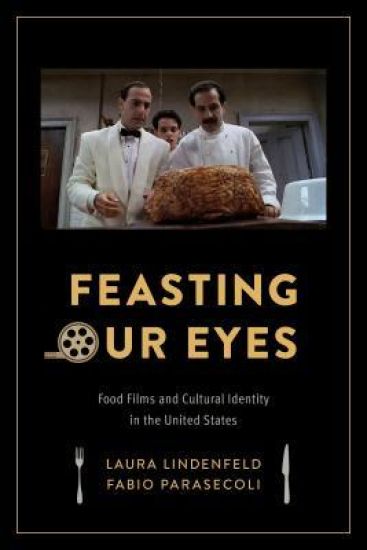
Big Night (1996), Ratatouille (2007), and Julie and Julia (2009) are more than films about food-they serve a political purpose. In the kitchen, around the table, and in the dining room, these films use cooking and eating to explore such themes as ideological pluralism, ethnic and racial acceptance, gender equality, and class flexibility-but not as progressively as you might think. Feasting Our Eyes takes a second look at these and other modern American food films to emphasize their conventional approaches to nation, gender, race, sexuality, and social status. Devoured visually and emotionally, these films are particularly effective defenders of the status quo. Feasting Our Eyes looks at Hollywood films and independent cinema, documentaries and docufictions, from the 1990s to today and frankly assesses their commitment to racial diversity, tolerance, and liberal political ideas. Laura Lindenfeld and Fabio Parasecoli find women and people of color continue to be treated as objects of consumption even in these modern works and, despite their progressive veneer, American food films often mask a conservative politics that makes commercial success more likely. A major force in mainstream entertainment, American food films shape our sense of who belongs, who has a voice, and who has opportunities in American society. They facilitate the virtual consumption of traditional notions of identity and citizenship, reworking and reinforcing ingrained ideas of power.