Kirjojen hintavertailu. Mukana 12 595 353 kirjaa ja 12 kauppaa.

Kirjailija

Laura Micciche

Kirjat ja teokset yhdessä paikassa: 3 kirjaa, julkaisuja vuosilta 2017-2026, suosituimpien joukossa Living Menopause. Vertaile teosten hintoja ja tarkista saatavuus suomalaisista kirjakaupoista.

3 kirjaa

Kirjojen julkaisuhaarukka 2017-2026.

Living Menopause

Living Menopause

Anne E. Green; Bryna Siegel Finer; Cathryn Molloy; Cristina Hanganu-Bresch; Jamie White-Farnham; Laura Micciche; Lori Beth de Hertogh

BLOOMSBURY PUBLISHING PLC
2026
sidottu
Blending rhetorical analysis, qualitative research, and lived experience, Living Menopause: Rhetorics, Tensions, and Futures explores the forces that have long framed menopause as a problem to solve, a decline to fear, and a market to exploit. Against this backdrop, the authors craft expansive, agency-affirming futures for living with/and/through menopause. Across six chapters, the authors trace how menopause circulates through medical research, workplace expectations, caregiving pressures, health applications, and popular media. They show how decades of medicalization, beauty culture, and binary thinking through various “menobooms” have constrained what menopause can mean—and what women are allowed to feel, choose, or imagine during this transition. Living Menopause invites scholars and practitioners to join a conversation already underway—one that challenges stigma, expands agency, and opens new futures for how we understand and experience menopause. Ultimately, this book encourages readers to continue to critique and think outside current menopause discourse en route to imagining, constructing, and demanding new stories around the menopause experience.
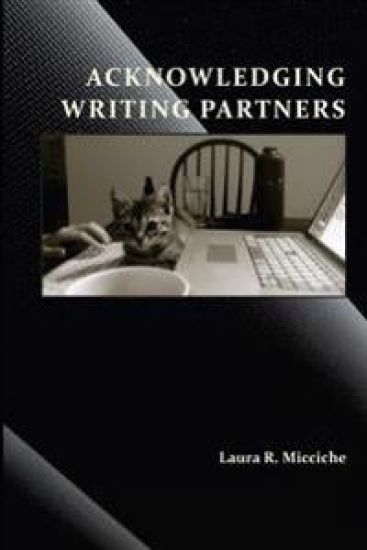
Acknowledging Writing Partners

Acknowledging Writing Partners

Laura Micciche

University Press of Colorado
2017
nidottu
Acknowledging Writing Partners treats the genre of written acknowledgements as a lens for viewing writing as a practice of indebted partnerships. Like new media scholars who have argued that studying ubiquitous technologies such as the pencil reveals the mundane and profound ways in which writing is always mediated by tools, Laura R. Micciche argues that writing activities are frequently mediated by human and non-human others, advancing a view of composing that accounts for partners who emerge in acknowledgements: feelings, animals, and random material phenomena. Acknowledgements are micro economies of debt and praise; they reveal writing's connectedness, often repressed by the argument or set of propositions that follow. Micciche suggests new methods for studying and theorizing writing that take into account the whole surround of writing. In doing so, Micciche asks what difference this economy makes to dominant conceptions of writers and writing as well as to pedagogical principles that inform writing instruction—and what difference it make to writers.