Kirjojen hintavertailu. Mukana 12 657 676 kirjaa ja 12 kauppaa.
Kirjailija
Laura Zakaras
Kirjat ja teokset yhdessä paikassa: 9 kirjaa, julkaisuja vuosilta 2001-2015, suosituimpien joukossa Gifts of the Muse. Vertaile teosten hintoja ja tarkista saatavuus suomalaisista kirjakaupoista.
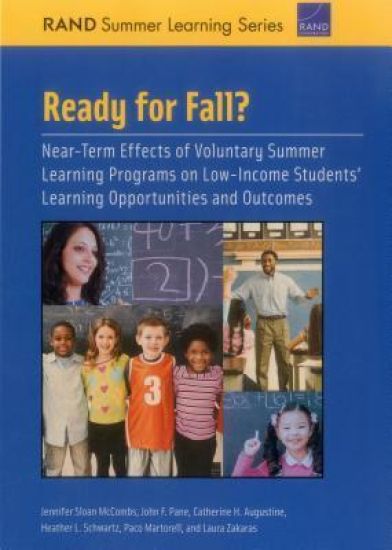
The Wallace Foundation s National Summer Learning Study, conducted by RAND and launched in 2011, offers the first assessment of district-run voluntary summer programs over the short and long run. This report, the second of five that will result from the study, looks at how summer programs affected student performance on math, reading, and social and emotional assessments in fall 2013."
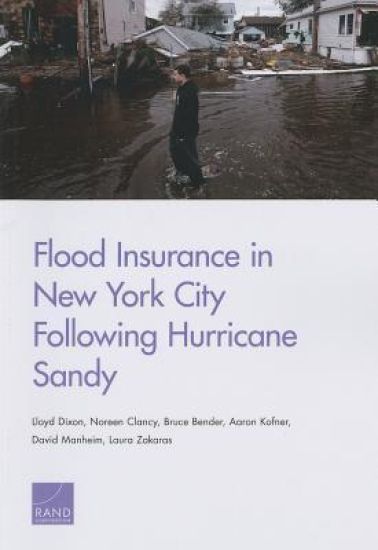
Flood insurance payments can help households and businesses recover from an event and get the economy moving again. Premiums can also provide appropriate incentives to avoid or mitigate risk. This report examines dimensions of the changing flood insurance environment in New York City and explores the consequences for the city s residents and businesses."
RAND is conducting a longitudinal study that evaluates the effectiveness of voluntary summer learning programs in reducing summer learning loss, which contributes substantially to the achievement gap between low- and higher-income students. Based on evaluations of programs in six school districts, this second report in a series provides research-based advice for school district leaders as they create and strengthen summer programs.
The lawsuit is the cornerstone of the civil justice system in America, and an open court the foundation of American jurisprudence. In a public setting, we resolve disputes, determine liability, and compensate injuries. In recent decades, however, more civil disputes have been resolved out of court and the outcomes have been kept secret. Fewer than 5 percent of the tens of millions of injury claims annually are actually resolved through a public trial with a jury, and the vast majority are settled out of court or through private forums, such as mediation or arbitration, with undisclosed terms. Some argue that the confidentiality of the system keeps it working efficiently and fairly; others argue that the public is being denied information about hazards that may cause harm and that a public system with no data lacks oversight. This collection of essays by leading legal scholars is the first book to approach the issue in a multidisciplinary, nonpartisan, and empirical manner. The essays provide empirical analyses and case studies of the impact of greater disclosure on various aspects of the system, ranging from settlement values to fraud, and propose several novel prescriptions for reform. With special attention to the emergence of modern mass litigation, the authors identify a number of benefits to increasing access to information, including decreased fraud, improved public understanding and confidence in the system, and lower transactions costs. The authors make policy recommendations--such as expanding access to existing databases and using technology to create new databases--that increase transparency while protecting the need for privacy.
What does it means to cultivate demand for the arts? Why is it important and necessary to do so? What can state arts agencies and other arts and education policymakers do to make it happen? The authors set out a framework for thinking about supply and demand in the arts and identify the roles that different factors, particularly arts learning, play in increasing demand for the arts.
This study offers a new framework for understanding how the arts create private and public value, highlights the importance of the arts' intrinsic benefits, and identifies how both instrumental and intrinsic benefits are created. During the past decade, arts advocates have relied on an instrumental approach to the benefits of the arts in arguing for support of the arts. This report evaluates these arguments and asserts that a new approach is needed. This new approach offers a more comprehensive view of how the arts create private and public value, underscores the importance of the arts' intrinsic benefits, and links the creation of benefits to arts involvement.
Assesses the impact of MICRA's limits on plaintiffs' awards and attorneys' fees on final judgments in medical malpractice cases A model for limits on trial awards and attorneys' fees in medical malpractice cases is the Medical Injury Compensation Reform Act (MICRA), a law enacted in California in 1975 in the hope of controlling soaring medical malpractice insurance premiums and ensuring the continuing availability of malpractice insurance. MICRA caps awards for non-economic losses at USD250,000 and limits plaintiffs' attorney fees. The authors examine the effects these limits have on both plaintiffs' awards and defendants' liabilities.
One liner: Examines the state of the performing arts in America: audiences, artists, and performing groups and their financial health. Abstract text: What is the state of the performing arts in America at the turn of the 21st century? After decades of expansion, how are performing arts organizations faring? Has demand for live performances been increasing or decreasing? Are more Americans choosing the performing arts as a profession? And what is the likely effect of the internet on the arts? The authors identify key trends affecting audiences, artists, arts organizations, and financing for all the performing arts. The most dramatic growth in demand for the performing arts has taken place in the market for recorded and broadcast performances. Live performances are increasingly provided by small performing groups at the community level--low-budget dance troupes, music groups, and theater ensembles that perform for little or no pay. In a few major cities, the largest and best-known organizations are growing even larger by focusing on star-studded productions that pull in the crowds.But conventional midsized arts organizations--once seen as the foremost purveyors of culture to middle America--are under significant financial stress. These and other trends suggest that policies that support artists and arts organizations may be less effective than strategies encouraging greater participation in the arts by a wider range of Americans in a wider range of art forms.