Kirjojen hintavertailu. Mukana 12 390 323 kirjaa ja 12 kauppaa.

Kirjailija

Lawney L. Reyes

Kirjat ja teokset yhdessä paikassa: 4 kirjaa, julkaisuja vuosilta 2006-2013, suosituimpien joukossa B Street. Vertaile teosten hintoja ja tarkista saatavuus suomalaisista kirjakaupoista.

4 kirjaa

Kirjojen julkaisuhaarukka 2006-2013.

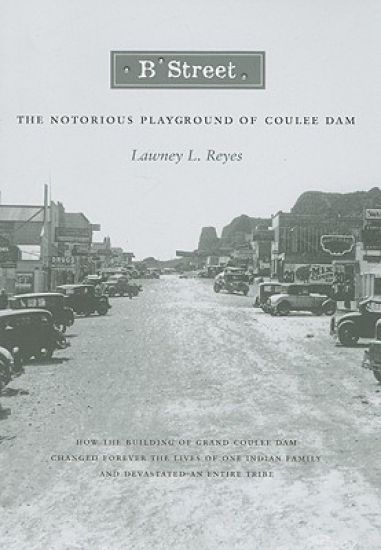
B Street

B Street

Lawney L. Reyes

University of Washington Press
2008
pokkari
B Street tells intimate stories about the street of shops, restaurants, bars, and brothels where the workmen who built the Grand Coulee Dam spent their recreational hours and wages. From the beginning, B Street was the place to play and let off steam for the white workingmen who had faced the hard times of the Depression. It was a raucous playground that denied blacks and most dark-skinned Indians access to the frivolity, good times, and pretty ladies that were the main attractions of that provocative place.This vivid story of a colorful era is based largely on the memories of Lawney L. Reyes. As a young boy he wandered B Street with his little sister, Luana, and their dog, Pickles, while their Indian mother and Filipino father eked out a living running a Chinese restaurant. His mother's diary and the stories told by his parents and older members of the Sin-Aikst tribe contribute to his story.Reyes tells of hard times, dreams, and extreme courage and reveals the humor, toughness, and recklessness of the adventurers who came to work on the dam. He also describes the history and culture of the Indians whose villages were flooded and whose way of life was irrevocably changed by the building of the Grand Coulee Dam.
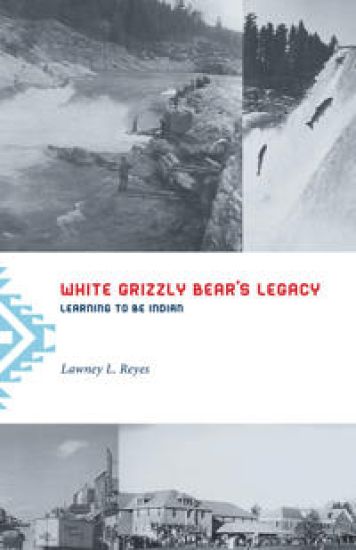
White Grizzly Bear's Legacy

White Grizzly Bear's Legacy

Lawney L. Reyes

University of Washington Press
2013
pokkari
"I walked across the highway and stood on the bank overlooking Lake Roosevelt. My attention was directed to the area where Kettle Falls once flowed. As I stood there the wind came. As I listened I imagined that it talked to me. It seemed that it was telling me of how things once were. I began to think of friends and relatives who were no longer living. They began to appear before me, perched on the large rocks, fishing for the great salmon."In his distinctive voice, Lawney Reyes, grandson of Pic Ah Kelowna or White Grizzly Bear of the Sin Aikst, relates the history of his family and his people. The Sin Aikst are now known as the Lakes tribe, absorbed into the Colville Confederated Tribes of eastern Washington. And where Kettle Falls once flowed and the Sin Aikst once fished are places that exist now only in memory, flooded when the Grand Coulee Dam was completed in 1942. Reyes uses personal and family history to explore the larger forces that have confronted all Native Americans: displacement, acculturation, and the potent force of self-renewal.The son of a Filipino immigrant and a mother who traced her ancestry to the earliest known leaders of the Sin Aikst, Reyes paints a vivid picture of his early life in the Indian village of Inchelium, destroyed by the building of the dam. Reyes describes the loss of homeland and traditional ways of life, the scarcities that followed, and the experiences of a court-ordered Indian boarding school in Oregon. These well-known facts of loss and injustice take on a compelling dimension in Reyes's blend of history and autobiography, brought to life by the vivid images and personalities he describes.Despite the loss of heritage beneath the waters of the Columbia River and the flood of white acculturation, Reyes and his younger brother, the late Native American leader Bernie Whitebear, were able to fashion rich lives in a changed world, lives that honor the past while engaging with the present.
White Grizzly Bear's Legacy

White Grizzly Bear's Legacy

Lawney L. Reyes

University of Washington Press
2013
sidottu
"I walked across the highway and stood on the bank overlooking Lake Roosevelt. My attention was directed to the area where Kettle Falls once flowed. As I stood there the wind came. As I listened I imagined that it talked to me. It seemed that it was telling me of how things once were. I began to think of friends and relatives who were no longer living. They began to appear before me, perched on the large rocks, fishing for the great salmon."In his distinctive voice, Lawney Reyes, grandson of Pic Ah Kelowna or White Grizzly Bear of the Sin Aikst, relates the history of his family and his people. The Sin Aikst are now known as the Lakes tribe, absorbed into the Colville Confederated Tribes of eastern Washington. And where Kettle Falls once flowed and the Sin Aikst once fished are places that exist now only in memory, flooded when the Grand Coulee Dam was completed in 1942. Reyes uses personal and family history to explore the larger forces that have confronted all Native Americans: displacement, acculturation, and the potent force of self-renewal.The son of a Filipino immigrant and a mother who traced her ancestry to the earliest known leaders of the Sin Aikst, Reyes paints a vivid picture of his early life in the Indian village of Inchelium, destroyed by the building of the dam. Reyes describes the loss of homeland and traditional ways of life, the scarcities that followed, and the experiences of a court-ordered Indian boarding school in Oregon. These well-known facts of loss and injustice take on a compelling dimension in Reyes's blend of history and autobiography, brought to life by the vivid images and personalities he describes.Despite the loss of heritage beneath the waters of the Columbia River and the flood of white acculturation, Reyes and his younger brother, the late Native American leader Bernie Whitebear, were able to fashion rich lives in a changed world, lives that honor the past while engaging with the present.
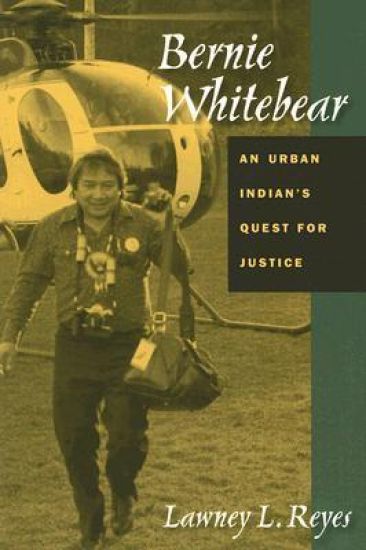
Bernie Whitebear

Bernie Whitebear

Lawney L. Reyes

University of Arizona Press
2006
nidottu
When American Indians left reservations in the 1950s, enticed by the federal government's relocation program, many were drawn to cities like Tacoma and Seattle. But in these new homes they found unemployment and discrimination, and they were no better off. Sin Aikst Indian Bernie Whitebear was an urban activist in the Pacific Northwest during the last decades of the twentieth century, a man dedicated to improving the lives of Indians and other ethnic groups by working for change and justice. He unified Northwest tribes to fight for the return of their land and was the first to accomplish this in the United States. But far from a fearsome agitator, Bernie was a persuasive figure who won the praise and admiration of an entire community. Bernie began organizing powwows in the 1960s with an eye toward greater authenticity; and by making a name in the Seattle area as an entertainment promoter, he soon became a successful networker and master of diplomacy, enabling him to win over those who had long ignored the problems of urban Indians. Soft-spoken but outspoken, Bernie successfully negotiated with officials at all levels of government on behalf of Indians and other minorities, crossing into political territory normally off-limits to his people. Bernie Whitebear's story takes readers from an impoverished youth?including a rare account of life on the Colville Reservation during the 1930s to the ?Red Power? movement as it traces Bernie's emergence as an activist influenced by contemporaries such as Bob Satiacum, Vine DeLoria, and Joe Delacruz. By choosing this course, Bernie was clearly making a break with his past, but with an eye toward a better future, whether staging the successful protest at Fort Lawton or acting on behalf of Native fishing rights in Puget Sound. When he died in July 2000, Bernie Whitebear had left an inestimable legacy, accomplishing things that no other Indian seemed able to do. His biography is an inspiring story for readers at many levels, an account of how one American Indian overcame hardships and obstacles to make a difference in the lives of his people, nd an entire community.