
Kirjojen hintavertailu. Mukana 12 390 323 kirjaa ja 12 kauppaa.

Kirjailija

Lawrence C. Jennings

Kirjat ja teokset yhdessä paikassa: 2 kirjaa, julkaisuja vuosilta 2000-2006, suosituimpien joukossa French Anti-Slavery. Vertaile teosten hintoja ja tarkista saatavuus suomalaisista kirjakaupoista.

2 kirjaa

Kirjojen julkaisuhaarukka 2000-2006.

French Anti-Slavery

French Anti-Slavery

Lawrence C. Jennings

Cambridge University Press
2006
pokkari
Some works have examined the first and temporary abolition of French colonial slavery during the French Revolutionary era, but relatively little is known about the second French abolitionist movement that culminated in the freeing of a quarter of a million slaves in 1848. This book fills the huge gap in existing historiography by providing a detailed study of French anti-slavery forces during this period, explaining why France abolished colonial slavery fifteen years later than Britain but fifteen years before emancipation in the United States. It traces the largely political struggle of a cautious, elitist group of humanitarians against a well-organized colonial lobby and a largely indifferent July Monarchy government. The few radical, determined abolitionists, like the black Cyrille Bissette, were too marginal to move French public opinion and bring about abolition until the Revolution of 1848 brought the Second Republic to power.
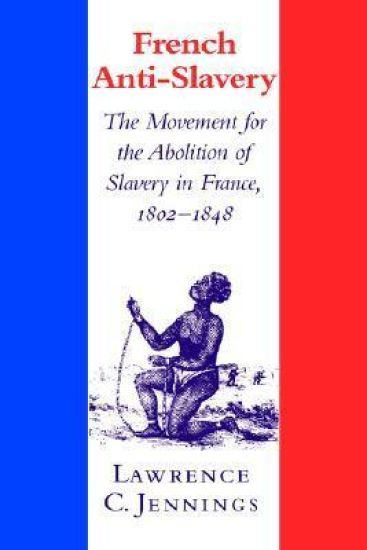
French Anti-Slavery

French Anti-Slavery

Lawrence C. Jennings

Cambridge University Press
2000
sidottu
Some works have examined the first and temporary abolition of French colonial slavery during the French Revolutionary era, but relatively little is known about the second French abolitionist movement that culminated in the freeing of a quarter of a million slaves in 1848. This book fills the huge gap in existing historiography by providing the first detailed study of French anti-slavery forces during this period, explaining why France abolished colonial slavery fifteen years later than Britain but fifteen years before emancipation in the United States. It traces the largely political struggle of a cautious, elitist group of humanitarians against a well-organized colonial lobby and a largely indifferent July Monarchy government. The few radical, determined abolitionists, like the black Cyrille Bissette, were too marginal to move French public opinion and bring about abolition until the Revolution of 1848 brought the Second Republic to power.