
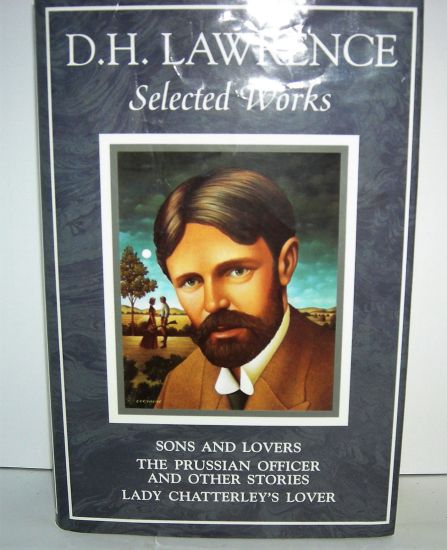
Kirjailija
Lawrence D. H.
Kirjat ja teokset yhdessä paikassa: 7 kirjaa, julkaisuja vuosilta 1994-2022, suosituimpien joukossa D.H.Lawrence. Vertaile teosten hintoja ja tarkista saatavuus suomalaisista kirjakaupoista.
Mukana myös kirjoitusasut: Lawrence-D H., Lawrence D.H.
7 kirjaa
Kirjojen julkaisuhaarukka 1994-2022.

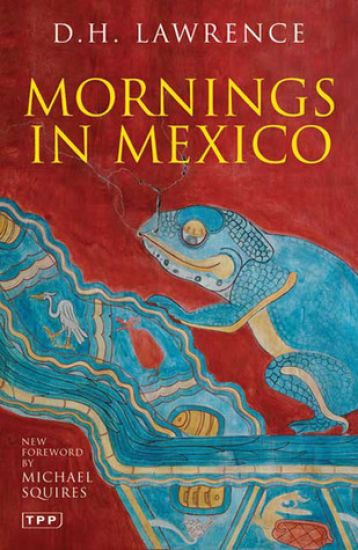
Much of D.H. Lawrence's life was defined by his passion for travel and it was those peripatetic wanderings that gave life to some of his greatest novels. In the 1920s, Lawrence travelled several times to Mexico, where he was fascinated by the clash of beauty and brutality, purity and darkness that he observed there. The diverse and evocative essays that make up "Mornings in Mexico" - "Market Day", "Dance of the Sprouting Corn", "The Hopi Snake Dance" - bring to life the elemental simplicity of the Zapotec Indians in Mexico, the intense, dark rhythms of the Indians in the American South West and are brightly adorned with simple and evocative details sharply observed: piles of fruit in a village market, strolls in a courtyard filled with hibiscus and roses, the play of light on an adobe wall. It was during his time in Mexico that Lawrence re-wrote "The Plumed Serpent", which is infused with his own experiences there. The spirited eloquence and beauty of the essays in "Mornings in Mexico" thus illuminate the inspiration behind of one of Lawrence's most loved works and immerse the reader in a portrait of the country like no other.
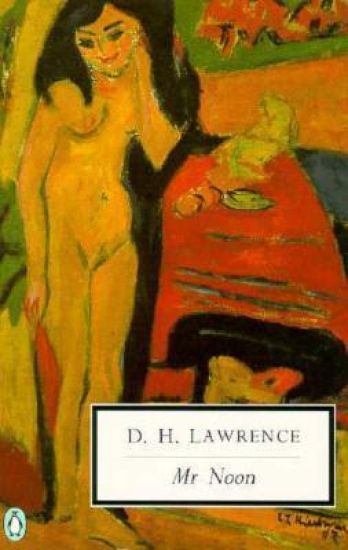
The first annotated paperback publication of Lawrence's autobiographical and strikingly innovative unfinished novel Begun in 1920, Mr Noon is divided into two distinct parts, the first of which appeared in 1934 and the second of which remained unpublished until the Cambridge edition of 1984, the first publication of the novel in full. Abandoning a promising academic career at Cambridge, Gilbert Noon returns to Whetstone, where he becomes a teacher at the local technical school. His rootlessness leads him into an inept experiment of 'spoony' love with a fellow schoolteacher, Emmie Bostock. The ensuing scandal causes him to flee to Germany, where he finds true passion in his developing relationship with Johanna, the unhappily married wife of an English doctor.For more than seventy years, Penguin has been the leading publisher of classic literature in the English-speaking world. With more than 1,700 titles, Penguin Classics represents a global bookshelf of the best works throughout history and across genres and disciplines. Readers trust the series to provide authoritative texts enhanced by introductions and notes by distinguished scholars and contemporary authors, as well as up-to-date translations by award-winning translators.
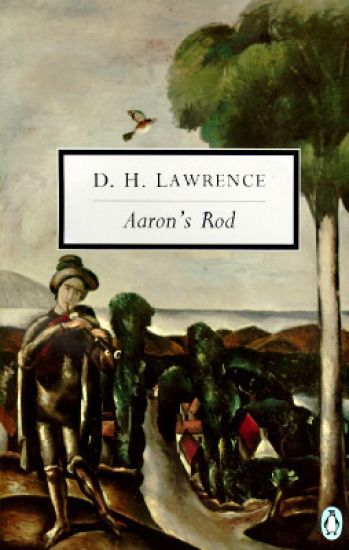
Based on the only authoritative surviving manuscript of the 1921 novel, this Cambridge edition restores many passages censored from previous editions in its depiction of Everyman's quest for a meaningful existence.For more than seventy years, Penguin has been the leading publisher of classic literature in the English-speaking world. With more than 1,700 titles, Penguin Classics represents a global bookshelf of the best works throughout history and across genres and disciplines. Readers trust the series to provide authoritative texts enhanced by introductions and notes by distinguished scholars and contemporary authors, as well as up-to-date translations by award-winning translators.
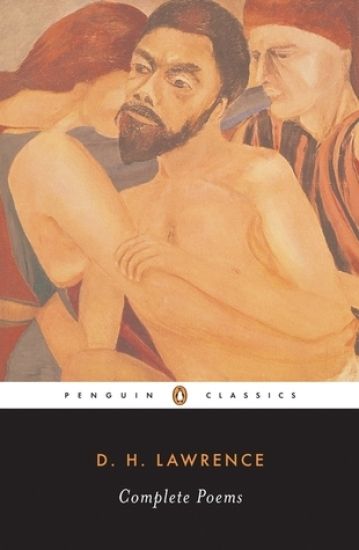
This collection includes all the poems from the incomplete "Collected Poems" of 1929 and from the separate smaller volumes issued during Lawrence's lifetime; uncollected poems; an appendix of juvenilia and another containing variants and early drafts; and all Lawrence's critical introductions to his poems. It also includes full textual and explanatory notes.

''The Virgin and the Gipsy'', written as a brief fiction titled by English novelist D.H. Lawrence, was posthumously released in 1930. Due to the spelling of "Gipsy" in the original and early editions, the title The Virgin and the Gypsy that is used today can be confusing. The novel includes Two sisters, daughters of an Anglican vicar, who return from finishing school overseas to a drab, lifeless East Midlands rectory. Their mother has run off with another man and their father is deeply humiliated. Yvette sees her father as a mean-spirited and cowardly person for the first time. The book's conclusion has a shocking turn of events. A huge flood surges through the vale, coming from a burst dam at a nearby reservoir. In the nick of time, the brave gipsy man rescues Yvette despite the fact that the flood washes most of the rectory away. The gipsy man represents male sexuality as well as individual freedom. Lawrence saw himself as a liberator for people who needed to experience life without fear or shame. Yvette is like the reincarnation of her mother's rebellious nature as she yearns for freedom.