Kirjojen hintavertailu. Mukana 12 151 390 kirjaa ja 12 kauppaa.

Kirjailija

Lawrence Woods

Kirjat ja teokset yhdessä paikassa: 9 kirjaa, julkaisuja vuosilta 2005-2020, suosituimpien joukossa William Jefferson Hardin and the Ghost of Slavery. Vertaile teosten hintoja ja tarkista saatavuus suomalaisista kirjakaupoista.

Mukana myös kirjoitusasut: Lawrence Woods

9 kirjaa

Kirjojen julkaisuhaarukka 2005-2020.

William Jefferson Hardin and the Ghost of Slavery
Early in his life, Hardin knew he was born a free person of color, and by the time he was twenty, he knew he had a more comprehensive education than most of the white men of his age. In the West, he actually looked French or Spanish, but he still was proud that he was of one-eighth African descent. In 1850 Hardin was twenty, when the Fugitive Slave Law created a terrible threat to a free person of color, as slave-catchers then roamed the northern states, seeking people they could seize, process through the poor enforcement of the law, and resell southward. He soon moved to Canada, as a safer place to live, but "didn't like" that country, and returned to Wisconsin (a part of the old Northwest Territory, where slavery was illegal). Then in 1857, the Supreme Court said that people of African descent were "inferior," whether slave or free. In Colorado in 1863, Hardin was a barber, that favorite occupation of African American men, who associated with the upper classes of white men, and if personable-as Hardin was-made valuable friends. Soon he was speaking to "overflow" crowds, even though he was telling the story of a Haitian slave's successful revolt against the French. He even got a job with the Denver mint. But although he had never been a slave, the ghost of slavery still lurked behind him, and an editor, writing about the mint job, said that Hardin had an "ugly black mug."
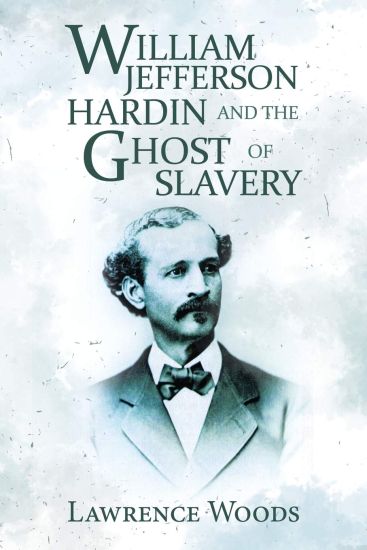
William Jefferson Hardin and the Ghost of Slavery
Early in his life, Hardin knew he was born a free person of color, and by the time he was twenty, he knew he had a more comprehensive education than most of the white men of his age. In the West, he actually looked French or Spanish, but he still was proud that he was of one-eighth African descent. In 1850 Hardin was twenty, when the Fugitive Slave Law created a terrible threat to a free person of color, as slave-catchers then roamed the northern states, seeking people they could seize, process through the poor enforcement of the law, and resell southward. He soon moved to Canada, as a safer place to live, but "didn't like" that country, and returned to Wisconsin (a part of the old Northwest Territory, where slavery was illegal). Then in 1857, the Supreme Court said that people of African descent were "inferior," whether slave or free. In Colorado in 1863, Hardin was a barber, that favorite occupation of African American men, who associated with the upper classes of white men, and if personable-as Hardin was-made valuable friends. Soon he was speaking to "overflow" crowds, even though he was telling the story of a Haitian slave's successful revolt against the French. He even got a job with the Denver mint. But although he had never been a slave, the ghost of slavery still lurked behind him, and an editor, writing about the mint job, said that Hardin had an "ugly black mug."
Edward Shelley's Journal, 1856-61

Edward Shelley's Journal, 1856-61

Lawrence Woods

AuthorHouse
2005
sidottu
Fresh from a stint recruiting Albanians to fight the Cossacks in the Crimean War, Edward Shelley embarked for South America, to avoid tiresome (and embarrassing) Parliamentary hearings back home. Thus began a trip around the world over the next 52 months, as he searched for adventure and new scenes to explore, stopping at intervals to collect traveling money from home. Shelley found adventure in full measure, crossing the Andes, passing through revolution-ravaged Mexico, sleeping alongside an erupting Hawaiian volcano and following invading British and French armies into China; and even close brushes with death receive only laconic mention in his journal. Annotations of the journal typescript explain journal some obscure entries and provide the historical and geographical context for his travels.
Edward Shelley's Journal, 1856-61

Edward Shelley's Journal, 1856-61

Lawrence Woods

AuthorHouse
2005
pokkari
Fresh from a stint recruiting Albanians to fight the Cossacks in the Crimean War, Edward Shelley embarked for South America, to avoid tiresome (and embarrassing) Parliamentary hearings back home. Thus began a trip around the world over the next 52 months, as he searched for adventure and new scenes to explore, stopping at intervals to collect traveling money from home. Shelley found adventure in full measure, crossing the Andes, passing through revolution-ravaged Mexico, sleeping alongside an erupting Hawaiian volcano and following invading British and French armies into China; and even close brushes with death receive only laconic mention in his journal. Annotations of the journal typescript explain journal some obscure entries and provide the historical and geographical context for his travels.