
Kirjailija
Leah Dickerman
Kirjat ja teokset yhdessä paikassa: 4 kirjaa, julkaisuja vuosilta 2009-2017, suosituimpien joukossa Robert Rauschenberg. Vertaile teosten hintoja ja tarkista saatavuus suomalaisista kirjakaupoista.
4 kirjaa
Kirjojen julkaisuhaarukka 2009-2017.
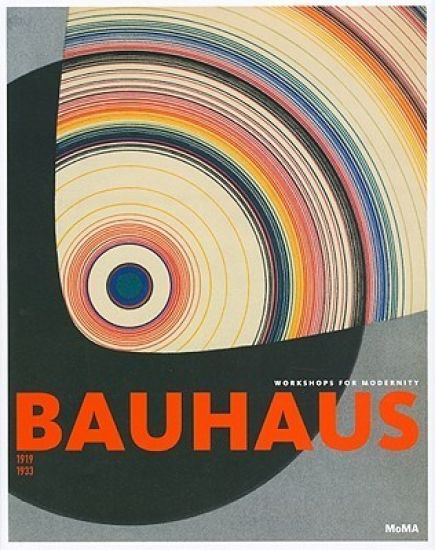
The Bauhaus, the school of art and design founded in Germany in 1919 and shut down by the Nazis in 1933, brought together artists, architects and designers in an extraordinary conversation about modern art. "Bauhaus 1919-1933", published to accompany a major multimedia exhibition at MoMA, is the first comprehensive treatment of the subject by MoMA since 1938 and offers a new generational perspective on the 20th century's most influential experiment in artistic education. It brings together works in a broad range of mediums, including industrial design, furniture, architecture, graphics, photography, textiles, ceramics, theatre and costume design, and painting and sculpture many of which have rarely if ever been seen outside of Germany. Featuring about 400 colour plates and a rich range of documentary images, this publication includes two overarching images by the exhibitions curators, Leah Dickerman and Barry Bergdoll, concise interpretive essays on key objects by over twenty leading scholars, and an illustrated, narrative chronology.

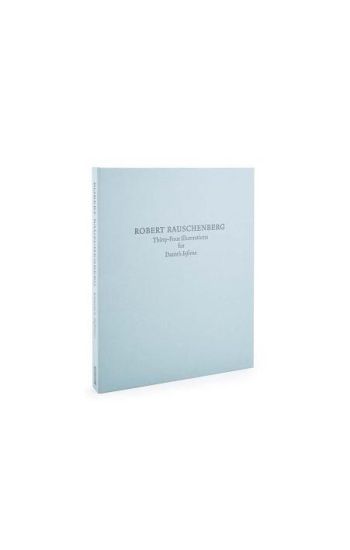
In the mid-1950s, declaring "there is no reason not to consider the world as a gigantic painting," Robert Rauschenberg began a series of radical experiments with what he called "Combines," a term he coined to describe works that fused cast-off items like quilts or rubber tires with traditional supports. "Canyon" (1959), one of the artist's best-known Combines, is a large canvas affixed with paper, fabric, metal, personal photographs, wood, mirrors and one very striking object: a large stuffed bald eagle, wings outstretched, carrying a drooping pillow, and balanced upon a wooden plank jutting out from the canvas. "Canyon" is one of six Combines in MoMA's collection, and a landmark work that helped to revolutionize art in the postwar period. An essay by curator Leah Dickerman explores the legacy of this extraordinary piece, and places it within a key period in Rauschenberg's career.

Diego Rivera: Murals for The Museum of Modern Art
Leah Dickerman; Anna Indych-López
Museum of Modern Art
2011
sidottu
In 1931, Diego Rivera was the subject of The Museum of Modern Art's second monographic exhibition, which set attendance records in its five-week run. The Museum brought Rivera to New York six weeks before the opening and provided him a studio space in the building. There he produced five portable murals large blocks of frescoed plaster, slaked lime and wood that feature bold images drawn from Mexican subject matter and address themes of revolution and class inequity. After the opening, to great publicity, Rivera added three more murals, taking on New York subjects through monumental images of the urban working class. Published in conjunction with an exhibition that brings together key works from Rivera's 1931 show and related material, this vividly illustrated catalogue casts the artist as a highly cosmopolitan figure who moved between Russia, Mexico and the United States and examines the intersection of art-making and radical politics in the 1930s.