Kirjojen hintavertailu. Mukana 12 595 353 kirjaa ja 12 kauppaa.

Kirjailija

Lee Kennett

Kirjat ja teokset yhdessä paikassa: 4 kirjaa, julkaisuja vuosilta 1975-1999, suosituimpien joukossa The French Forces in America, 1780-1783. Vertaile teosten hintoja ja tarkista saatavuus suomalaisista kirjakaupoista.

4 kirjaa

Kirjojen julkaisuhaarukka 1975-1999.

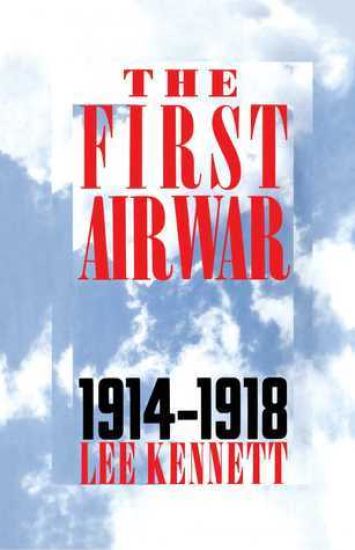
The First Air War

The First Air War

Lee Kennett

The Free Press
1999
pokkari
Historian Lee Kennett takes on the vital task of detailing the World War I aviator in this complete overview of the first air war, that Richard P. Hallion calls, "A welcome and long overdue addition to the literature of military aviation.""The whole subject of the first air war is like some imperfectly explored country: there are areas that have been crisscrossed by several generations of historians; there are regions where only writers of dissertations and abstruse monographs have ventured, and others yet that remain terra incognita," historian Lee Kennett tells his readers. There are very few books that explore military avition and its history to the fullest extent as Kennett has done in First Air War. The purpose of this book is to act as a complete overview on topics and histories that have previously gone unexplored. He tells of World War I fliers and their experiences "on all fronts and skillfully places them in proper context" (Edward M. Coffman, author of The Old Army). In considerate detail, Kennett tells the full story on how a few planes became the armies of the sky.
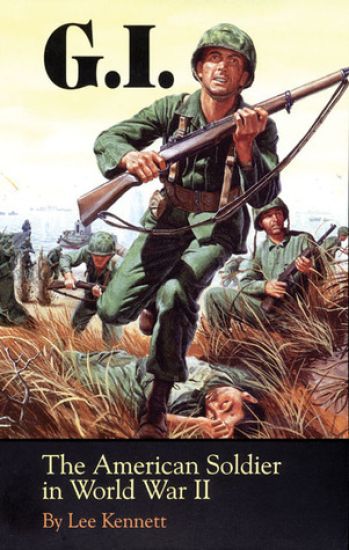
G.I.

G.I.

Lee Kennett

University of Oklahoma Press
1997
nidottu
Lee Kennett provides a vivid portrait of the American soldier, or G.I., in World War II, from his registration in the draft, training in boot camp, combat in Europe and the Pacific, and to his final role as conqueror and occupier. It is all here: the ""greetings"" from Uncle Sam; endless lines in induction centers across the country; the unfamiliar and demanding world of the training camp, with its concomitant jokes, pranks, traditions, and taboos; and the comparative largess with which the Army was outfitted and supplied. Here we witness the G.I. facing combat: the courage, the heroism, the fear, and perhaps above all, the camaraderie - the bonds of those who survived the tragic sense of loss when a comrade died. Finally, when the war was over, the G.I.'s frequently experienced clumsy, hilarious, and explosive interactions with their civilian allies and with the former enemies whose countries they now occupied.