Kirjojen hintavertailu. Mukana 12 657 676 kirjaa ja 12 kauppaa.

Kirjailija

Leib Litman

Kirjat ja teokset yhdessä paikassa: 3 kirjaa, julkaisuja vuosilta 2020-2026, suosituimpien joukossa Research in the Cloud. Vertaile teosten hintoja ja tarkista saatavuus suomalaisista kirjakaupoista.

3 kirjaa

Kirjojen julkaisuhaarukka 2020-2026.

Research in the Cloud

Research in the Cloud

Aaron J. Moss; Jonathan Robinson; Leib Litman

Cambridge University Press
2026
sidottu
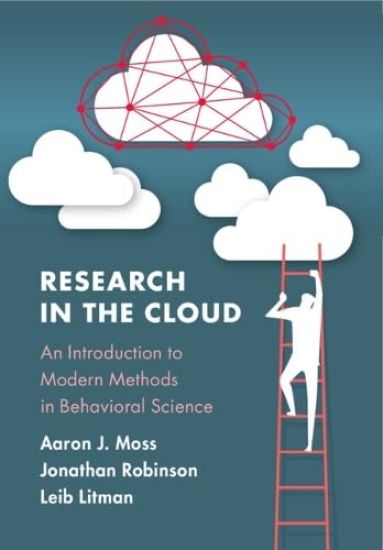
Research in the Cloud reimagines how students learn behavioral research methods by focusing on active, project-based learning. This innovative textbook is built around 'CLABs' (Classroom-Laboratory hybrids) that integrate theoretical concepts with hands-on projects, allowing students to learn by doing. It provides dozens of research activities using real data collected from over 2,500 online participants, with all materials, datasets, and analysis instructions available on the Open Science Framework. The book guides students through a four-step progression, from understanding concepts to analyzing real data, engaging in guided research, and creating their own original studies. It incorporates the latest technology, including AI tools for tasks like creating measurement scales, and modern challenges like data quality in online research. This approach helps students to develop a comprehensive portfolio of skills, from statistical analysis to conducting randomized experiments and writing up their research findings. This book is also available as Open Access on Cambridge Core.
Research in the Cloud

Research in the Cloud

Aaron J. Moss; Jonathan Robinson; Leib Litman

Cambridge University Press
2026
pokkari
Research in the Cloud reimagines how students learn behavioral research methods by focusing on active, project-based learning. This innovative textbook is built around 'CLABs' (Classroom-Laboratory hybrids) that integrate theoretical concepts with hands-on projects, allowing students to learn by doing. It provides dozens of research activities using real data collected from over 2,500 online participants, with all materials, datasets, and analysis instructions available on the Open Science Framework. The book guides students through a four-step progression, from understanding concepts to analyzing real data, engaging in guided research, and creating their own original studies. It incorporates the latest technology, including AI tools for tasks like creating measurement scales, and modern challenges like data quality in online research. This approach helps students to develop a comprehensive portfolio of skills, from statistical analysis to conducting randomized experiments and writing up their research findings. This book is also available as Open Access on Cambridge Core.
Conducting Online Research on Amazon Mechanical Turk and Beyond

Conducting Online Research on Amazon Mechanical Turk and Beyond

Leib Litman; Jonathan Robinson

SAGE Publications Inc
2020
nidottu
Conducting Online Research on Amazon Mechanical Turk® and Beyond, written by Leib Litman and Jonathan Robinson, provides both students and experienced researchers with essential information about the online platforms most often used for social science research. This insightful and accessible text answers common questions like, "How do I maintain data quality in online studies?," "What is the best way to recruit hard-to-reach samples?" and "How can researchers navigate the ethical issues that are unique to online research?" Drawing on their experiences as the founders of CloudResearch (formerly TurkPrime), the authors provide information that guides new users planning their first online studies and engages even the most experienced researchers with detailed discussions about the challenges of online research. The book begins with an overview of Amazon’s Mechanical Turk and its rapid rise within academic research. Then, the authors describe how to set up an MTurk study with screenshots that walk readers through the steps of creating an account, designing a study, collecting data, and using third-party applications to enhance MTurk’s functionality. Later chapters provide readers with a detailed understanding of the MTurk environment and use data from hundreds of thousands of participants and tens of millions of completed tasks to dive into issues like participant demographics, sources of sampling bias, and the generalizability of findings from MTurk. Finally, the book explores the benefits of using other online platforms as a complement to MTurk and the ethical issues that are unique to conducting research with online participant platforms. Throughout the book, the authors share hands-on advice and best practices, such as those for conducting longitudinal studies or carrying out complex studies. Altogether the mix of data, insight, and advice make this book an essential resource for researchers who want to understand the online environment and the most effective ways to conduct research online.